Animal-Free Brush Concepts: Keep Material and Environmental Claims Distinct
Build a custom brush brief that separates fiber composition from broader environmental positioning.
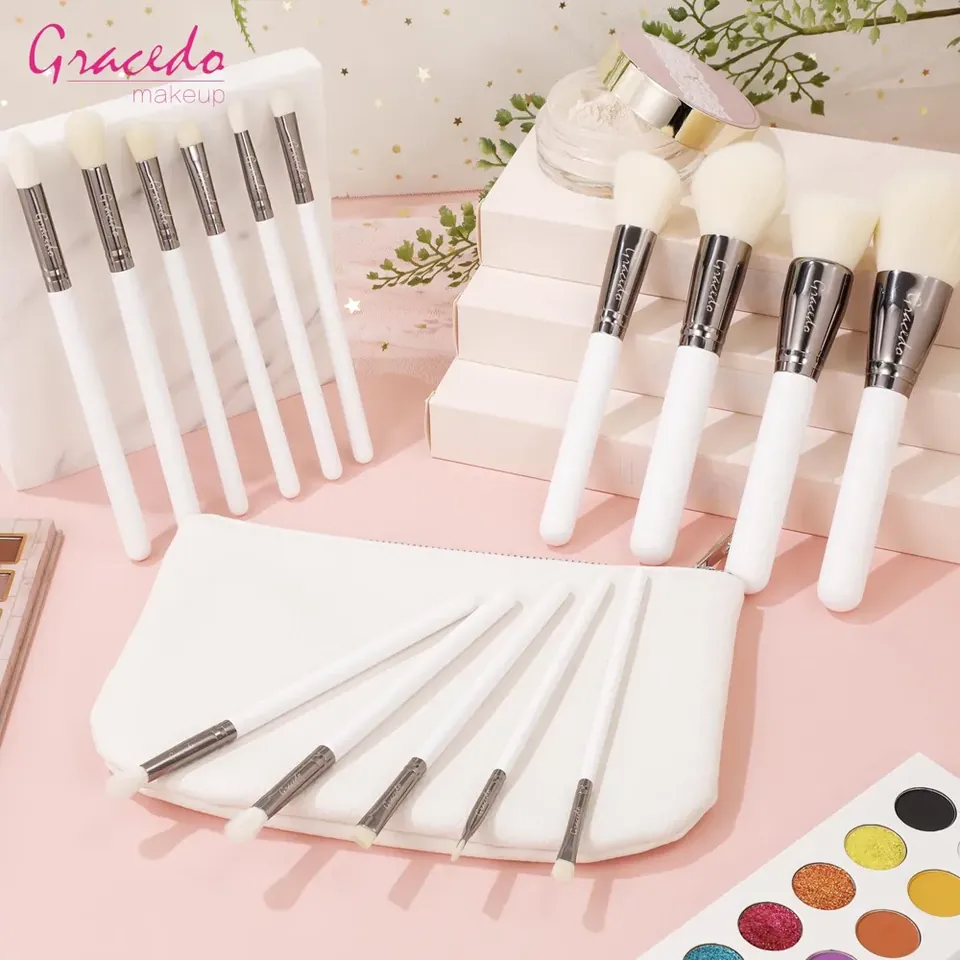
Define the composition statement
If animal-free fibers are part of your brand direction, ask what the supplier’s description covers. Request the exact fiber information for the proposed heads and clarify whether other components require separate confirmation. Avoid using a statement about one material as a description of the whole assembled brush. Keep the wording and supporting documents linked to the current sample reference.
Give the design its own review
A material preference still leaves choices about head shape, dimensions, grip and packaging. Evaluate representative samples against the intended application roles. Check whether a proposed decorative finish changes the specification or simply the appearance. Record those decisions separately from the marketing discussion so the team can choose an appropriate product without relying on an ethical label to settle functional questions.
Write carefully scoped product copy
Animal-free composition and environmental impact are different subjects. Do not treat one as automatic evidence of the other. If the collection will make additional statements about recycled content or disposal, request relevant information for those features specifically. Plan how future substitutions will trigger another wording review. Precise descriptions help preserve the intended brand message while avoiding a collection of unverified promises.
Buyer checklist
- Confirm the scope of animal-free wording.
- Review the assembled tool for its task.
- Evaluate environmental statements on separate evidence.
Our guides use documented product information and editorial research. Hands-on testing is stated only where it has actually been performed. How we work
You may also find useful
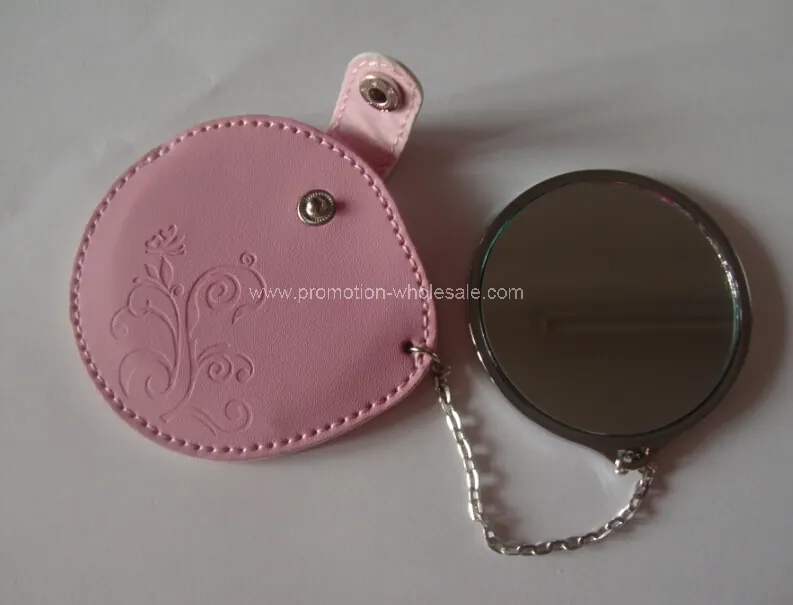
New Leather Pocket Cosmetic Mirror: a buyer’s assessment
An editorial assessment of New Leather Pocket Cosmetic Mirror, with practical questions about specifications, customisation and project fit.
Multifunctional Folding Comb with Mirror: a buyer’s assessment
An editorial assessment of Multifunctional Folding Comb with Mirror, with practical questions about specifications, customisation and project fit.
Custom Brush MOQs: Ask Which Choice Sets the Minimum
Understand quotation assumptions at component and variant level before committing to a custom brush order.
Use Supplier Design Support to Resolve Brush Tradeoffs
Technical support is most valuable when it helps a buyer decide between specific alternatives. A broad request for an innovative brush gives little direction.
Comments
No comments yet. Add a useful question or share your perspective.