Beauty Exhibitions and Local Markets: Ask Questions Before Assuming Demand
Use regional trade-show inspiration to develop a research brief rather than repeat unsupported market predictions.

Separate interest from demand
A busy beauty exhibition can reveal product ideas and supplier contacts, but it does not establish how a particular brush range will sell. Record what caught your attention and why it may fit your customers. Keep observations about display activity separate from actual business data. Avoid using a trade-show appearance as evidence that a product is already popular or commercially proven in your market.
Turn observations into questions
Ask which application routines, retail formats and product explanations your intended customers need. Compare a small selection of samples against those questions. If an item appears unfamiliar, consider whether clearer instructions or a different assortment would be required. Do not assume that every design shown at a regional event reflects a single shared preference among the people who live there.
Build a measured follow-up
Request product details and quotations for the designs that remain relevant after review. Keep sample feedback, unanswered questions and commercial assumptions in one place. Use information from your own business to decide whether a proposed range merits a launch. An exhibition can start a useful sourcing conversation without becoming a substitute for a product decision grounded in your actual customers and operations.
Buyer checklist
- Record observations without claiming proven demand.
- Define questions about your own customers.
- Follow up on a small, relevant sample group.
Our guides use documented product information and editorial research. Hands-on testing is stated only where it has actually been performed. How we work
You may also find useful
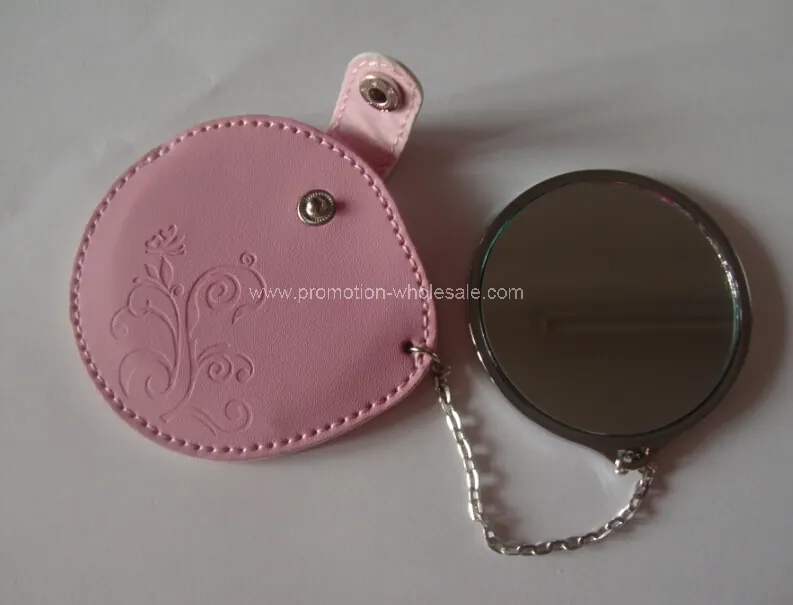
New Leather Pocket Cosmetic Mirror: a buyer’s assessment
An editorial assessment of New Leather Pocket Cosmetic Mirror, with practical questions about specifications, customisation and project fit.

Multifunctional Folding Comb with Mirror: a buyer’s assessment
An editorial assessment of Multifunctional Folding Comb with Mirror, with practical questions about specifications, customisation and project fit.
Custom Brush MOQs: Ask Which Choice Sets the Minimum
Understand quotation assumptions at component and variant level before committing to a custom brush order.
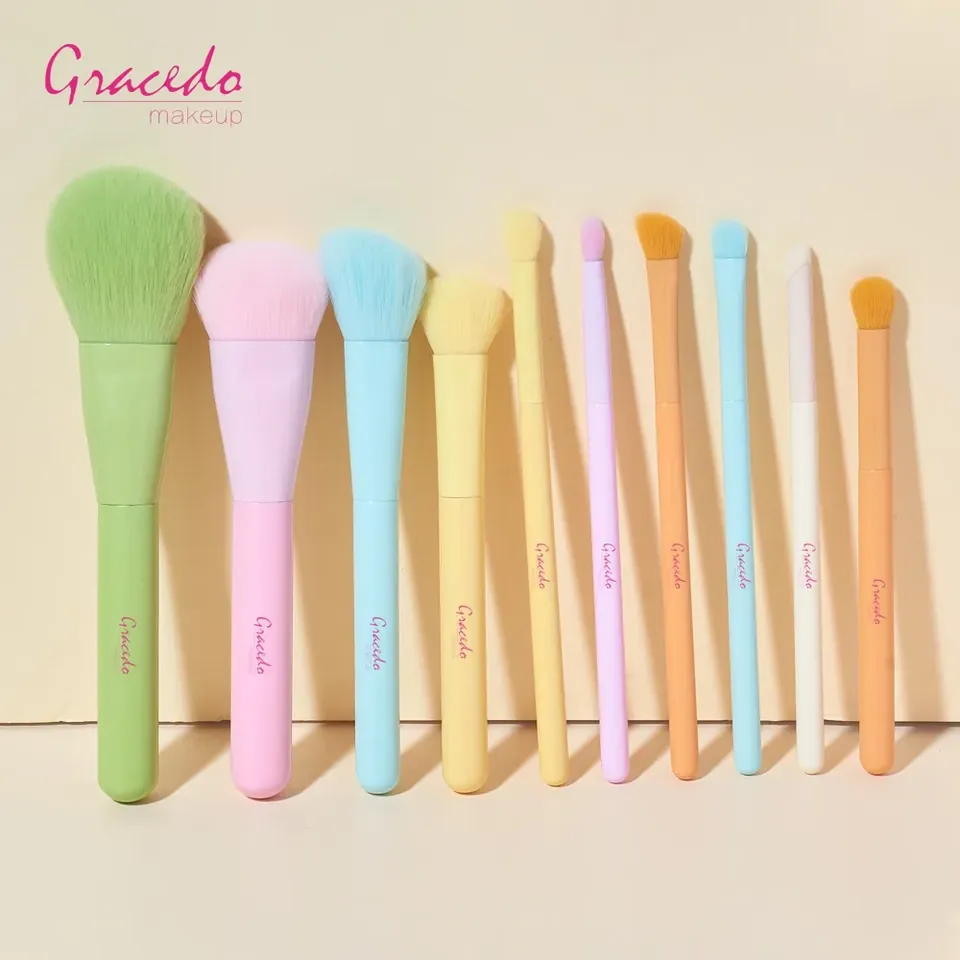
Use Supplier Design Support to Resolve Brush Tradeoffs
Technical support is most valuable when it helps a buyer decide between specific alternatives. A broad request for an innovative brush gives little direction.
Comments
No comments yet. Add a useful question or share your perspective.