Bronzer and Highlighter Brushes: Compare Scale and Placement
Bronzer and highlighter applications often call for different contact areas. Buyers should compare the actual head structures instead of assuming the product names define them.
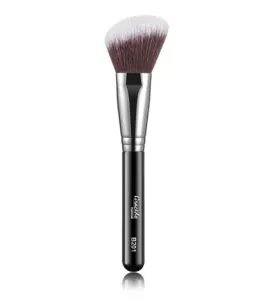
Bronzer and highlighter applications often call for different contact areas. Buyers should compare the actual head structures instead of assuming the product names define them.
Choose the intended area of application
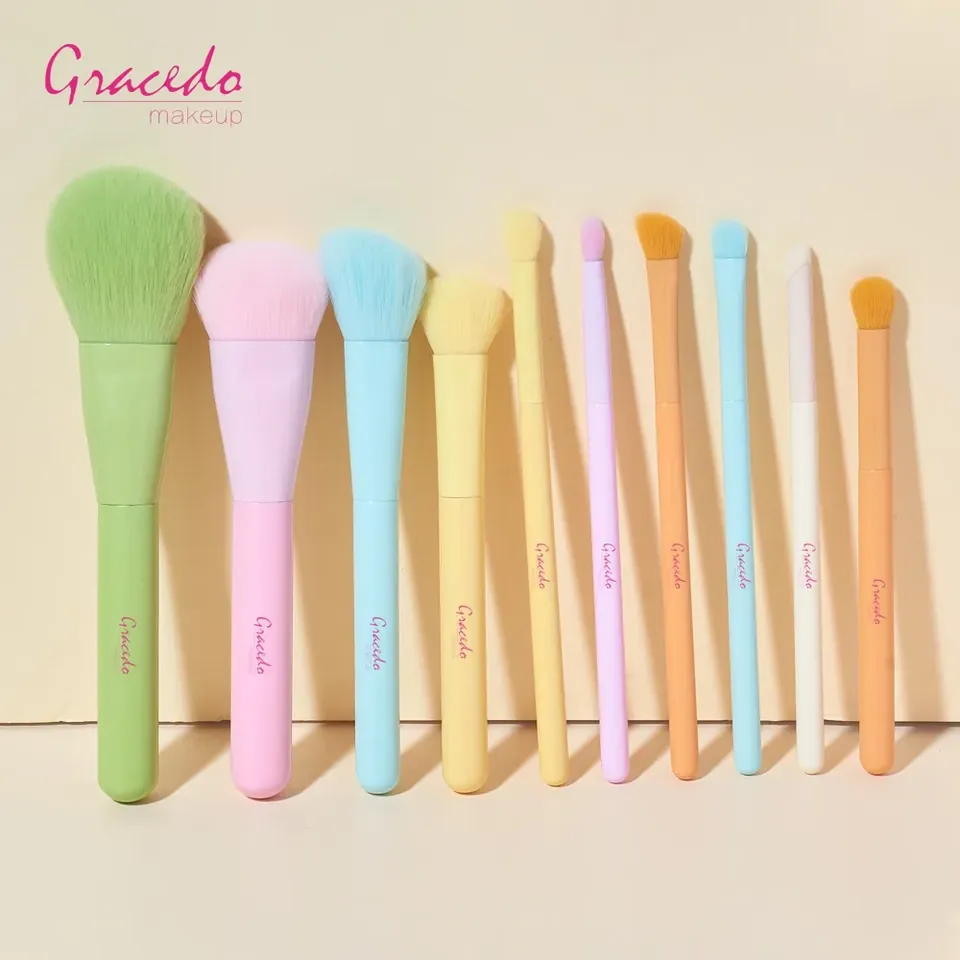
A broader head may support diffuse placement over larger areas, while a smaller tapered head can offer more localized contact. Confirm the use the supplier intends for each model. The useful distinction is the working footprint and control, not simply whether the handle is labeled bronzer or highlighter.
Compare geometry with the formula
Request head width, exposed fiber length and material declarations. Evaluate the samples with representative textures from the intended range using a consistent method. Density alone is not a universal quality measure: an airy powder head and compact placement head are different design choices that need different evaluation criteria.
Make the pair understandable
If both brushes are sold together, use identifiers and illustrations that show their separate roles. Check the head protection inside the final pack and inspect shape after the stated care routine. Avoid guaranteeing one finish for all products. Keep the approved geometry and packaging map so a repeat order retains the same practical distinction.
Before approving the order
- Define the intended contact area.
- Compare actual heads with supported formulas.
- Explain each role clearly in the pack.
Our guides use documented product information and editorial research. Hands-on testing is stated only where it has actually been performed. How we work
You may also find useful
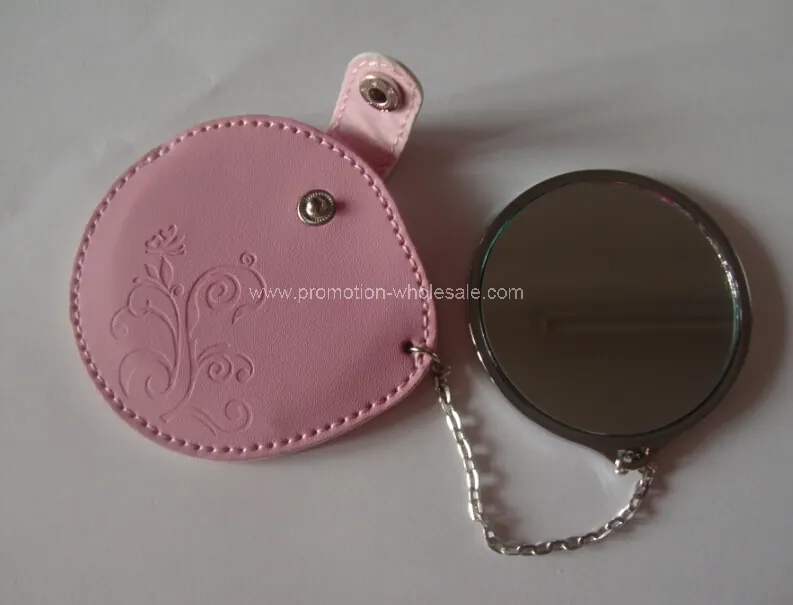
New Leather Pocket Cosmetic Mirror: a buyer’s assessment
An editorial assessment of New Leather Pocket Cosmetic Mirror, with practical questions about specifications, customisation and project fit.
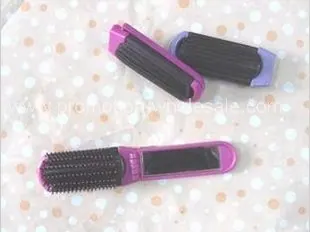
Multifunctional Folding Comb with Mirror: a buyer’s assessment
An editorial assessment of Multifunctional Folding Comb with Mirror, with practical questions about specifications, customisation and project fit.
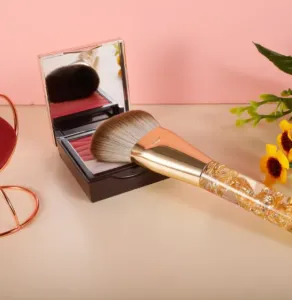
Custom Brush MOQs: Ask Which Choice Sets the Minimum
Understand quotation assumptions at component and variant level before committing to a custom brush order.
Use Supplier Design Support to Resolve Brush Tradeoffs
Technical support is most valuable when it helps a buyer decide between specific alternatives. A broad request for an innovative brush gives little direction.
Comments
No comments yet. Add a useful question or share your perspective.