Brush Bag Durability: Inspect the Seams and Closures
A brush bag’s working life depends on more than its outer material. Inspect the places that move, carry weight and come into contact with the tools.
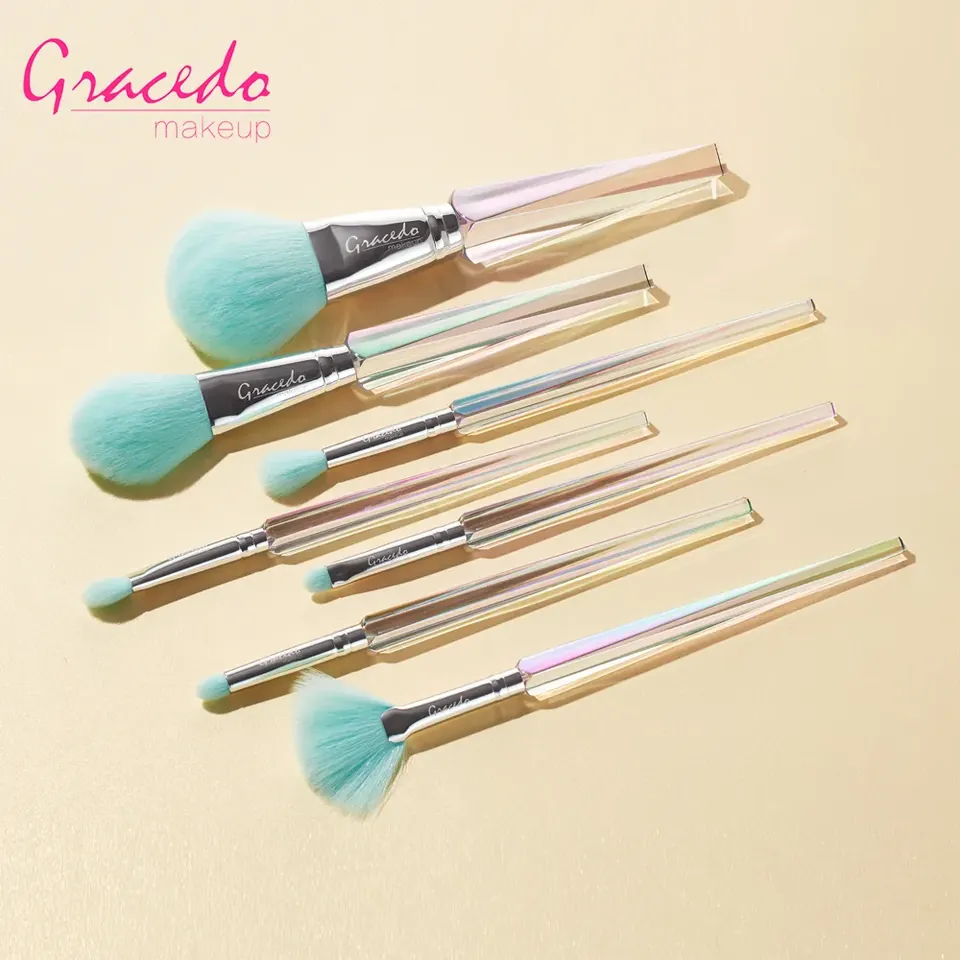
A brush bag’s working life depends on more than its outer material. Inspect the places that move, carry weight and come into contact with the tools.
Use a realistic load
Fill the sample with the intended assortment and follow its normal opening, carrying and closing routine. Check whether handles press against seams or brush heads distort the bag. Record the load and method so the supplier can reproduce the comparison. An empty bag cannot demonstrate how the completed set will behave.
Inspect construction details separately
Look at seam ends, pocket openings, zip attachments and any strap connections. Note skipped stitching, rough edges or closure misalignment without assuming every visible irregularity has the same importance. Ask for the actual material, lining and hardware specifications, because similar-looking bags may use different components beneath the exterior finish.
Agree on acceptance before shipment
Define which defects affect function and which are cosmetic. Request an inspection record connected to the approved sample and packing format. If the bag carries a logo, include its placement and appearance as a separate check. This gives both parties a useful basis for discussing a delivery problem rather than debating whether the bag feels premium.
Before approving the order
- Test the intended filled configuration.
- Check stress points and hardware.
- Agree on functional and cosmetic defect categories.
Our guides use documented product information and editorial research. Hands-on testing is stated only where it has actually been performed. How we work
You may also find useful
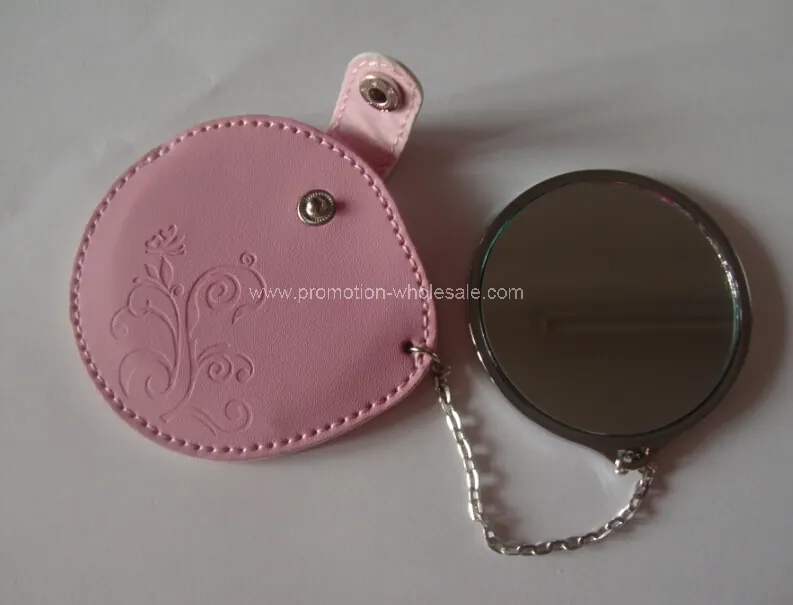
New Leather Pocket Cosmetic Mirror: a buyer’s assessment
An editorial assessment of New Leather Pocket Cosmetic Mirror, with practical questions about specifications, customisation and project fit.

Multifunctional Folding Comb with Mirror: a buyer’s assessment
An editorial assessment of Multifunctional Folding Comb with Mirror, with practical questions about specifications, customisation and project fit.
Custom Brush MOQs: Ask Which Choice Sets the Minimum
Understand quotation assumptions at component and variant level before committing to a custom brush order.
Use Supplier Design Support to Resolve Brush Tradeoffs
Technical support is most valuable when it helps a buyer decide between specific alternatives. A broad request for an innovative brush gives little direction.
Comments
No comments yet. Add a useful question or share your perspective.