Brush Ferrule Crimping: Agree on the Finished Assembly
Use assembly questions to strengthen your brush specification without assuming a process name guarantees durability.
Start with the join you will receive
A brush assembly connects the head, ferrule and handle, so those parts need to be reviewed together. Ask the supplier to describe the construction of the selected model and provide a representative sample. Keep dimensions and material details linked to that reference. The number or appearance of visible crimps alone does not describe the entire assembly or establish its service life.
Ask how the reference is maintained
Request an explanation of how the approved assembly is recorded and how changes are proposed. If the supplier offers assessment results, confirm which design and conditions they cover. Do not translate a manufacturing term into an unsupported promise about shedding or permanent stability. A useful discussion focuses on the product being ordered and the evidence available for its claimed properties.
Prepare a clear receiving record
Photograph the approved connection from useful angles and note visible alignment and finishing expectations. Agree how the purchasing team should document an apparent discrepancy in arriving stock. Keep artwork and decorative approvals separate from the construction reference. If the handle or head changes later, review the assembled sample again instead of assuming the original ferrule discussion covers a different combination of parts.
Buyer checklist
- Review the complete head-to-handle assembly.
- Link process information to the selected model.
- Retain photographs of the approved connection.
Our guides use documented product information and editorial research. Hands-on testing is stated only where it has actually been performed. How we work
You may also find useful
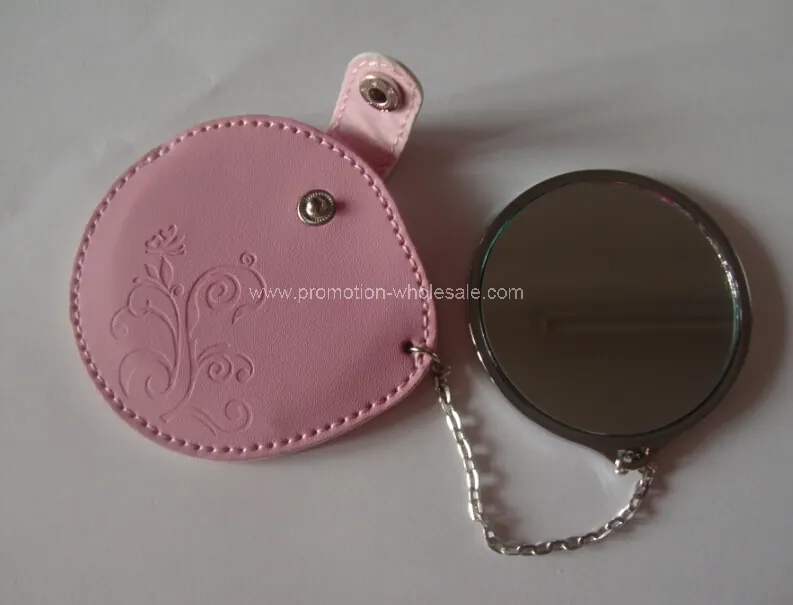
New Leather Pocket Cosmetic Mirror: a buyer’s assessment
An editorial assessment of New Leather Pocket Cosmetic Mirror, with practical questions about specifications, customisation and project fit.
Multifunctional Folding Comb with Mirror: a buyer’s assessment
An editorial assessment of Multifunctional Folding Comb with Mirror, with practical questions about specifications, customisation and project fit.
Custom Brush MOQs: Ask Which Choice Sets the Minimum
Understand quotation assumptions at component and variant level before committing to a custom brush order.
Use Supplier Design Support to Resolve Brush Tradeoffs
Technical support is most valuable when it helps a buyer decide between specific alternatives. A broad request for an innovative brush gives little direction.
Comments
No comments yet. Add a useful question or share your perspective.