Brush Holder Design: Manage Moisture Without Overstating Protection
Storage design should help users keep tools organized and follow proper drying instructions. Material names alone do not prove resistance to mold or every cleaner.

Storage design should help users keep tools organized and follow proper drying instructions. Material names alone do not prove resistance to mold or every cleaner.
Review the airflow and layout
Ask how the holder is intended to be used and whether it is designed for dry tools only. Openings, mesh panels or separable compartments may affect ventilation, but their presence is not a guarantee against moisture problems.
Check that brushes can be positioned without crushing the heads and that users can reach the interior for the stated cleaning routine.
Request complete material information
For a soft holder, ask about outer material, lining, coatings and adhesives. For a rigid case, confirm the actual plastic specification rather than accepting a general comparison between ABS and PP.
Cleaning compatibility depends on the finished construction and the cleaner involved. Avoid claiming one polymer is always suitable for chemical cleaning without supporting information.
Review treated-material claims carefully
If an anti-mildew treatment is proposed, request its identity, claim support and any applicable labeling requirements. The finished product still needs clear care and drying instructions. Keep those instructions consistent with the design so that a closed holder is not presented as a suitable way to store tools in any condition.
Before approving the order
- Check access and intended drying conditions.
- Confirm coatings and linings as well as base material.
- Substantiate treatment claims before publication.
Our guides use documented product information and editorial research. Hands-on testing is stated only where it has actually been performed. How we work
You may also find useful
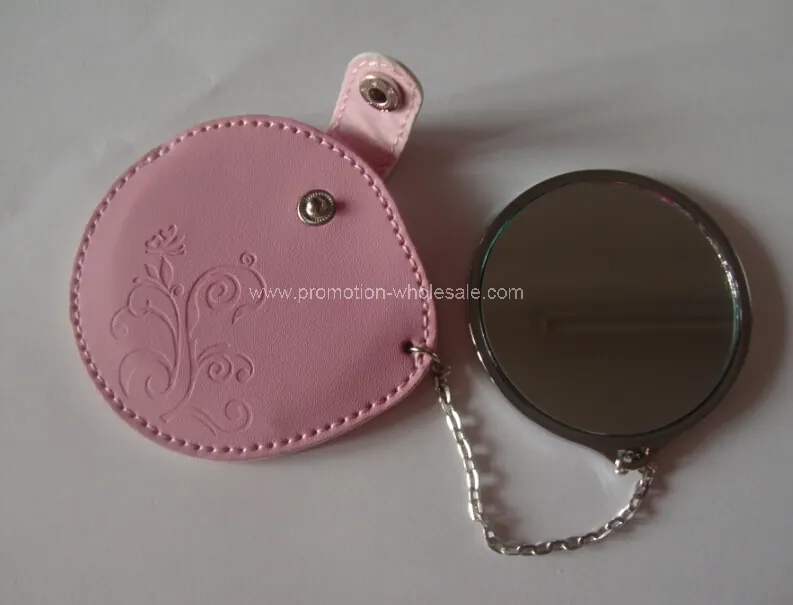
New Leather Pocket Cosmetic Mirror: a buyer’s assessment
An editorial assessment of New Leather Pocket Cosmetic Mirror, with practical questions about specifications, customisation and project fit.

Multifunctional Folding Comb with Mirror: a buyer’s assessment
An editorial assessment of Multifunctional Folding Comb with Mirror, with practical questions about specifications, customisation and project fit.
Custom Brush MOQs: Ask Which Choice Sets the Minimum
Understand quotation assumptions at component and variant level before committing to a custom brush order.
Use Supplier Design Support to Resolve Brush Tradeoffs
Technical support is most valuable when it helps a buyer decide between specific alternatives. A broad request for an innovative brush gives little direction.
Comments
No comments yet. Add a useful question or share your perspective.