Brush Supplier Selection: Compare Answers Instead of Superlatives
Create a short, evidence-based supplier comparison that stays focused on the products you intend to buy.
Replace broad claims with questions
Supplier introductions often emphasize innovation, quality and experience. Turn those themes into questions about your proposed order. Ask how a head specification is recorded, who approves a change and what documentation accompanies the chosen materials. The goal is not to collect the longest list of claims; it is to understand whether the supplier can answer the questions your project actually creates.
Score the clarity of the proposal
Use a comparison sheet that separates confirmed details, sample observations and unresolved issues. Request matching product information from each candidate. If one response is vague, ask for clarification rather than filling in the gaps from another supplier’s catalog. Keep the decision attached to specific designs and commercial assumptions so the team can explain why one proposal is more suitable.
Test the working relationship through a sample stage
Observe how feedback is received and how revised details are documented. Clear communication during a small development step can reveal how the project may be managed later. It is still not a guarantee of future results. Retain the approved sample and record the final commitments in writing before moving from selection into an order.
Buyer checklist
- Convert claims into order-specific questions.
- Mark confirmed and unresolved details separately.
- Keep the final decision linked to documented terms.
Our guides use documented product information and editorial research. Hands-on testing is stated only where it has actually been performed. How we work
You may also find useful
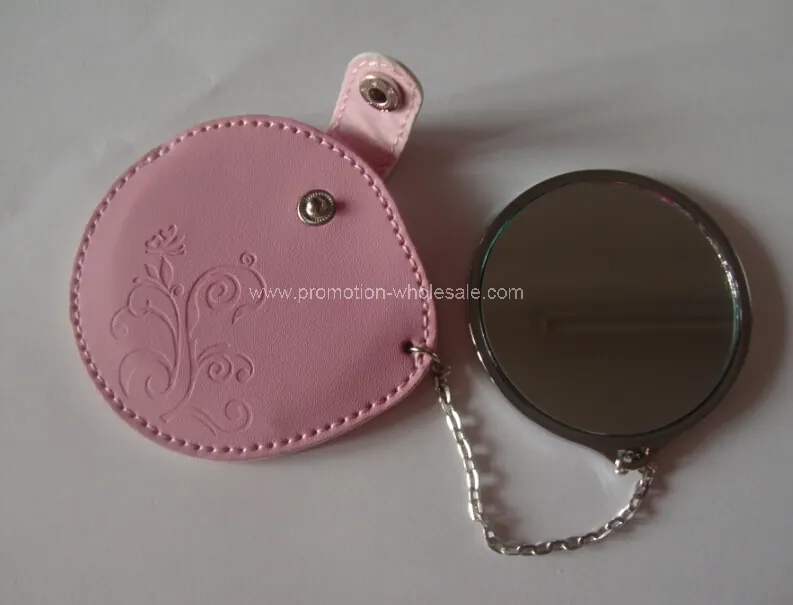
New Leather Pocket Cosmetic Mirror: a buyer’s assessment
An editorial assessment of New Leather Pocket Cosmetic Mirror, with practical questions about specifications, customisation and project fit.
Multifunctional Folding Comb with Mirror: a buyer’s assessment
An editorial assessment of Multifunctional Folding Comb with Mirror, with practical questions about specifications, customisation and project fit.
Custom Brush MOQs: Ask Which Choice Sets the Minimum
Understand quotation assumptions at component and variant level before committing to a custom brush order.
Use Supplier Design Support to Resolve Brush Tradeoffs
Technical support is most valuable when it helps a buyer decide between specific alternatives. A broad request for an innovative brush gives little direction.
Comments
No comments yet. Add a useful question or share your perspective.