Building a Beauty Tool Range in Manageable Stages
A staged assortment can protect development time and inventory. Each new tool should earn its place through a defined customer task and a workable replenishment plan.
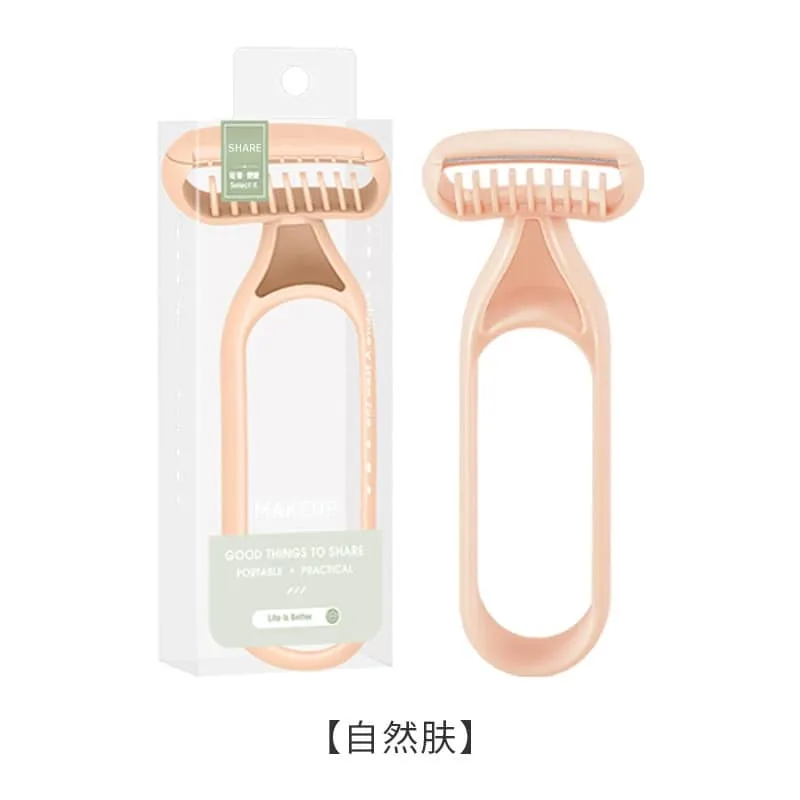
A staged assortment can protect development time and inventory. Each new tool should earn its place through a defined customer task and a workable replenishment plan.
Establish a coherent first range
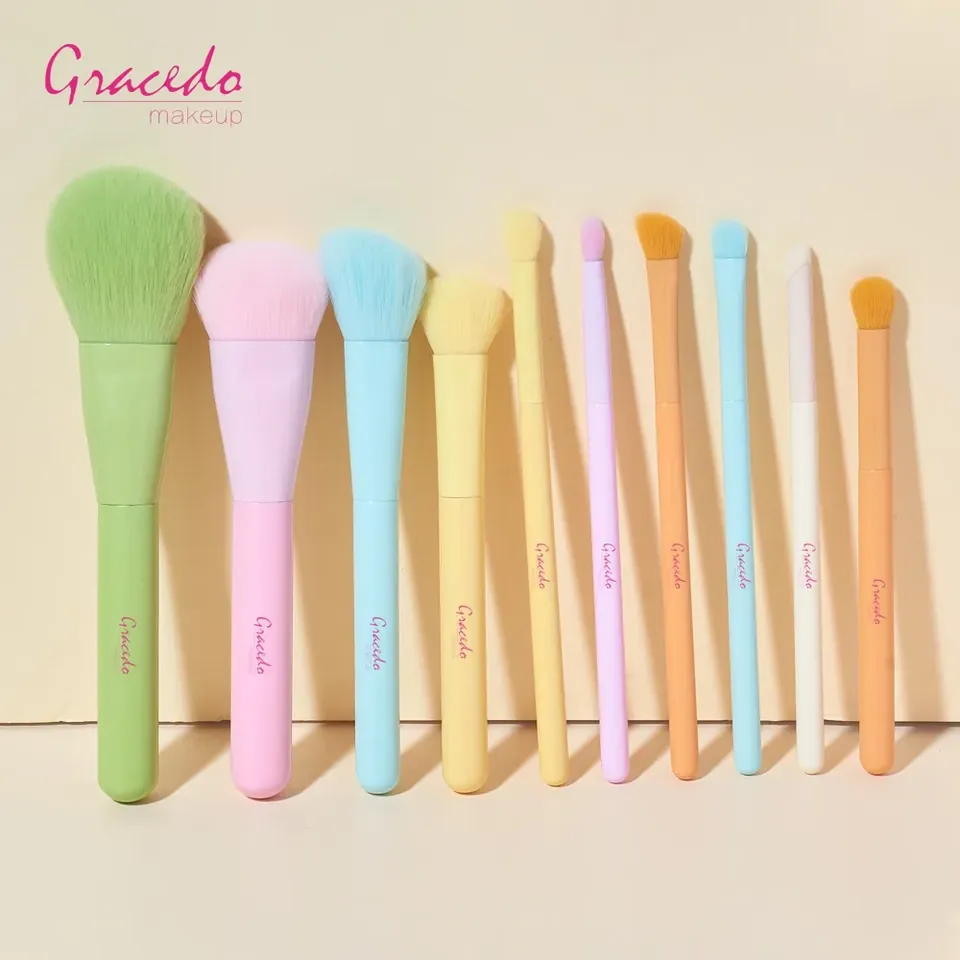
Start by mapping essential face and eye tasks to a small number of tools. A foundation head, powder brush, cheek shape, blending brush and detail tool are possible categories, not a mandatory universal set.
Choose the group that fits the intended customer and sales channel. Avoid adopting an exact launch timetable or sales forecast from another brand’s roadmap.
Add specialist tools where they solve a gap
Later additions might support specific textures, travel or precision work. Before developing them, ask how they complement the original assortment and whether they need new instructions or packaging.
Existing molds can reduce the scope of an initial development project, while a new mold introduces separate design, ownership and maintenance questions. Neither option automatically creates exclusive intellectual property.
Plan care and storage as part of the range
A brush case or cleaning accessory can extend the assortment when its dimensions and instructions match the tools already sold. Maintain a common identification system so that additions remain easy to understand and reorder. Set decision gates around approved samples, demand evidence and inventory capacity rather than launching every category at once.
Before approving the order
- Give every proposed item a defined role.
- Clarify mold costs and ownership.
- Use approval gates before expanding the range.
Our guides use documented product information and editorial research. Hands-on testing is stated only where it has actually been performed. How we work
You may also find useful
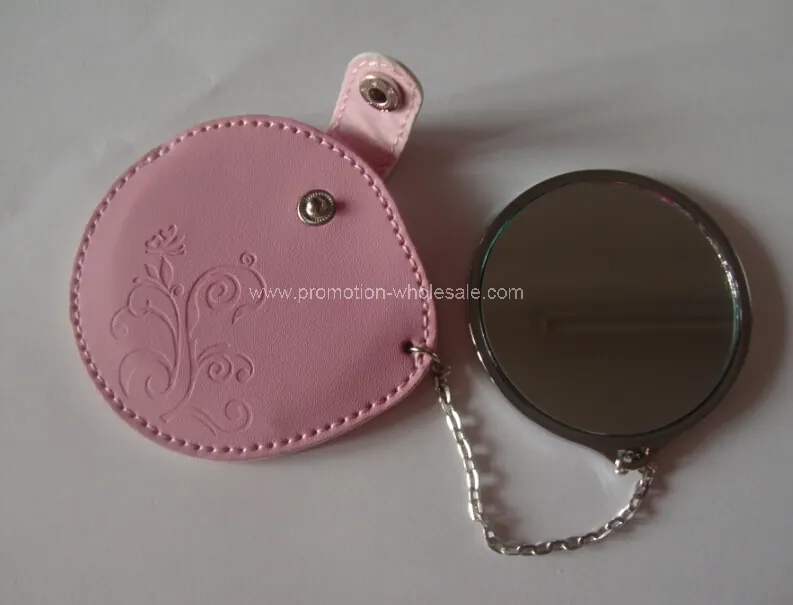
New Leather Pocket Cosmetic Mirror: a buyer’s assessment
An editorial assessment of New Leather Pocket Cosmetic Mirror, with practical questions about specifications, customisation and project fit.
Multifunctional Folding Comb with Mirror: a buyer’s assessment
An editorial assessment of Multifunctional Folding Comb with Mirror, with practical questions about specifications, customisation and project fit.
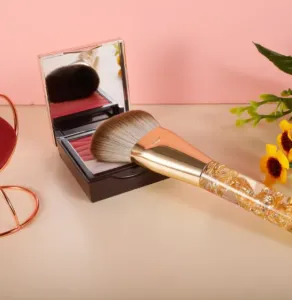
Custom Brush MOQs: Ask Which Choice Sets the Minimum
Understand quotation assumptions at component and variant level before committing to a custom brush order.
Use Supplier Design Support to Resolve Brush Tradeoffs
Technical support is most valuable when it helps a buyer decide between specific alternatives. A broad request for an innovative brush gives little direction.
Comments
No comments yet. Add a useful question or share your perspective.