Building Trust in a Private Label Brush Range
Brand value depends on a consistent product and accurate communication. A custom logo is useful, but the supporting specification and claims matter just as much.

Brand value depends on a consistent product and accurate communication. A custom logo is useful, but the supporting specification and claims matter just as much.
Make the product recognizable for a reason
Choose a small set of features that serve the intended customer: an understandable assortment, readable identifiers or a useful storage format. Coordinate appearance around those functions.
A brush need not introduce a new material to feel coherent. Consistent proportions and clear packaging can help customers understand a range and choose replacements.
Match claims to evidence
If the brand intends to describe fibers as vegan, wood as responsibly sourced or packaging as environmentally preferable, request supporting information with the relevant scope. Do not infer one claim from another.
Keep supplier certificates and product documentation distinguishable. A factory-level system or audit does not automatically substantiate every statement placed on a retail box.
Protect consistency after the first order
Retain the approved set and document each model’s materials, dimensions and finish. Agree on notification before substitutions and a procedure for investigating defects. Review customer feedback against those records. This gives the brand a factual basis for improvements and keeps marketing promises connected to what the customer actually receives.
Before approving the order
- Choose practical points of distinction.
- Verify each proposed claim.
- Control substitutions and review repeat-order consistency.
Our guides use documented product information and editorial research. Hands-on testing is stated only where it has actually been performed. How we work
You may also find useful
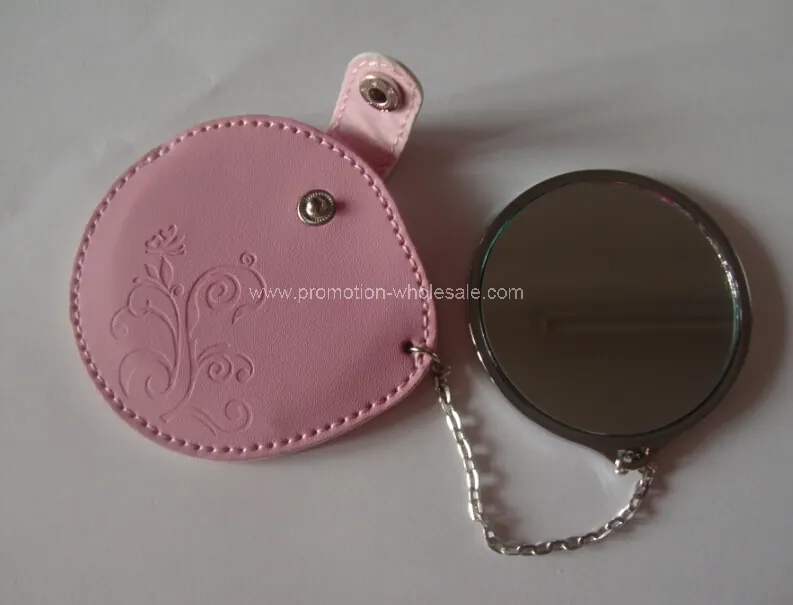
New Leather Pocket Cosmetic Mirror: a buyer’s assessment
An editorial assessment of New Leather Pocket Cosmetic Mirror, with practical questions about specifications, customisation and project fit.
Multifunctional Folding Comb with Mirror: a buyer’s assessment
An editorial assessment of Multifunctional Folding Comb with Mirror, with practical questions about specifications, customisation and project fit.
Custom Brush MOQs: Ask Which Choice Sets the Minimum
Understand quotation assumptions at component and variant level before committing to a custom brush order.
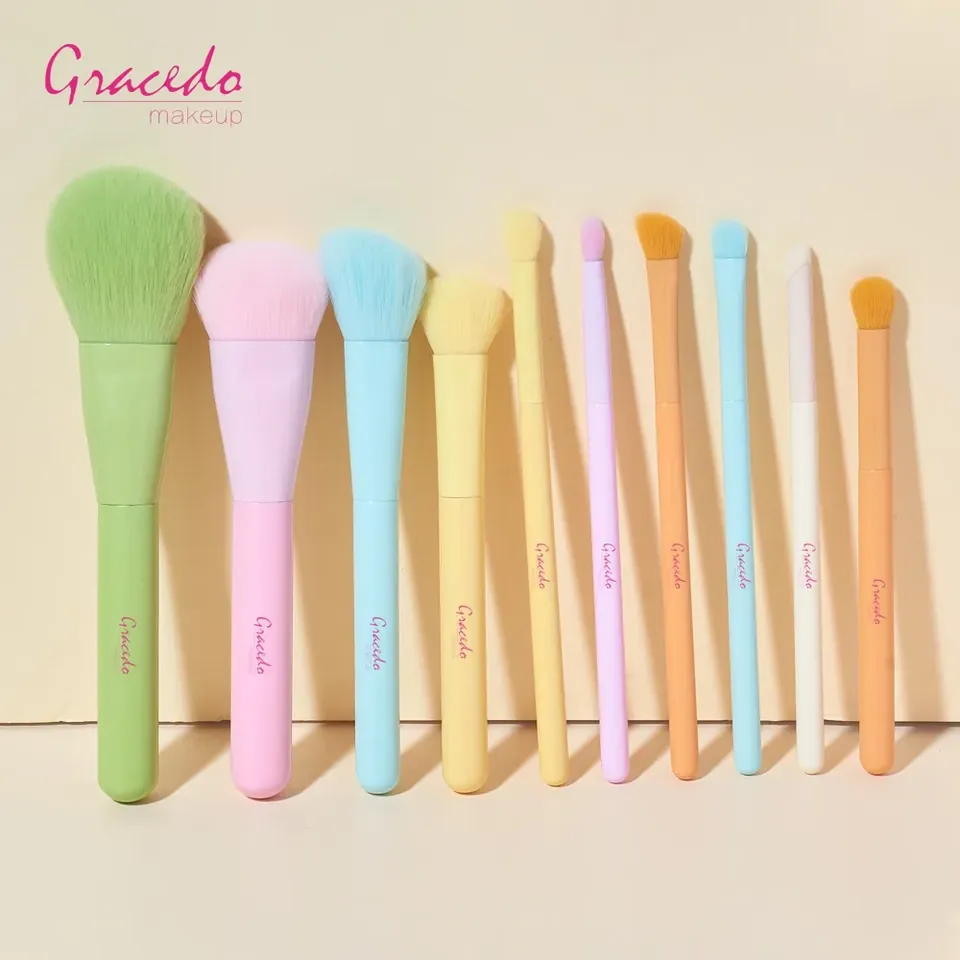
Use Supplier Design Support to Resolve Brush Tradeoffs
Technical support is most valuable when it helps a buyer decide between specific alternatives. A broad request for an innovative brush gives little direction.
Comments
No comments yet. Add a useful question or share your perspective.