Choosing Primer Applicators Without Unsupported Skin Claims
Primer tools should be matched to handling and formula compatibility. Their material or surface finish does not establish a treatment benefit.
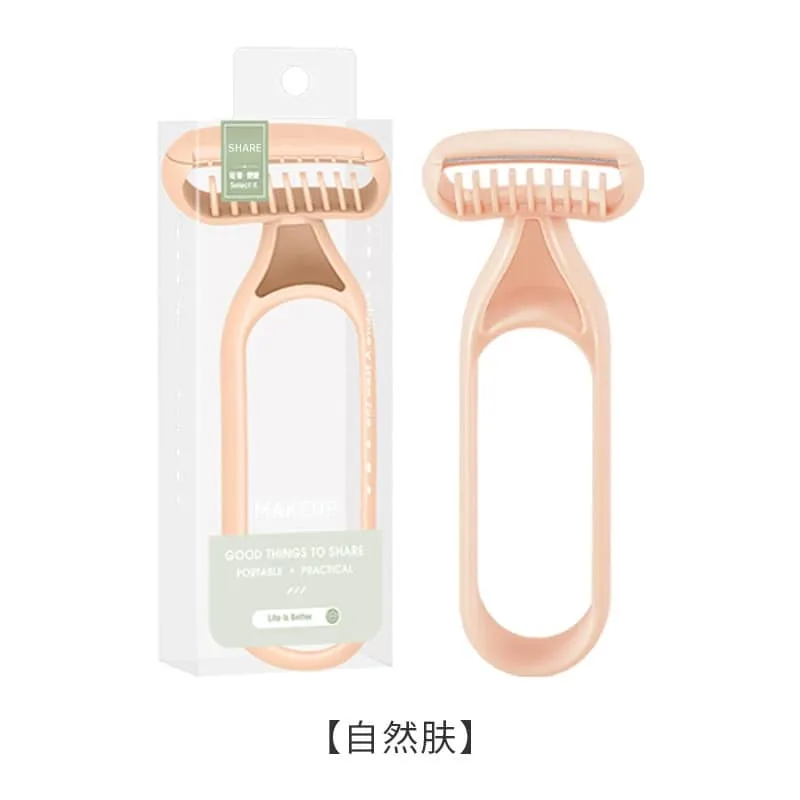
Primer tools should be matched to handling and formula compatibility. Their material or surface finish does not establish a treatment benefit.
Compare how the formula moves
A silicone paddle, brush and sponge present different contact surfaces. Evaluate the intended primer with each proposed applicator using a consistent amount and method. Record whether the tool spreads the product evenly and reaches the desired areas comfortably.
Avoid assuming that every primer behaves alike. A fluid texture and a thicker gripping formula may call for different application instructions.
Review material and surface details
For a silicone tool, ask about the actual material specification, edge finish and care instructions. Compare smooth and textured samples rather than accepting a claim that texture necessarily improves performance.
Metal heads may feel cool initially, but that sensation is not proof of de-puffing, therapeutic action or a lasting cooling effect. Any consumer claim needs its own appropriate support.
Keep the retail explanation practical
Describe what the tool is and how the supplier instructs the user to handle and clean it. Confirm compatibility with the intended formula and packaging. If the tool is bundled with a primer, approve the pair together so that product instructions and applicator instructions do not contradict one another.
Before approving the order
- Compare with the actual primer texture.
- Inspect contact edges and cleaning guidance.
- Keep cosmetic claims within the available evidence.
Our guides use documented product information and editorial research. Hands-on testing is stated only where it has actually been performed. How we work
You may also find useful
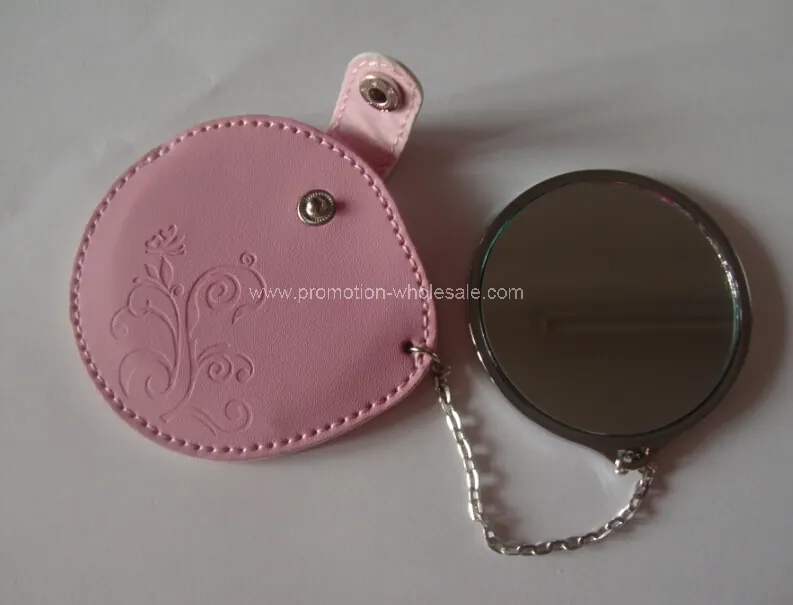
New Leather Pocket Cosmetic Mirror: a buyer’s assessment
An editorial assessment of New Leather Pocket Cosmetic Mirror, with practical questions about specifications, customisation and project fit.
Multifunctional Folding Comb with Mirror: a buyer’s assessment
An editorial assessment of Multifunctional Folding Comb with Mirror, with practical questions about specifications, customisation and project fit.
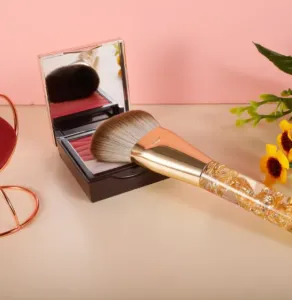
Custom Brush MOQs: Ask Which Choice Sets the Minimum
Understand quotation assumptions at component and variant level before committing to a custom brush order.
Use Supplier Design Support to Resolve Brush Tradeoffs
Technical support is most valuable when it helps a buyer decide between specific alternatives. A broad request for an innovative brush gives little direction.
Comments
No comments yet. Add a useful question or share your perspective.