Custom Brush Set Identity: Keep the Useful Differences Visible
Coordinate a collection while allowing every brush to communicate its own application role.
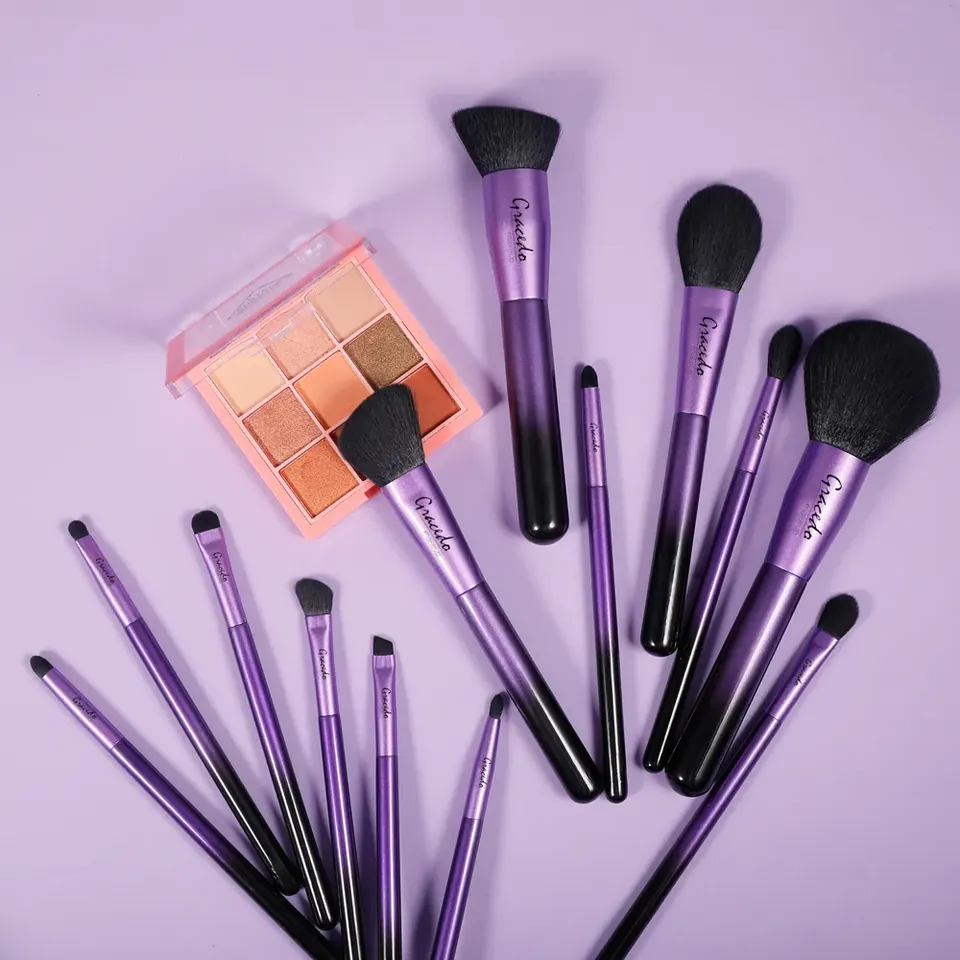
Choose a shared design language
Decide which elements should connect the set, such as color references, typography or a storage format. Keep those choices separate from the functional differences between the heads. Identical proportions are not always necessary for a coherent collection. Ask suppliers to show how the visual idea works across the actual handle sizes rather than presenting only a single idealized rendering.
Make each piece understandable
Give every brush a clear role name and model reference. Review labels and diagrams at real printed size and ask someone unfamiliar with the range to match them to the tools. Keep material descriptions and care information tied to the approved constructions. A coordinated appearance should not make the individual pieces so similar that staff or customers struggle to identify the one they need.
Plan how the set will grow
Keep the current specifications, artwork and packing layout together. Define how a new piece would join the naming and visual system without forcing existing products to change unnecessarily. Review each proposed addition for useful differentiation. A clear collection identity supports practical choices when it helps people understand the range, rather than relying on a large count or an increasingly complicated decorative story.
Buyer checklist
- Separate shared styling from functional proportions.
- Check identification with an unfamiliar reader.
- Use clear rules for future additions.
Our guides use documented product information and editorial research. Hands-on testing is stated only where it has actually been performed. How we work
You may also find useful
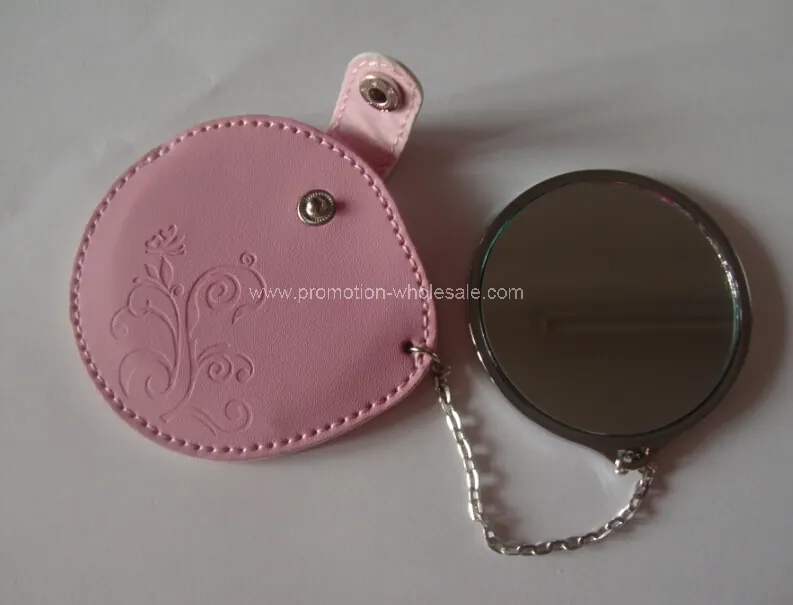
New Leather Pocket Cosmetic Mirror: a buyer’s assessment
An editorial assessment of New Leather Pocket Cosmetic Mirror, with practical questions about specifications, customisation and project fit.

Multifunctional Folding Comb with Mirror: a buyer’s assessment
An editorial assessment of Multifunctional Folding Comb with Mirror, with practical questions about specifications, customisation and project fit.
Custom Brush MOQs: Ask Which Choice Sets the Minimum
Understand quotation assumptions at component and variant level before committing to a custom brush order.
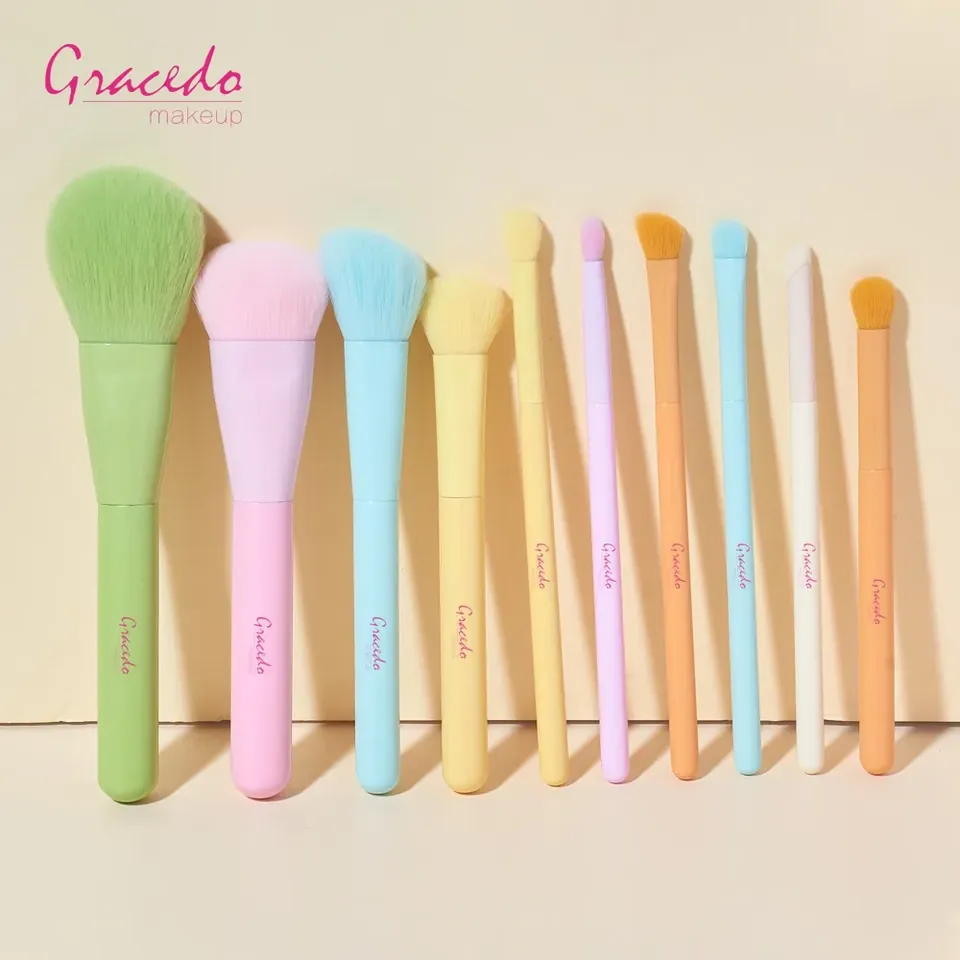
Use Supplier Design Support to Resolve Brush Tradeoffs
Technical support is most valuable when it helps a buyer decide between specific alternatives. A broad request for an innovative brush gives little direction.
Comments
No comments yet. Add a useful question or share your perspective.