Custom Cosmetic Brushes: Turn a Brand Idea into a Product Brief
Translate a visual concept into specific brush, artwork and packaging decisions for a manageable development process.
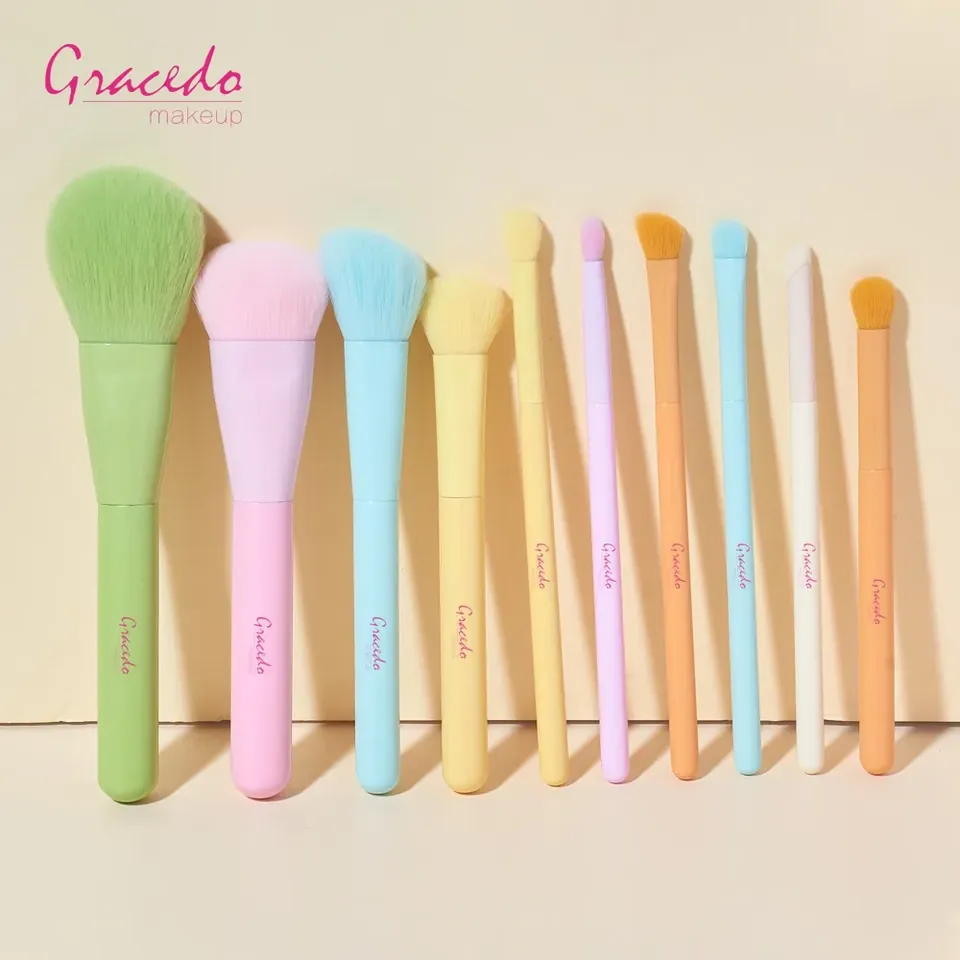
Write the collection idea in product terms
A mood board can establish a direction, but it does not define a brush. Translate the concept into product roles, head shapes, handle proportions and the desired retail format. Distinguish essential requirements from preferences that can change after sample review. This gives suppliers room to propose workable options while preserving the elements that matter most to your brand.
Separate identity from composition claims
Color and decoration can be approved visually; statements about materials need written product information. If your concept includes animal-free fibers or a particular handle composition, request confirmation for the selected design. Avoid treating a natural-looking finish as evidence of environmental performance. Keep proposed claims in a separate review list so they do not slip into packaging before supporting information is available.
Limit changes between sample stages
Consolidate feedback from marketing, purchasing and product users before requesting revisions. Give each new version a reference and explain which changes it should contain. Review the result against the previous sample rather than against an evolving mental picture. A controlled sequence helps the team see whether a decorative improvement has affected balance, labeling space or packing fit.
Buyer checklist
- Define non-negotiable product requirements.
- Review material claims separately from aesthetics.
- Send one consolidated revision brief per sample.
Our guides use documented product information and editorial research. Hands-on testing is stated only where it has actually been performed. How we work
You may also find useful
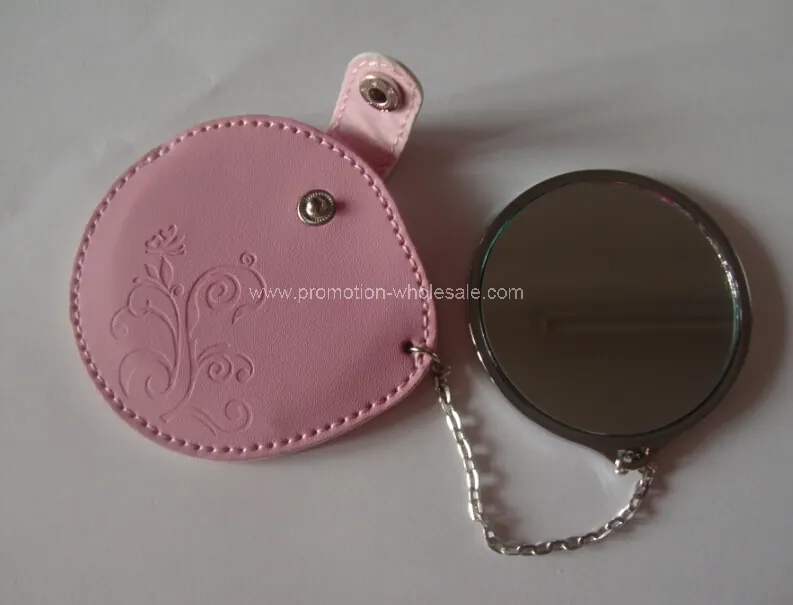
New Leather Pocket Cosmetic Mirror: a buyer’s assessment
An editorial assessment of New Leather Pocket Cosmetic Mirror, with practical questions about specifications, customisation and project fit.
Multifunctional Folding Comb with Mirror: a buyer’s assessment
An editorial assessment of Multifunctional Folding Comb with Mirror, with practical questions about specifications, customisation and project fit.
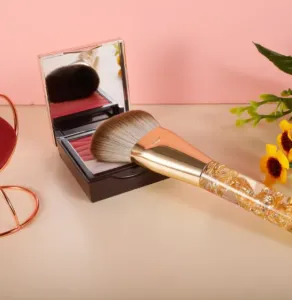
Custom Brush MOQs: Ask Which Choice Sets the Minimum
Understand quotation assumptions at component and variant level before committing to a custom brush order.
Use Supplier Design Support to Resolve Brush Tradeoffs
Technical support is most valuable when it helps a buyer decide between specific alternatives. A broad request for an innovative brush gives little direction.
Comments
No comments yet. Add a useful question or share your perspective.