Custom Eye Brush Ranges: Design Distinct Roles Before Colors
Plan an eye brush collection around useful differences in shape, labeling and customer understanding.
Give every head a clear job
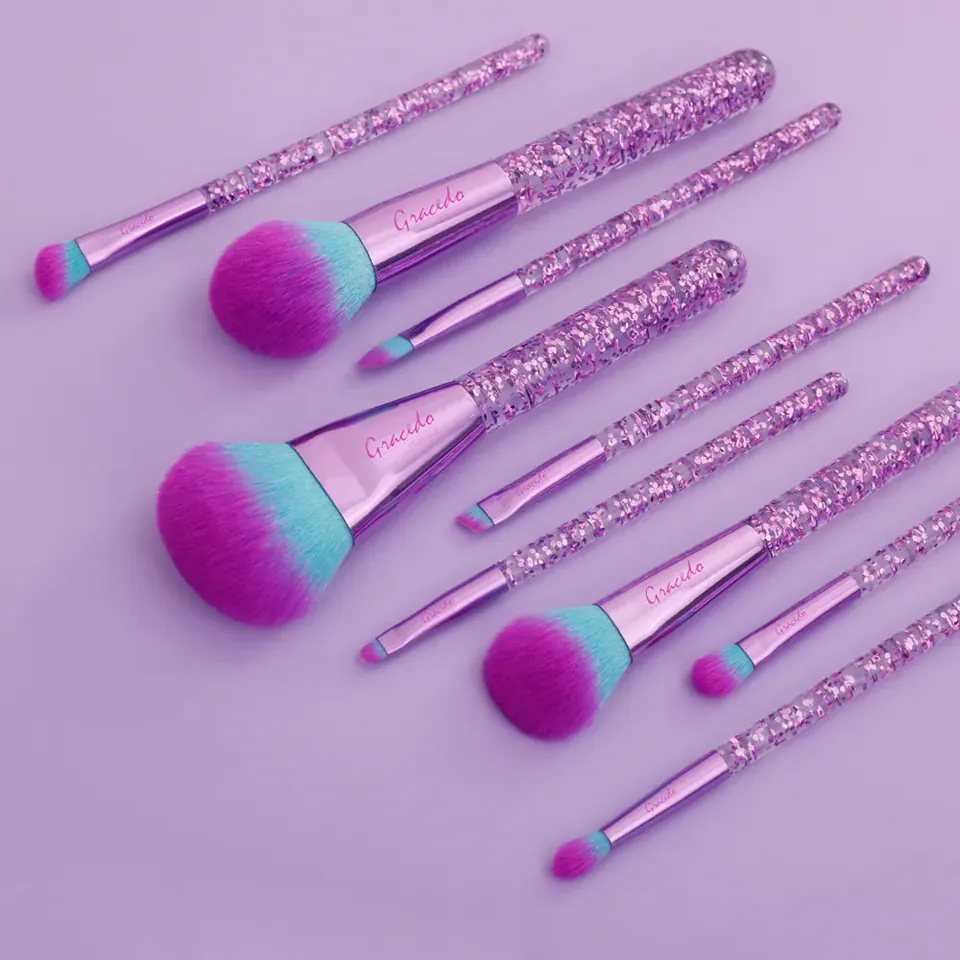
Before choosing a palette for custom handles, lay out the application roles you want the eye range to cover. Compare a compact shader, a blending head and a more targeted detail tool using samples. Ask whether the proposed additions genuinely offer different handling. Similar-looking brushes with overlapping roles can make the collection harder to explain and more complex to stock.
Build a readable visual system
Use handle markings, product names and package information to communicate the intended role. Check that the text remains legible on the actual handle length and finish. A printed mock-up viewed on a large screen can hide problems that become obvious on a small cylindrical surface. Review the assembled sample in ordinary lighting before approving the branding.
Choose a manageable launch structure
Consider whether shoppers will buy individual brushes, a complete eye set or both. Define how each piece is identified in bulk packing and how replacement stock will be matched. Keep the approved artwork and head reference together, but record them as separate approvals. This lets the range evolve without unintentionally changing a familiar product while refreshing its appearance.
Buyer checklist
- Define one application role per head.
- Check real-size handle labeling.
- Plan singles and sets before ordering.
Our guides use documented product information and editorial research. Hands-on testing is stated only where it has actually been performed. How we work
You may also find useful
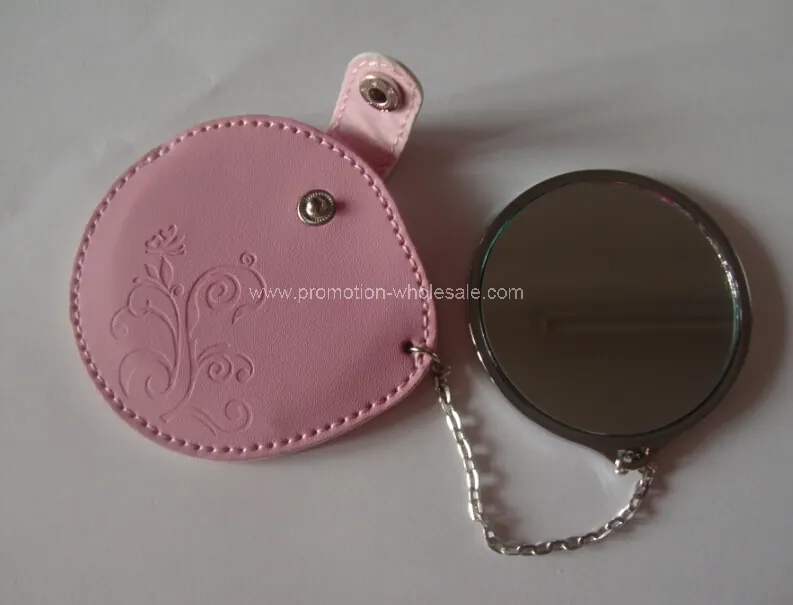
New Leather Pocket Cosmetic Mirror: a buyer’s assessment
An editorial assessment of New Leather Pocket Cosmetic Mirror, with practical questions about specifications, customisation and project fit.

Multifunctional Folding Comb with Mirror: a buyer’s assessment
An editorial assessment of Multifunctional Folding Comb with Mirror, with practical questions about specifications, customisation and project fit.

Custom Brush MOQs: Ask Which Choice Sets the Minimum
Understand quotation assumptions at component and variant level before committing to a custom brush order.
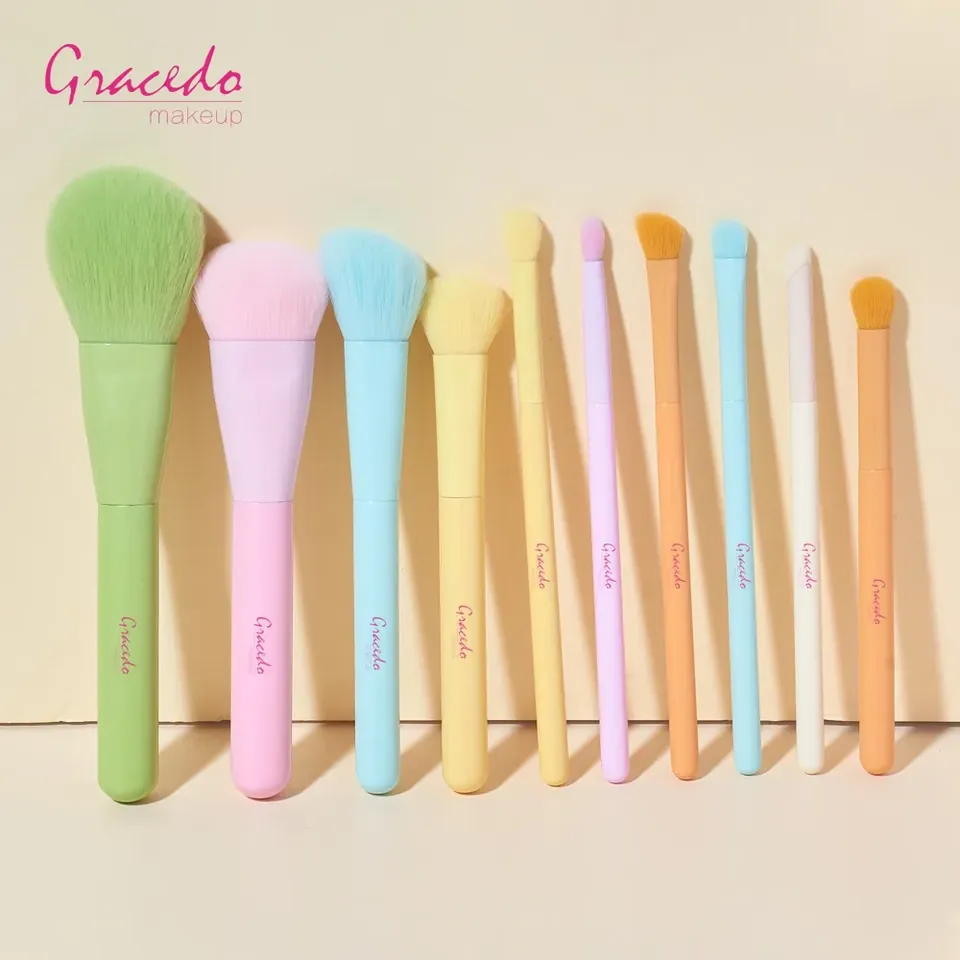
Use Supplier Design Support to Resolve Brush Tradeoffs
Technical support is most valuable when it helps a buyer decide between specific alternatives. A broad request for an innovative brush gives little direction.
Comments
No comments yet. Add a useful question or share your perspective.