Custom Sponge Quality: Build the Inspection into Development
Quality control is easier when the buyer decides what must be checked during development. A final visual inspection alone cannot answer every material or performance question.
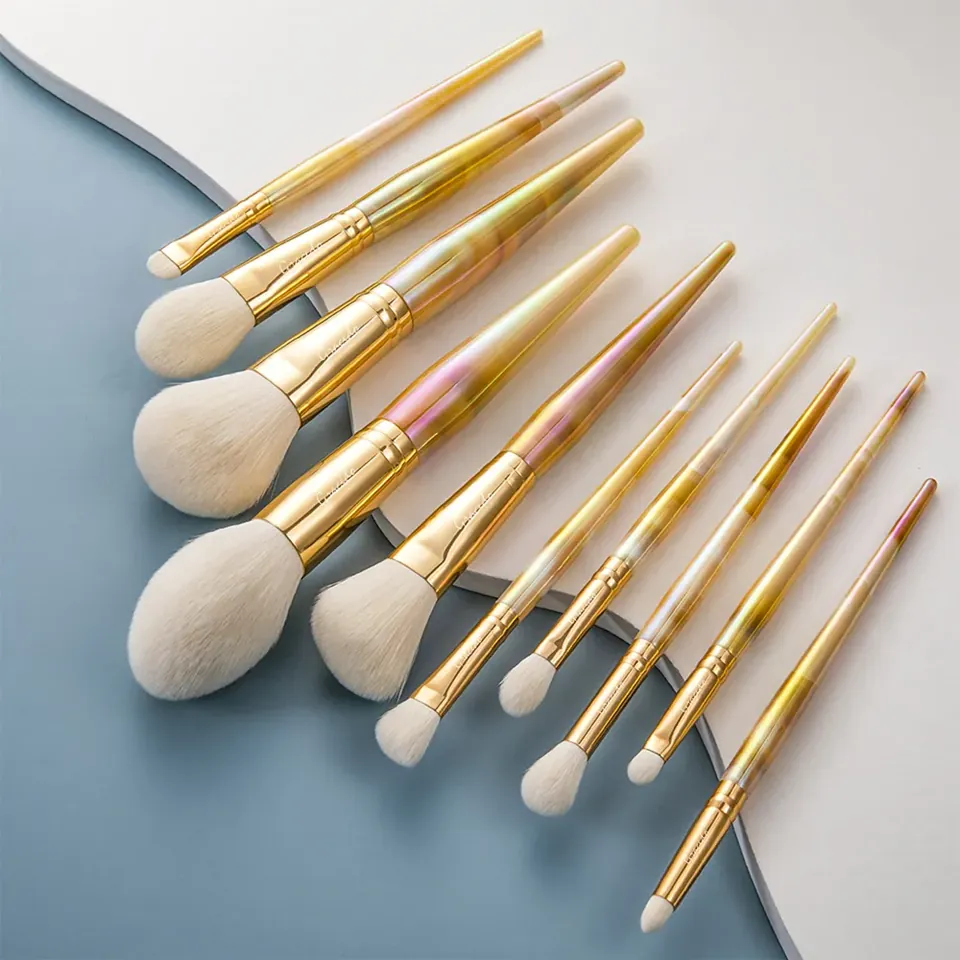
Quality control is easier when the buyer decides what must be checked during development. A final visual inspection alone cannot answer every material or performance question.
Identify the important product attributes
Start with shape, dimensions, material declaration, color and the intended preparation routine. Add the packaging condition and any claims planned for the label.
Distinguish measurable attributes from preferences. A color reference or dimensional tolerance can be recorded, while softness needs an agreed comparison or a defined method to become reproducible.
Ask where each check occurs
Discuss incoming materials, shaping, finishing and packing with the supplier. Ask which records connect the completed lot to the approved specification.
A general statement about international standards does not explain which tests apply to a particular sponge. Request the actual method or document where it matters to the purchase decision.
Use a clear change process
Retain approved samples and establish what happens if a material, pigment or packaging component changes. A substitution should be reviewed before production rather than discovered during delivery inspection. Keep corrective actions connected to the observed problem so that a future batch can be checked for the same issue without relying on informal assurances.
Before approving the order
- Define attributes before final inspection.
- Connect checks to production stages.
- Require review before material substitutions.
Our guides use documented product information and editorial research. Hands-on testing is stated only where it has actually been performed. How we work
You may also find useful
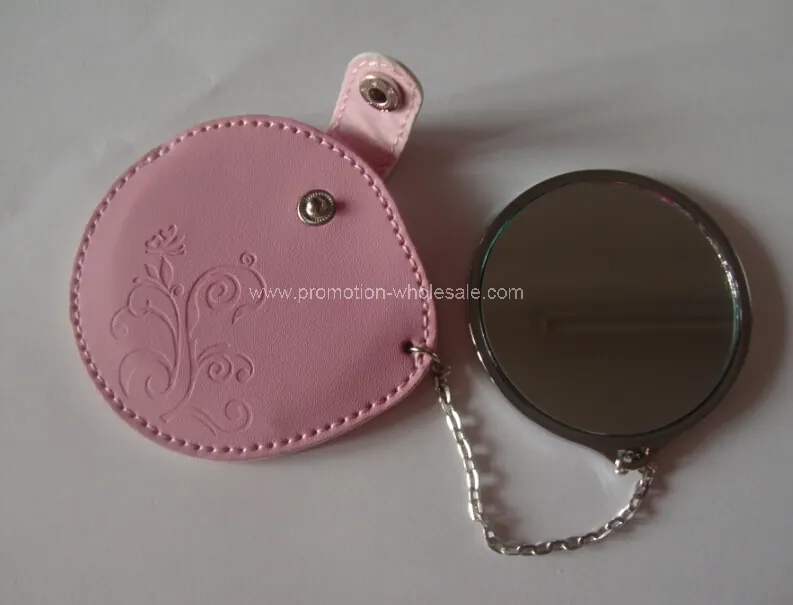
New Leather Pocket Cosmetic Mirror: a buyer’s assessment
An editorial assessment of New Leather Pocket Cosmetic Mirror, with practical questions about specifications, customisation and project fit.

Multifunctional Folding Comb with Mirror: a buyer’s assessment
An editorial assessment of Multifunctional Folding Comb with Mirror, with practical questions about specifications, customisation and project fit.

Custom Brush MOQs: Ask Which Choice Sets the Minimum
Understand quotation assumptions at component and variant level before committing to a custom brush order.
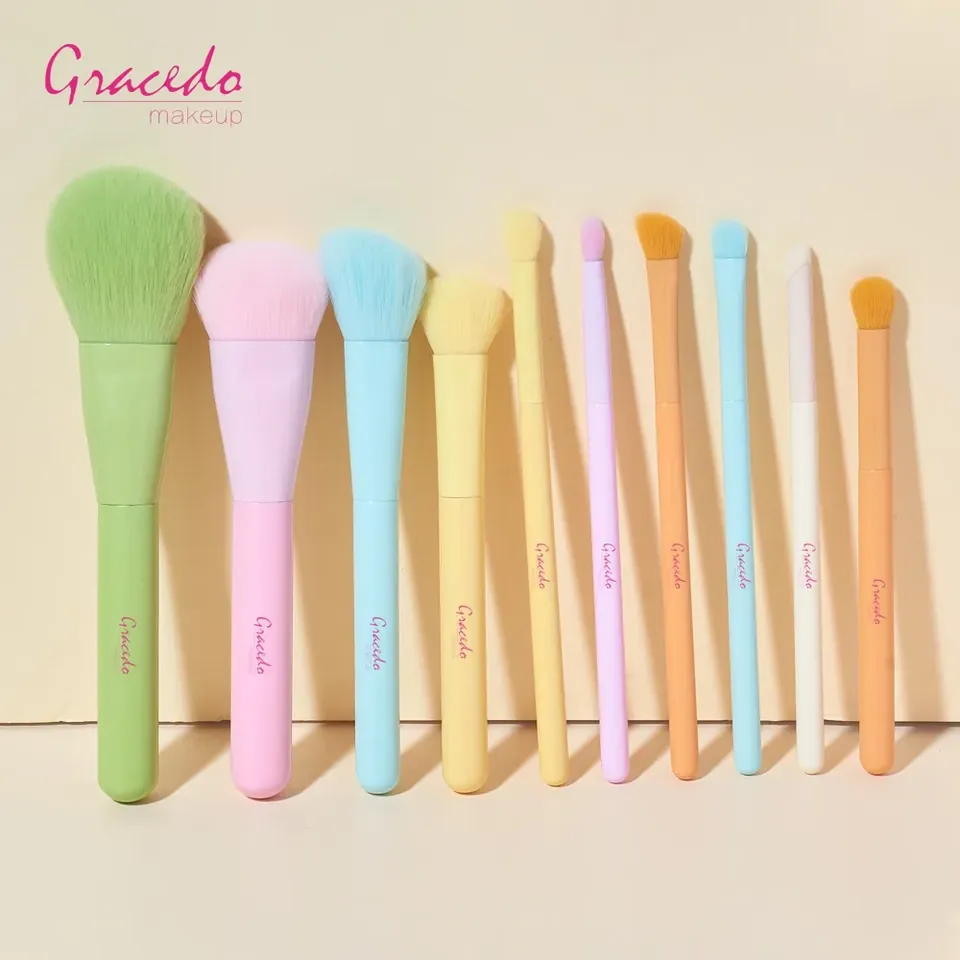
Use Supplier Design Support to Resolve Brush Tradeoffs
Technical support is most valuable when it helps a buyer decide between specific alternatives. A broad request for an innovative brush gives little direction.
Comments
No comments yet. Add a useful question or share your perspective.