Designing a Beginner Makeup Tool Kit That Explains Itself
A beginner kit should reduce decisions rather than multiply them. Start with a few understandable functions and make the intended use easy to recognize.
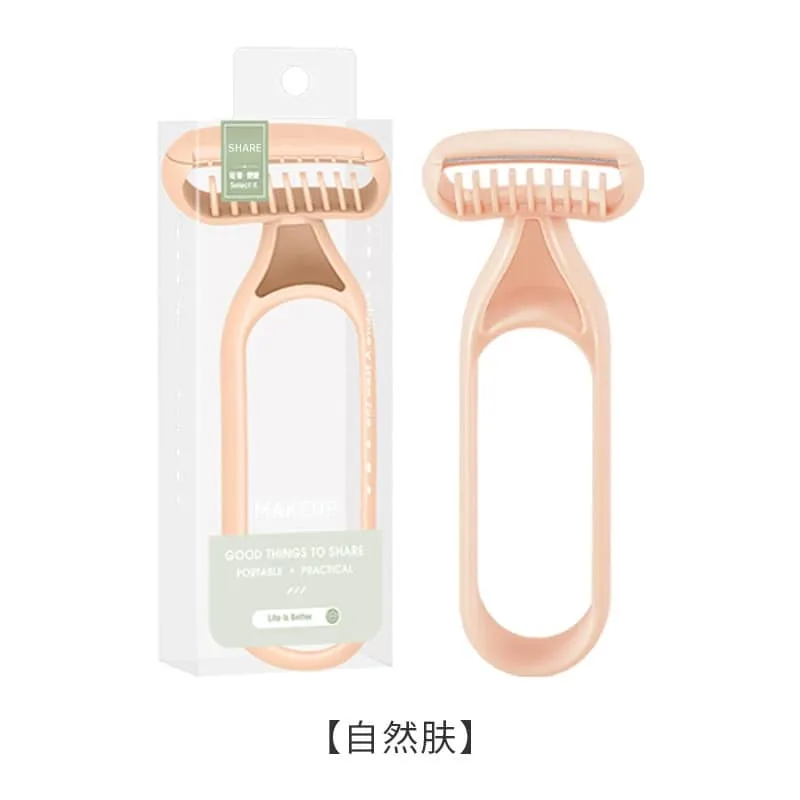
A beginner kit should reduce decisions rather than multiply them. Start with a few understandable functions and make the intended use easy to recognize.
Choose versatile shapes with clear roles
An angled face brush can be considered for cheek applications, while a tapered eye brush can support both placement and blending. A combined brow brush and spoolie reduces the number of separate pieces.
Versatility is useful only if instructions remain clear. Avoid promising that every head works equally well with every texture; ask the supplier which applications the design is intended to support.
Make identification part of the design
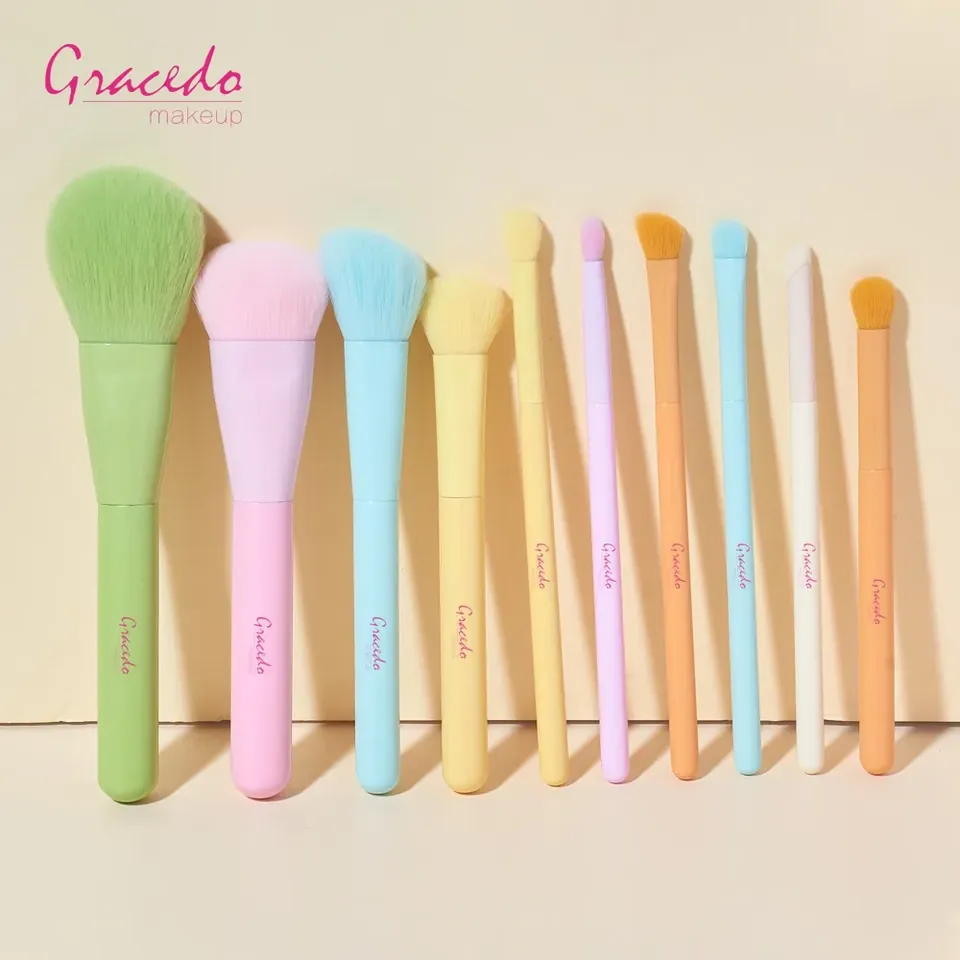
Short function labels on handles can connect each tool to an instruction card. Check that the words remain readable at actual size and after the chosen decoration process.
Color cues may help separate uses, but the instruction should not depend on color alone. Use names, numbers or simple diagrams as well. This also makes replacement tools easier to identify.
Test the learning sequence
Ask someone unfamiliar with the assortment to locate the correct tool using only the proposed packaging. Note where they hesitate and revise the labels before production. Check grip comfort and whether a travel case obscures identifiers. The goal is a kit that can be understood without requiring a long explanation from a salesperson.
Before approving the order
- Give each piece one primary purpose.
- Match handle labels to the instruction card.
- Review the pack with a first-time user.
Our guides use documented product information and editorial research. Hands-on testing is stated only where it has actually been performed. How we work
You may also find useful
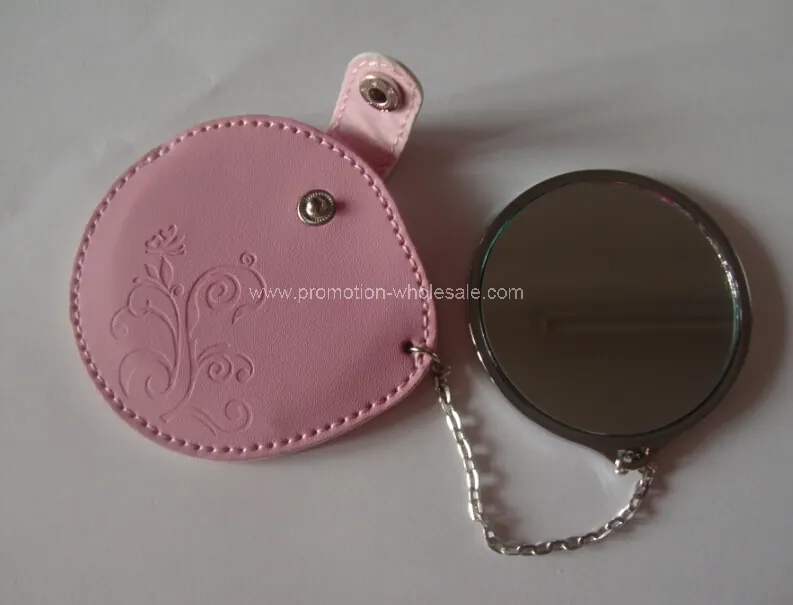
New Leather Pocket Cosmetic Mirror: a buyer’s assessment
An editorial assessment of New Leather Pocket Cosmetic Mirror, with practical questions about specifications, customisation and project fit.
Multifunctional Folding Comb with Mirror: a buyer’s assessment
An editorial assessment of Multifunctional Folding Comb with Mirror, with practical questions about specifications, customisation and project fit.
Custom Brush MOQs: Ask Which Choice Sets the Minimum
Understand quotation assumptions at component and variant level before committing to a custom brush order.
Use Supplier Design Support to Resolve Brush Tradeoffs
Technical support is most valuable when it helps a buyer decide between specific alternatives. A broad request for an innovative brush gives little direction.
Comments
No comments yet. Add a useful question or share your perspective.