Designing an Eye Brush Collection with a Clear Point of Difference
An eye brush collection becomes easier to sell when buyers can explain why each shape exists. Customization should reinforce that explanation.
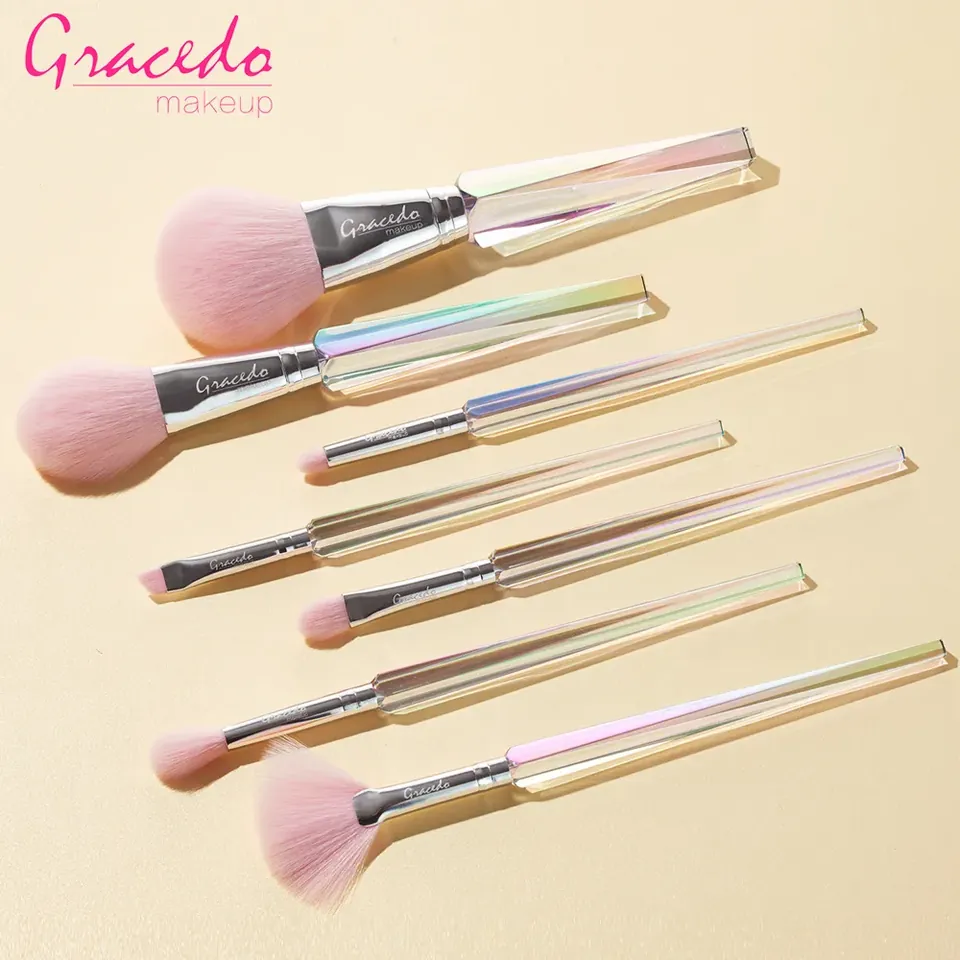
An eye brush collection becomes easier to sell when buyers can explain why each shape exists. Customization should reinforce that explanation.
Start with a technique gap
Compare the proposed set with the intended customer’s routine. A compact detail head may add value to a blending-focused range, while another large fluffy brush may only repeat an existing function.
Request samples with different exposed fiber lengths or head widths and document how each feels during the intended task. Keep observations tied to the sample code.
Coordinate the visual identity
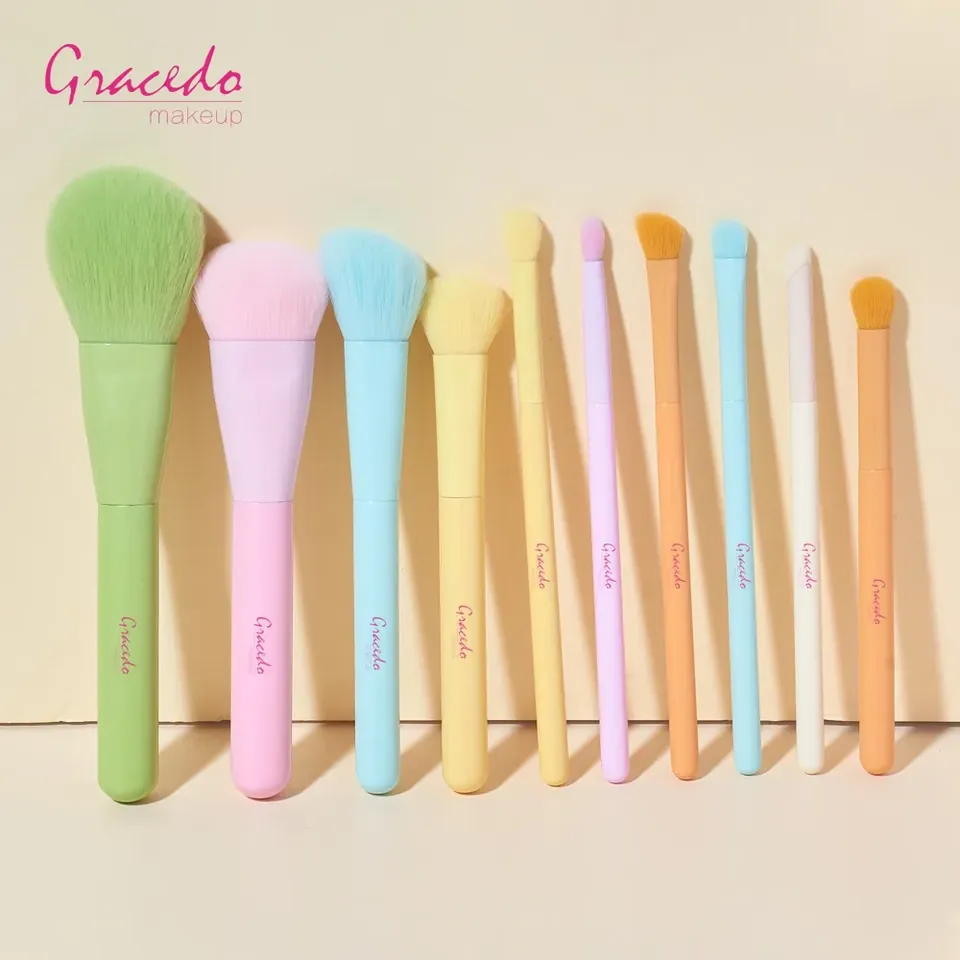
A coherent collection can share handle color, ferrule finish and typography while still identifying individual functions. Ask the supplier to show the actual decoration on curved or narrow surfaces.
Where several components come from different processes, approve their combined appearance. A matching color reference does not guarantee that a coated ferrule and painted handle look identical.
Use technical support for decisions
Ask concrete questions about fiber selection, shape retention and packing protection. Useful support explains the tradeoff between alternatives and identifies what requires a new sample. Retain the agreed drawing and finished reference so that later extensions can fit the range without changing its basic proportions unexpectedly.
Before approving the order
- Identify an actual assortment gap.
- Compare coded shape samples.
- Approve a collection reference for future additions.
Our guides use documented product information and editorial research. Hands-on testing is stated only where it has actually been performed. How we work
You may also find useful
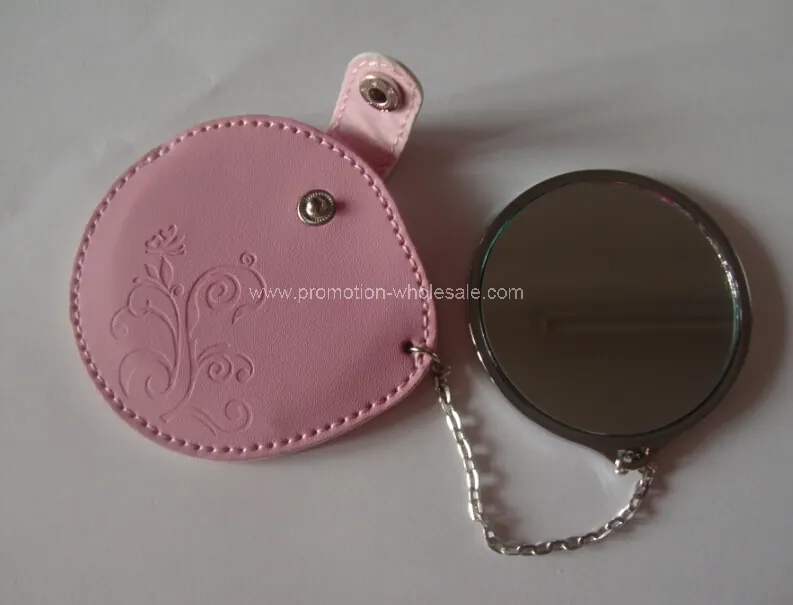
New Leather Pocket Cosmetic Mirror: a buyer’s assessment
An editorial assessment of New Leather Pocket Cosmetic Mirror, with practical questions about specifications, customisation and project fit.
Multifunctional Folding Comb with Mirror: a buyer’s assessment
An editorial assessment of Multifunctional Folding Comb with Mirror, with practical questions about specifications, customisation and project fit.
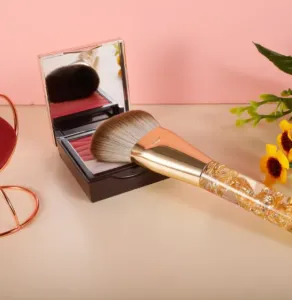
Custom Brush MOQs: Ask Which Choice Sets the Minimum
Understand quotation assumptions at component and variant level before committing to a custom brush order.
Use Supplier Design Support to Resolve Brush Tradeoffs
Technical support is most valuable when it helps a buyer decide between specific alternatives. A broad request for an innovative brush gives little direction.
Comments
No comments yet. Add a useful question or share your perspective.