Environmental Beauty-Tool Claims: Start with a Product Evidence File
A buyer checklist for material descriptions, packaging choices and precise environmental language.
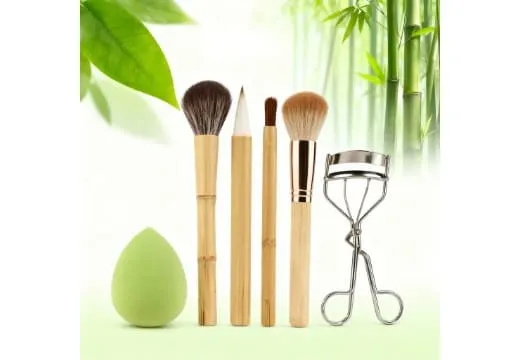
Turn broad goals into specific questions
A lower-impact collection brief needs more detail than a request for green products. Identify the component you want to change: handle material, packaging volume, a reusable format or another defined feature. Ask suppliers for a full description of the proposed item and the evidence available for the relevant claim. Natural appearance and plant-related terminology do not establish an environmental result.
Review the complete product
A brush includes more than its handle, and a pad includes more than its headline fabric description. Record fibers, coatings, adhesives or layers where they matter to the proposed statement. Keep packaging information in the same file while distinguishing it from the tool itself. Avoid implying that a property of one component automatically applies to the entire assembled product.
Write narrow, supportable copy
Use descriptions that match the available documentation and clarify their scope. If the team cannot substantiate a broad environmental comparison, describe the verified construction instead. Review disposal or reuse instructions for the finished item and the intended market before printing. Leave room in the product file for updated supplier information so a future material substitution triggers a fresh review of the public wording.
Buyer checklist
- Define the exact feature you want to change.
- Record complete construction where relevant.
- Match every public claim to specific evidence.
Our guides use documented product information and editorial research. Hands-on testing is stated only where it has actually been performed. How we work
You may also find useful
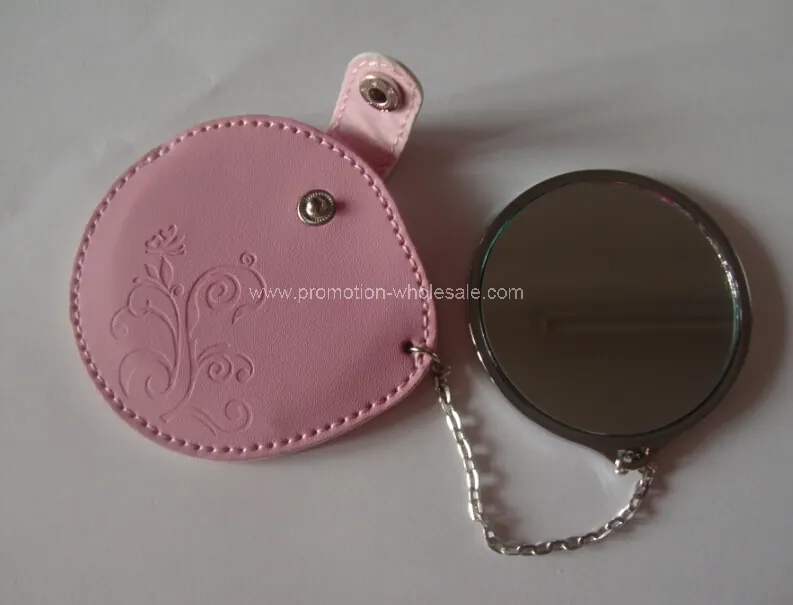
New Leather Pocket Cosmetic Mirror: a buyer’s assessment
An editorial assessment of New Leather Pocket Cosmetic Mirror, with practical questions about specifications, customisation and project fit.
Multifunctional Folding Comb with Mirror: a buyer’s assessment
An editorial assessment of Multifunctional Folding Comb with Mirror, with practical questions about specifications, customisation and project fit.
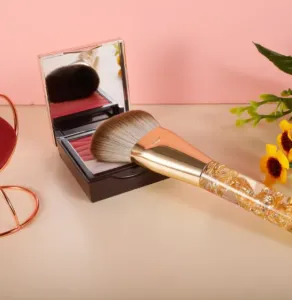
Custom Brush MOQs: Ask Which Choice Sets the Minimum
Understand quotation assumptions at component and variant level before committing to a custom brush order.
Use Supplier Design Support to Resolve Brush Tradeoffs
Technical support is most valuable when it helps a buyer decide between specific alternatives. A broad request for an innovative brush gives little direction.
Comments
No comments yet. Add a useful question or share your perspective.