Eyeshadow Brush Collections: Make Precision a Defined Role
Build an eye brush range with clear head references, useful comparisons and understandable customer guidance.

Translate precision into a task
The word precision can describe many different eye brush designs. Identify whether the proposed tool is intended for a compact application area, a defined line or a more controlled blending step. Request dimensions and photographs of the head from useful angles. A task-based brief gives the supplier something concrete to answer and helps the buying team distinguish overlapping designs.
Use formulas relevant to the range
Choose the eyeshadow products your team intends to evaluate and keep them consistent across comparable samples. Ask evaluators to record grip, orientation and access rather than assigning a vague overall quality label. Keep individual preferences visible. Sample feedback can help select the range, but it should not become a promise of the same result for every formula or user.
Keep the collection easy to navigate
Review product names, handle markings and packaging diagrams together. Make sure each selected brush can be identified after the outer box is discarded. Obtain care guidance for the approved construction and store the sample references with the artwork files. When adding new heads later, compare their roles with the existing set so the range grows through useful differences rather than near-duplicate options.
Buyer checklist
- Define the application task precisely.
- Compare samples with relevant eyeshadows.
- Keep identification clear beyond the packaging.
Our guides use documented product information and editorial research. Hands-on testing is stated only where it has actually been performed. How we work
You may also find useful
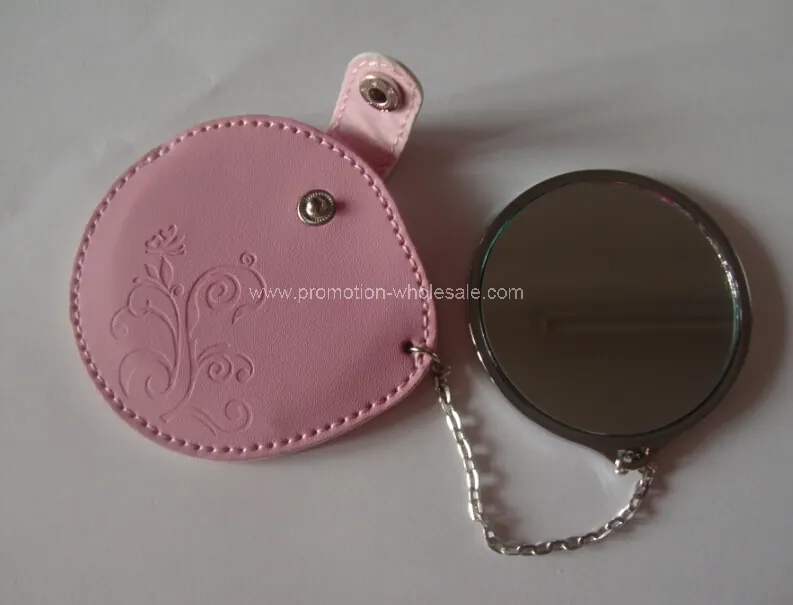
New Leather Pocket Cosmetic Mirror: a buyer’s assessment
An editorial assessment of New Leather Pocket Cosmetic Mirror, with practical questions about specifications, customisation and project fit.

Multifunctional Folding Comb with Mirror: a buyer’s assessment
An editorial assessment of Multifunctional Folding Comb with Mirror, with practical questions about specifications, customisation and project fit.
Custom Brush MOQs: Ask Which Choice Sets the Minimum
Understand quotation assumptions at component and variant level before committing to a custom brush order.
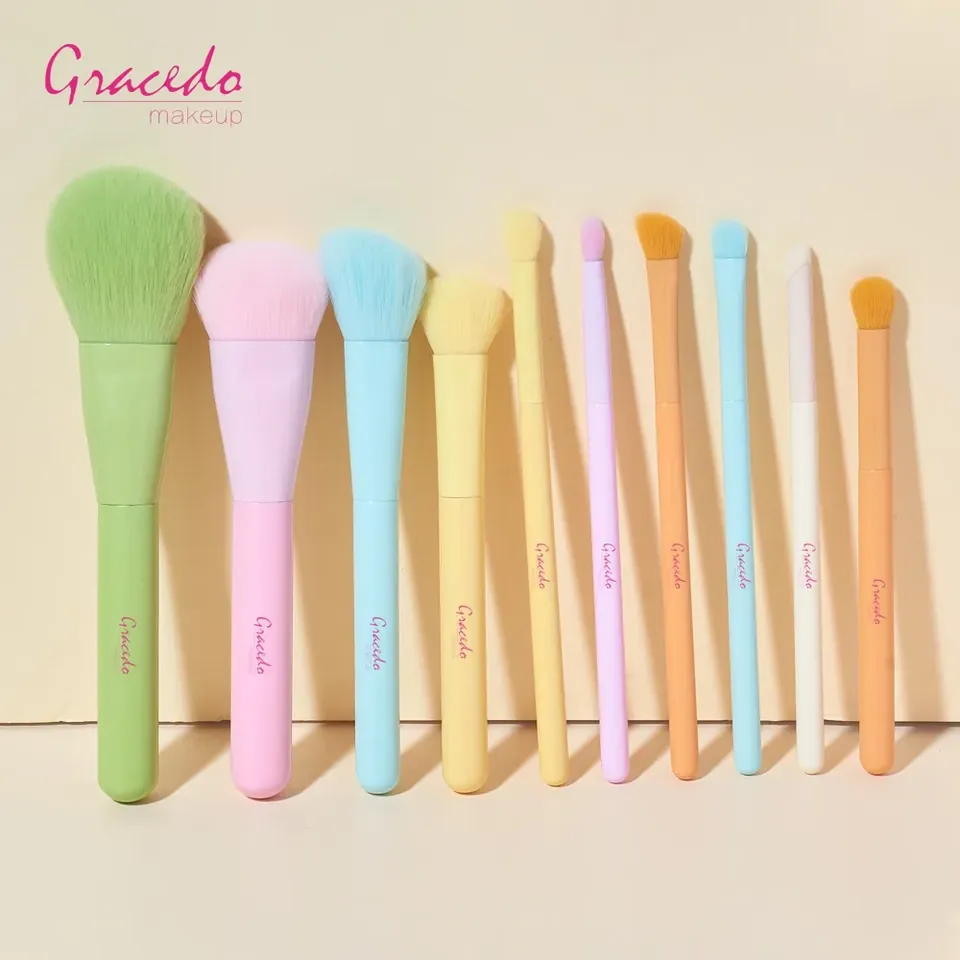
Use Supplier Design Support to Resolve Brush Tradeoffs
Technical support is most valuable when it helps a buyer decide between specific alternatives. A broad request for an innovative brush gives little direction.
Comments
No comments yet. Add a useful question or share your perspective.