Eyeshadow Textures and Brush Briefs: Evaluate the Pairing Directly
Build eye brush comparisons around the formulas your customers use instead of broad fiber-performance rules.
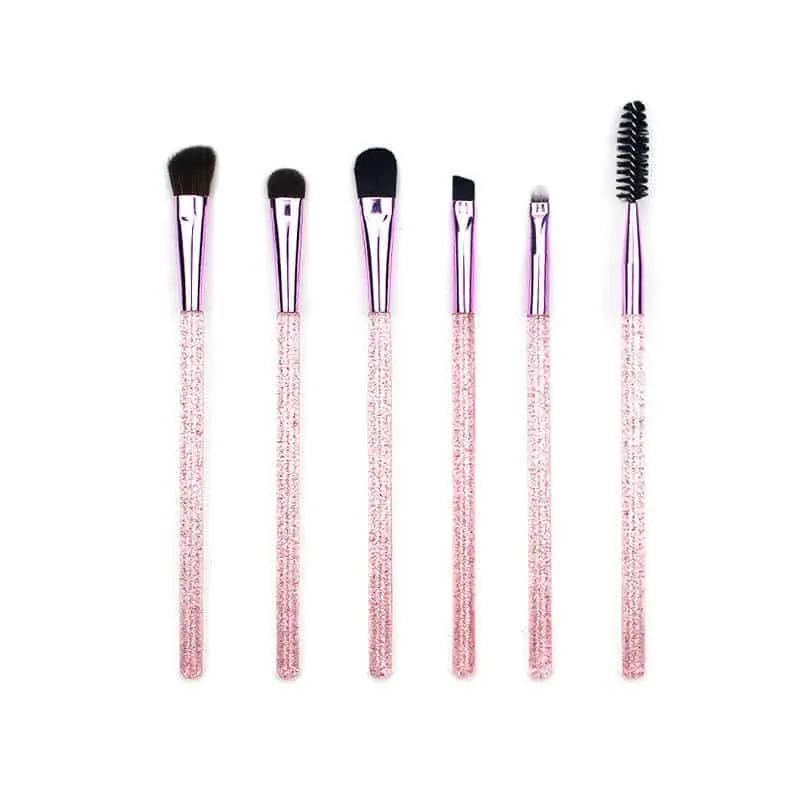
List the textures in scope
Identify the eyeshadow formulas your collection will accompany, such as the specific powders or creams already in your range. Keep the actual products available for sample evaluation. Ask suppliers to propose clearly referenced heads and explain their material descriptions. Avoid assuming that a general formula category determines one mandatory fiber construction or that every product with a similar name behaves the same way.
Compare one task at a time
Give evaluators a defined application task and record which brush and formula they use. Ask about handling, reach and ease of identifying the working surface. If both the head shape and material differ, keep those differences visible rather than attributing every observation to the fibers. Internal feedback should help select a suitable pairing without becoming a claim of universal performance.
Write the range guidance from the decision
Use names and diagrams to explain the selected brushes’ intended roles. Obtain care information for the approved constructions and keep it with the sample references. When a formula or brush changes, revisit the pairing rather than reusing the earlier description automatically. A precise brief can support useful choices without overstating the science behind an unverified supplier explanation.
Buyer checklist
- Identify the actual eyeshadows being evaluated.
- Keep head and material differences visible.
- Revisit guidance when either product changes.
Our guides use documented product information and editorial research. Hands-on testing is stated only where it has actually been performed. How we work
You may also find useful
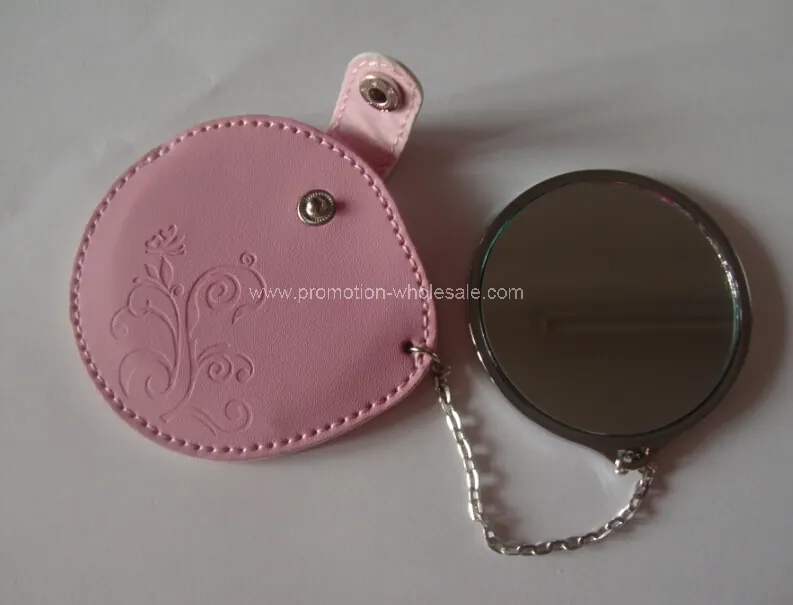
New Leather Pocket Cosmetic Mirror: a buyer’s assessment
An editorial assessment of New Leather Pocket Cosmetic Mirror, with practical questions about specifications, customisation and project fit.
Multifunctional Folding Comb with Mirror: a buyer’s assessment
An editorial assessment of Multifunctional Folding Comb with Mirror, with practical questions about specifications, customisation and project fit.
Custom Brush MOQs: Ask Which Choice Sets the Minimum
Understand quotation assumptions at component and variant level before committing to a custom brush order.
Use Supplier Design Support to Resolve Brush Tradeoffs
Technical support is most valuable when it helps a buyer decide between specific alternatives. A broad request for an innovative brush gives little direction.
Comments
No comments yet. Add a useful question or share your perspective.