Glitter Applicators: Evaluate Formula Compatibility Before Claims
Glitter tools should be considered with the specific cosmetic formula and its intended-use guidance. Tool materials alone do not prove safe use or eliminate fallout.
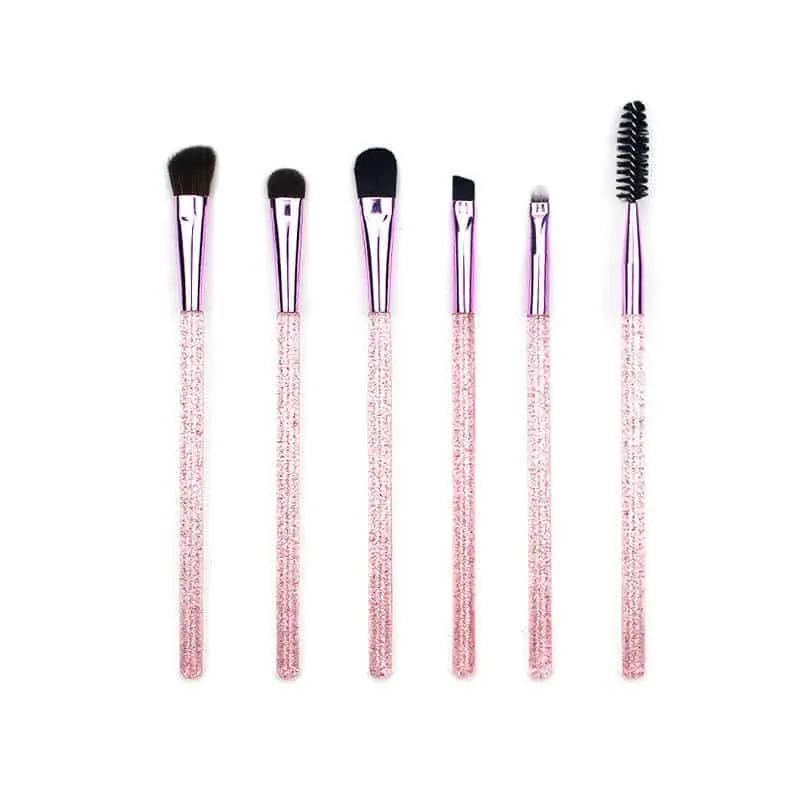
Glitter tools should be considered with the specific cosmetic formula and its intended-use guidance. Tool materials alone do not prove safe use or eliminate fallout.
Compare contact surfaces
A synthetic brush and a silicone-tipped applicator interact differently with the product surface. Ask for samples in the proposed materials and evaluate the working shape. Record edge finish, flexibility and access to the intended area. Avoid adopting unsupported explanations about suction or special fibers as established performance facts.
Keep the formula instructions central
Only assess the applicator with products intended for the proposed use and follow their instructions. A tool description should not imply that every loose glitter is suitable near the eyes. Claims about reduced fallout or product transfer need appropriate evidence for the specific tool-and-formula combination rather than a general category promise.
Specify care and replacement
Confirm how the finished head should be cleaned, dried and stored. If a surface treatment is proposed, request its declaration and relevant compatibility information. Approve the final tool and packaging together, including clear identifiers if several tips are offered. Keep the evaluation method so that later material changes can be reviewed consistently.
Before approving the order
- Compare actual surfaces and edge finishes.
- Respect the intended cosmetic formula use.
- Verify treatment and care information.
Our guides use documented product information and editorial research. Hands-on testing is stated only where it has actually been performed. How we work
You may also find useful
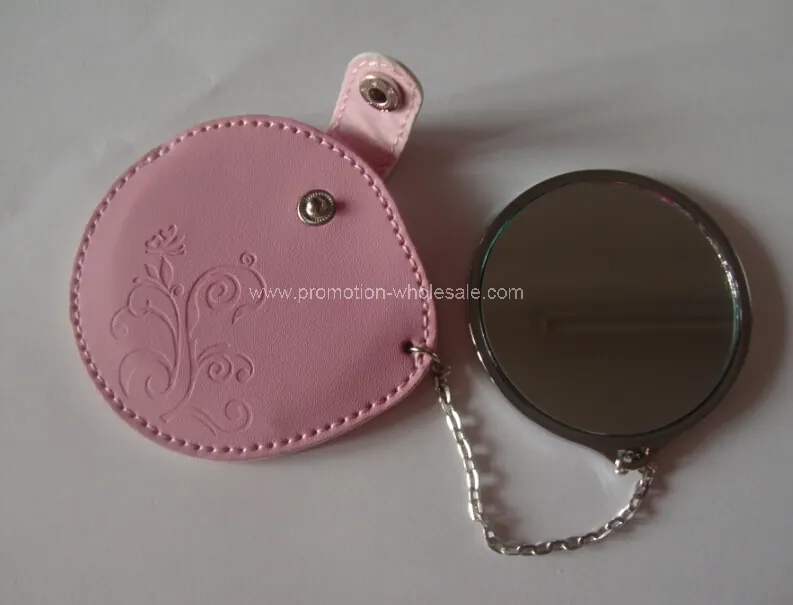
New Leather Pocket Cosmetic Mirror: a buyer’s assessment
An editorial assessment of New Leather Pocket Cosmetic Mirror, with practical questions about specifications, customisation and project fit.
Multifunctional Folding Comb with Mirror: a buyer’s assessment
An editorial assessment of Multifunctional Folding Comb with Mirror, with practical questions about specifications, customisation and project fit.
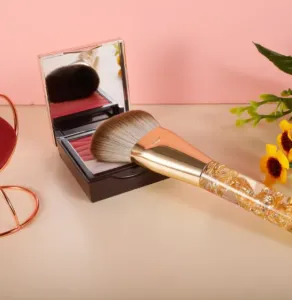
Custom Brush MOQs: Ask Which Choice Sets the Minimum
Understand quotation assumptions at component and variant level before committing to a custom brush order.
Use Supplier Design Support to Resolve Brush Tradeoffs
Technical support is most valuable when it helps a buyer decide between specific alternatives. A broad request for an innovative brush gives little direction.
Comments
No comments yet. Add a useful question or share your perspective.