How Many Beauty Tools Should a New Range Include?
Set assortment size by product roles, operational capacity and clear customer choices rather than a fixed number.
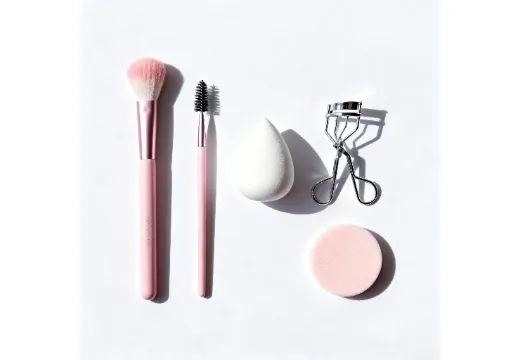
Count useful decisions, not just products
Begin with the routines and application tasks your intended customers need to cover. Identify which tools provide distinct options and where proposed items overlap. A small range with understandable roles can be easier to present than a broad selection whose differences require lengthy explanation. Do not treat a generic recommended product count as a substitute for your own collection brief.
Include the work behind each item
Every added tool needs reliable information, sample review, images, packaging and a clear stock reference. List those requirements before approving more variants. Ask whether the business can keep the data and artwork current. Colors may create additional stock lines even when the working product is unchanged, so separate decorative breadth from functional coverage in the plan.
Leave room to learn
Launch planning should include a way to collect actual customer questions and sales information. Use that record to decide whether a missing role deserves another product or whether an existing description needs improvement. Keep future additions linked to the same naming and specification system. A deliberate assortment size supports clearer sourcing requests and makes it easier to explain why each selected item belongs.
Buyer checklist
- Map the customer routine first.
- Account for the work behind every variant.
- Use real feedback to guide later additions.
Our guides use documented product information and editorial research. Hands-on testing is stated only where it has actually been performed. How we work
You may also find useful
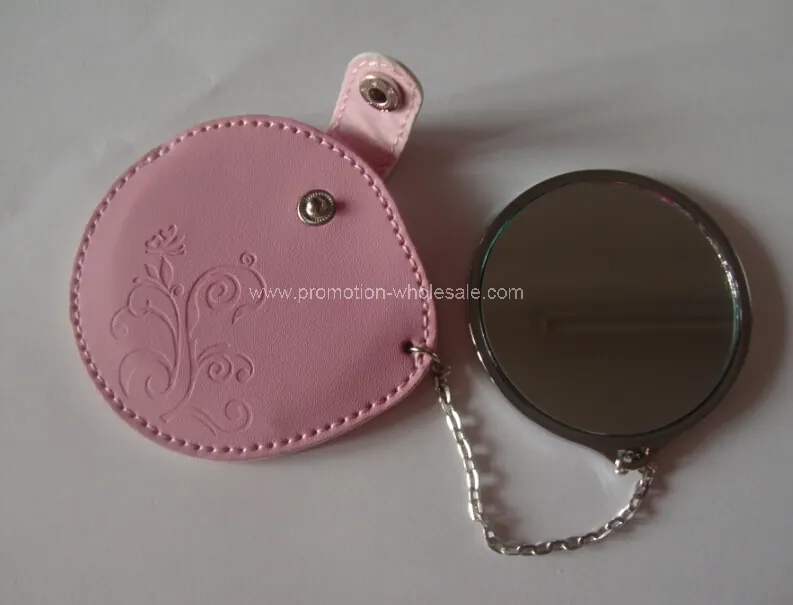
New Leather Pocket Cosmetic Mirror: a buyer’s assessment
An editorial assessment of New Leather Pocket Cosmetic Mirror, with practical questions about specifications, customisation and project fit.

Multifunctional Folding Comb with Mirror: a buyer’s assessment
An editorial assessment of Multifunctional Folding Comb with Mirror, with practical questions about specifications, customisation and project fit.
Custom Brush MOQs: Ask Which Choice Sets the Minimum
Understand quotation assumptions at component and variant level before committing to a custom brush order.
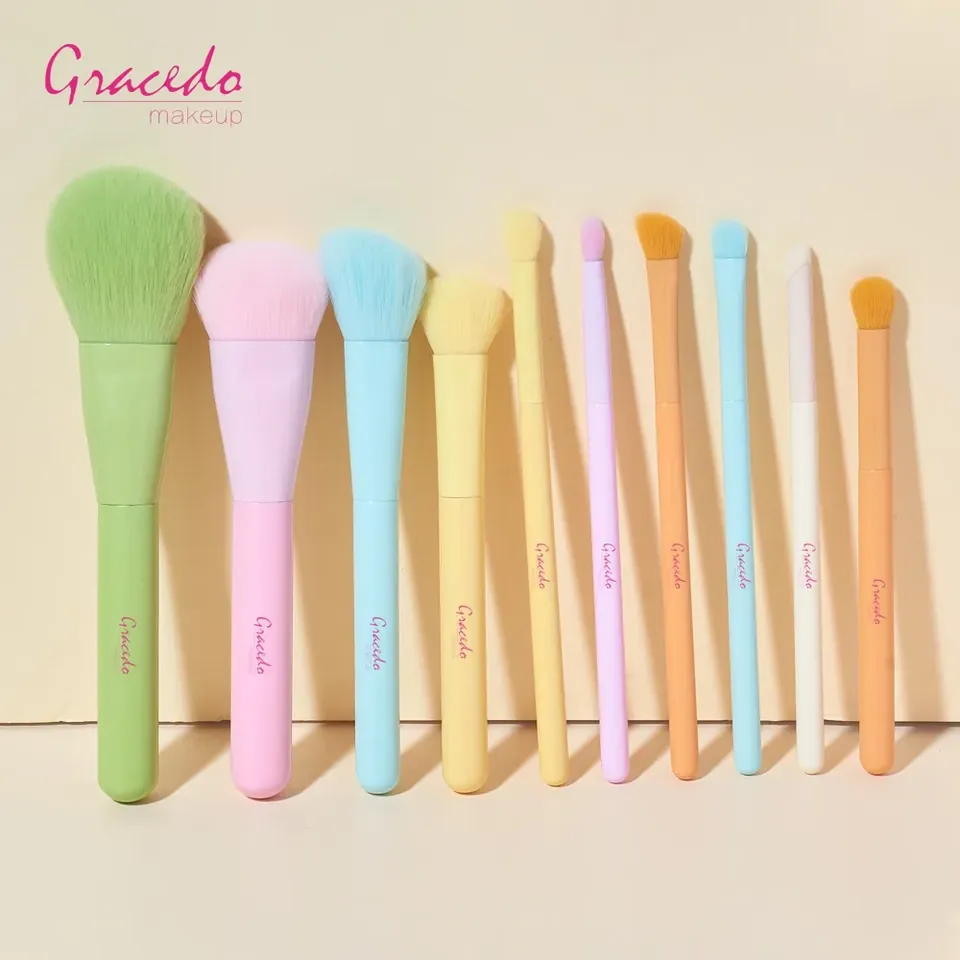
Use Supplier Design Support to Resolve Brush Tradeoffs
Technical support is most valuable when it helps a buyer decide between specific alternatives. A broad request for an innovative brush gives little direction.
Comments
No comments yet. Add a useful question or share your perspective.