How to Evaluate a Beauty Tool Factory Beyond Its Website
A sourcing shortlist should be based on evidence for the product you need. Broad claims about experience or standards are a starting point for questions.

A sourcing shortlist should be based on evidence for the product you need. Broad claims about experience or standards are a starting point for questions.
Ask who performs the work
Establish which operations the supplier performs directly and which are subcontracted. Request a process explanation for the actual tool: component sourcing, assembly, finishing, inspection and packing.
This helps identify where approval and traceability matter. A supplier can manage external processes responsibly, but the buyer needs a clear account of who controls the result.
Make samples answer specific questions
Evaluate dimensions, assembly, finish and intended use against a written checklist. Do not ask only whether the sample looks good. If the purchase depends on a particular material or claim, request documentation that identifies the product and scope.
A management-system certificate should not be treated as a test report for every item. Check the entity, date and coverage before using it in a purchasing decision.
Review the order process
Ask how specification changes, production checks and defects are recorded. Confirm who can authorize a substitution and what evidence accompanies shipment. A clear corrective-action process often tells a buyer more about a long-term working relationship than a large list of unsupported superlatives.
Before approving the order
- Map direct and outsourced operations.
- Test samples against written criteria.
- Check claim scope and defect-resolution procedures.
Our guides use documented product information and editorial research. Hands-on testing is stated only where it has actually been performed. How we work
You may also find useful
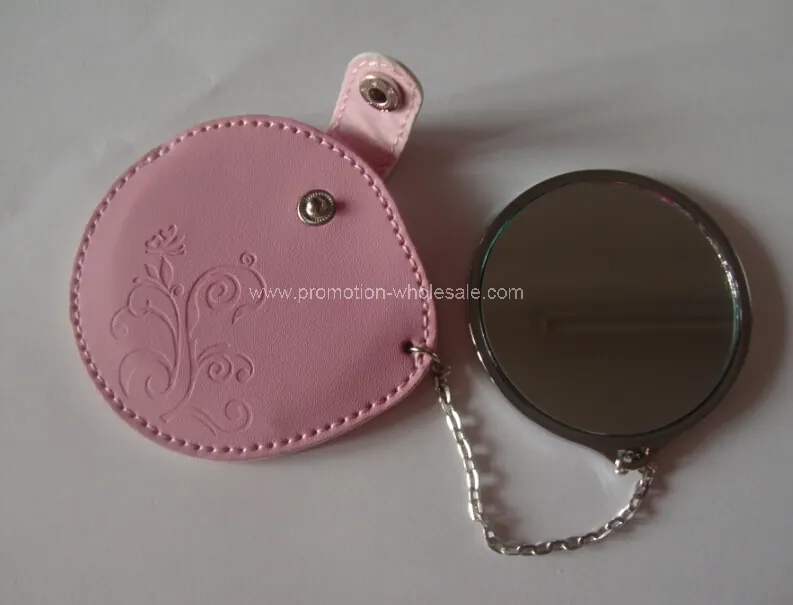
New Leather Pocket Cosmetic Mirror: a buyer’s assessment
An editorial assessment of New Leather Pocket Cosmetic Mirror, with practical questions about specifications, customisation and project fit.

Multifunctional Folding Comb with Mirror: a buyer’s assessment
An editorial assessment of Multifunctional Folding Comb with Mirror, with practical questions about specifications, customisation and project fit.
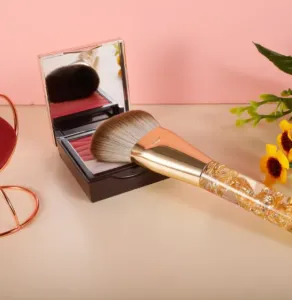
Custom Brush MOQs: Ask Which Choice Sets the Minimum
Understand quotation assumptions at component and variant level before committing to a custom brush order.
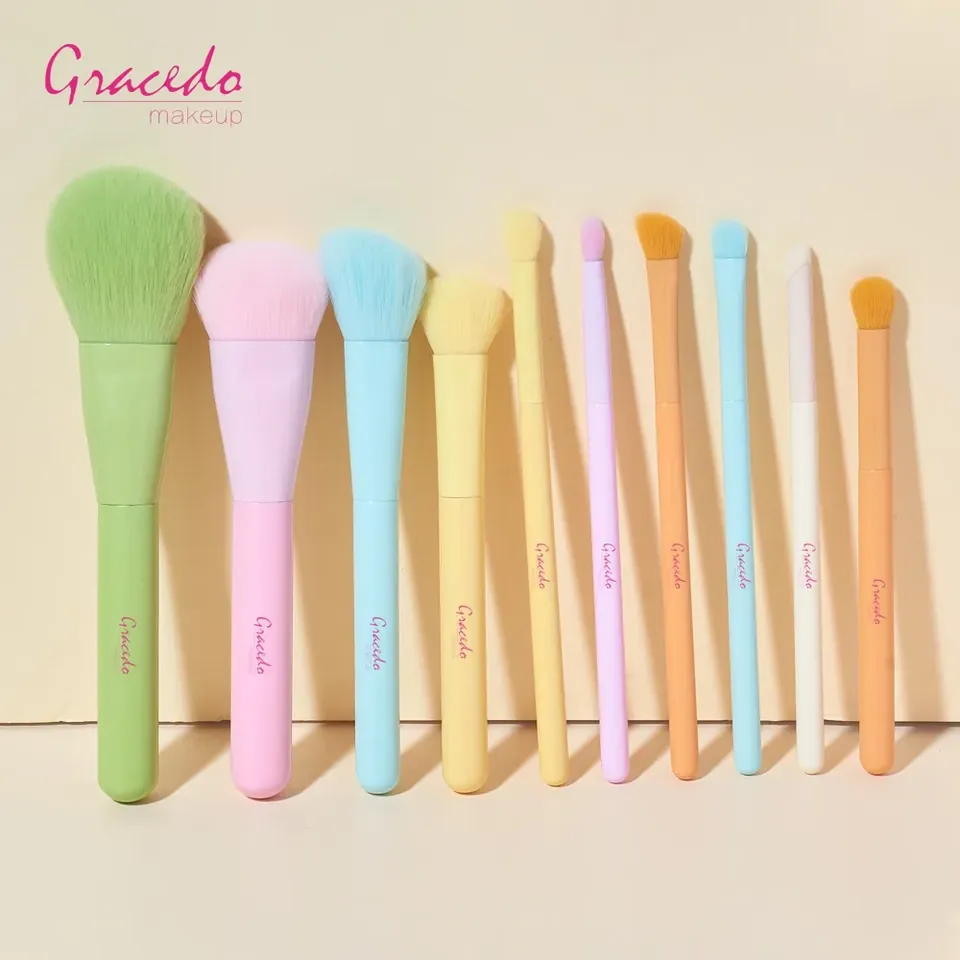
Use Supplier Design Support to Resolve Brush Tradeoffs
Technical support is most valuable when it helps a buyer decide between specific alternatives. A broad request for an innovative brush gives little direction.
Comments
No comments yet. Add a useful question or share your perspective.