Makeup Brush Fibers: Compare Material Descriptions Carefully
A structured way to review fiber terminology, intended use and evidence behind material claims.
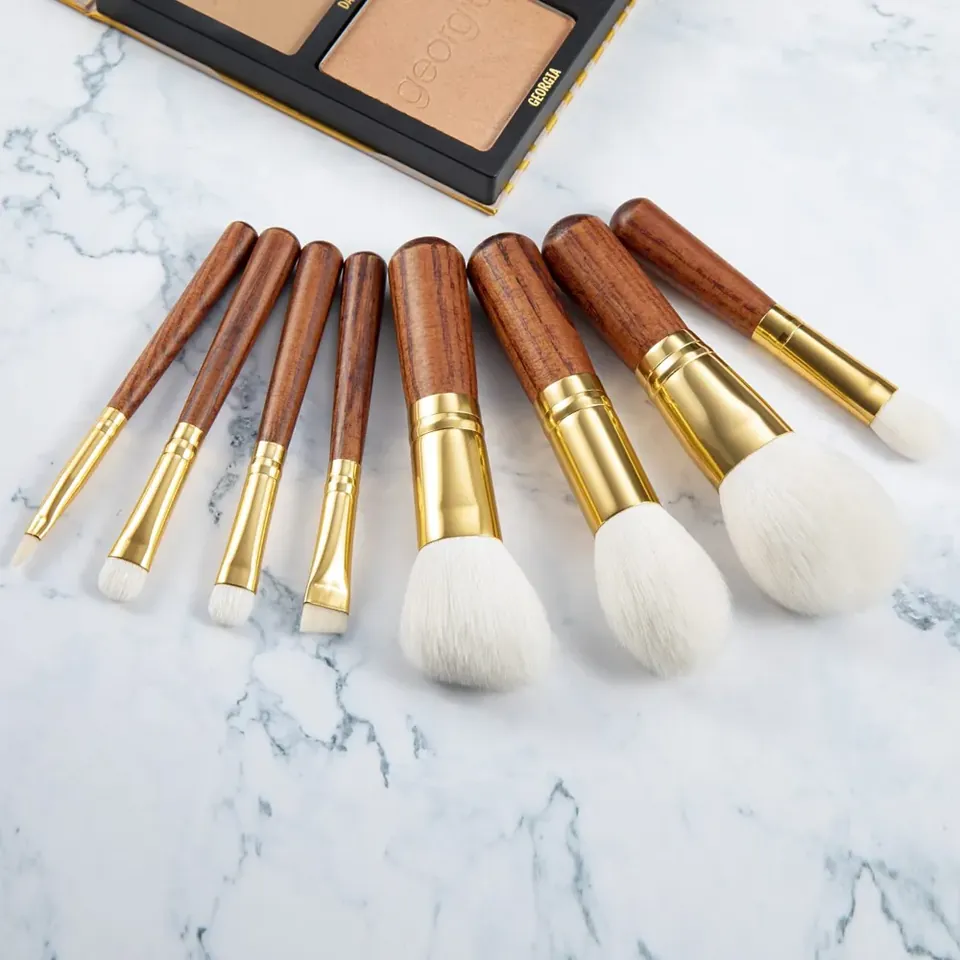
Ask what the material name means
Brush listings may describe synthetic fibers, animal hair or blends using inconsistent language. Request a written material description for the exact brush rather than relying on a general catalog statement. Clarify whether the head contains a single material or a mixture. Keep that information linked to the model reference so marketing copy is not accidentally transferred from another item.
Make the formula part of the comparison
Material selection is only one part of the brush design. Ask evaluators to compare complete heads with the cosmetics and application tasks your customers will use. Note head dimensions, shape and handling alongside the fiber description. Avoid turning broad material categories into universal rules about softness, product pickup or ease of cleaning. The assembled product still needs its own sample review.
Keep claims within the evidence
If animal-free positioning matters to the collection, ask which components the supplier’s statement covers. A fiber description alone may not establish the composition of glue, decoration or packaging. Keep precise wording in the product file and obtain clarification before publication. For customer care information, use instructions relevant to the approved construction rather than copying directions from an unrelated brush.
Buyer checklist
- Record exact fiber terminology.
- Evaluate the assembled head, not a loose fiber sample.
- Confirm the scope of every material claim.
Our guides use documented product information and editorial research. Hands-on testing is stated only where it has actually been performed. How we work
You may also find useful
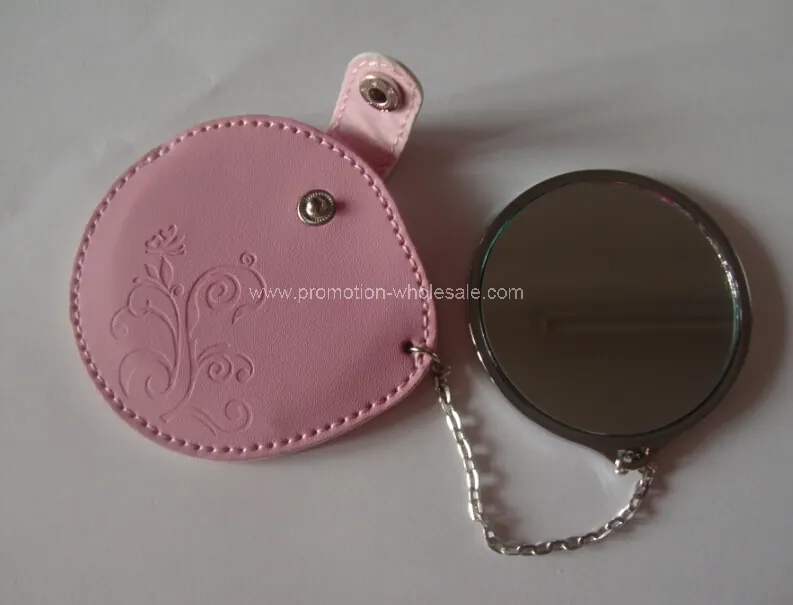
New Leather Pocket Cosmetic Mirror: a buyer’s assessment
An editorial assessment of New Leather Pocket Cosmetic Mirror, with practical questions about specifications, customisation and project fit.
Multifunctional Folding Comb with Mirror: a buyer’s assessment
An editorial assessment of Multifunctional Folding Comb with Mirror, with practical questions about specifications, customisation and project fit.
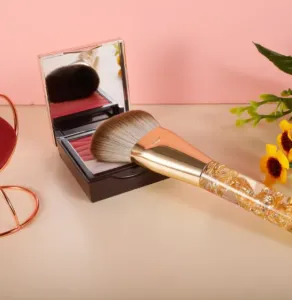
Custom Brush MOQs: Ask Which Choice Sets the Minimum
Understand quotation assumptions at component and variant level before committing to a custom brush order.
Use Supplier Design Support to Resolve Brush Tradeoffs
Technical support is most valuable when it helps a buyer decide between specific alternatives. A broad request for an innovative brush gives little direction.
Comments
No comments yet. Add a useful question or share your perspective.