Makeup Sponge Shape Planning: Choose Distinct Working Surfaces
Edit a sponge assortment around shape, handling and clear customer identification rather than visual variety alone.
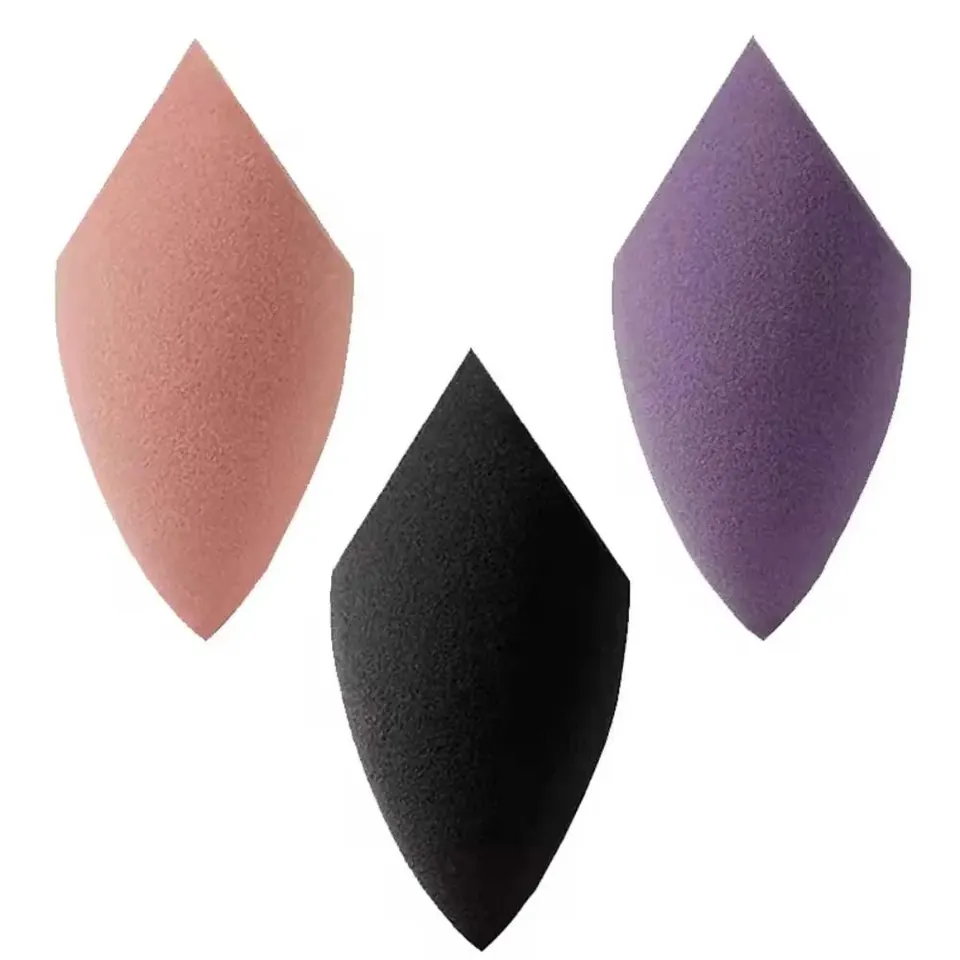
Define the need behind each shape
A sponge range can include broad surfaces, edges and smaller tips, but every silhouette should have a clear reason for inclusion. Describe the application areas the collection intends to support and request dimensions for proposed samples. Avoid treating shape names as standardized specifications. Two products with a similar outline may differ in size or construction and need their own review.
Evaluate the complete object
Give evaluators the intended cosmetic product and supplier instructions, then record grip and access observations. Check whether a distinctive shape adds a useful option or mainly changes the appearance. Keep material descriptions and intended wet or dry use linked to each sample. Do not infer hygiene properties, resistance to mold or a specific lifespan from the silhouette or surface texture.
Keep the assortment understandable
Use consistent names and reference images so staff and customers can distinguish the selected variants. Review the proposed pack, especially when several small sponges are combined. Obtain care guidance and make it clear which instructions apply to each item. If a new shape is added later, compare its role with the existing range before creating another stock line that shoppers may find difficult to differentiate.
Buyer checklist
- Assign a clear reason to every shape.
- Record dimensions and construction separately.
- Avoid unsupported hygiene claims from appearance.
Our guides use documented product information and editorial research. Hands-on testing is stated only where it has actually been performed. How we work
You may also find useful
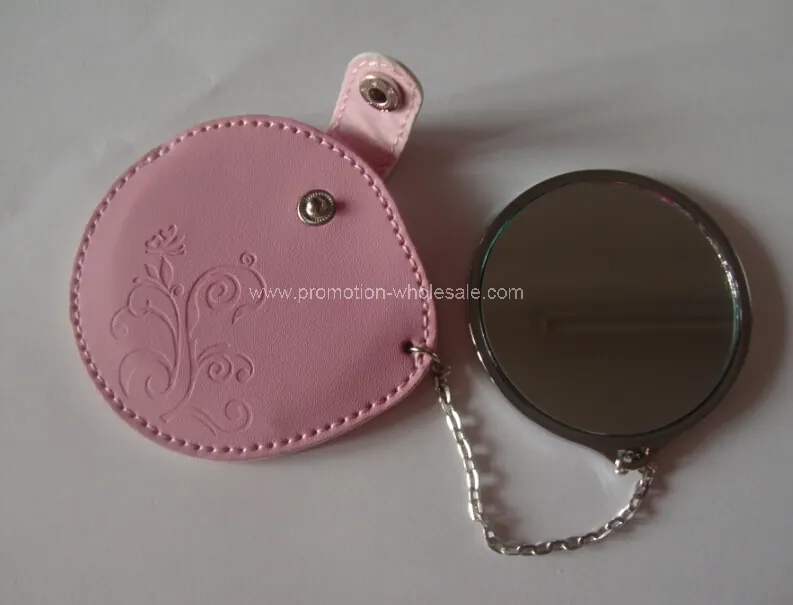
New Leather Pocket Cosmetic Mirror: a buyer’s assessment
An editorial assessment of New Leather Pocket Cosmetic Mirror, with practical questions about specifications, customisation and project fit.
Multifunctional Folding Comb with Mirror: a buyer’s assessment
An editorial assessment of Multifunctional Folding Comb with Mirror, with practical questions about specifications, customisation and project fit.
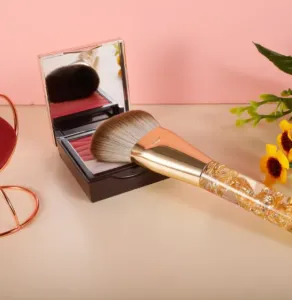
Custom Brush MOQs: Ask Which Choice Sets the Minimum
Understand quotation assumptions at component and variant level before committing to a custom brush order.
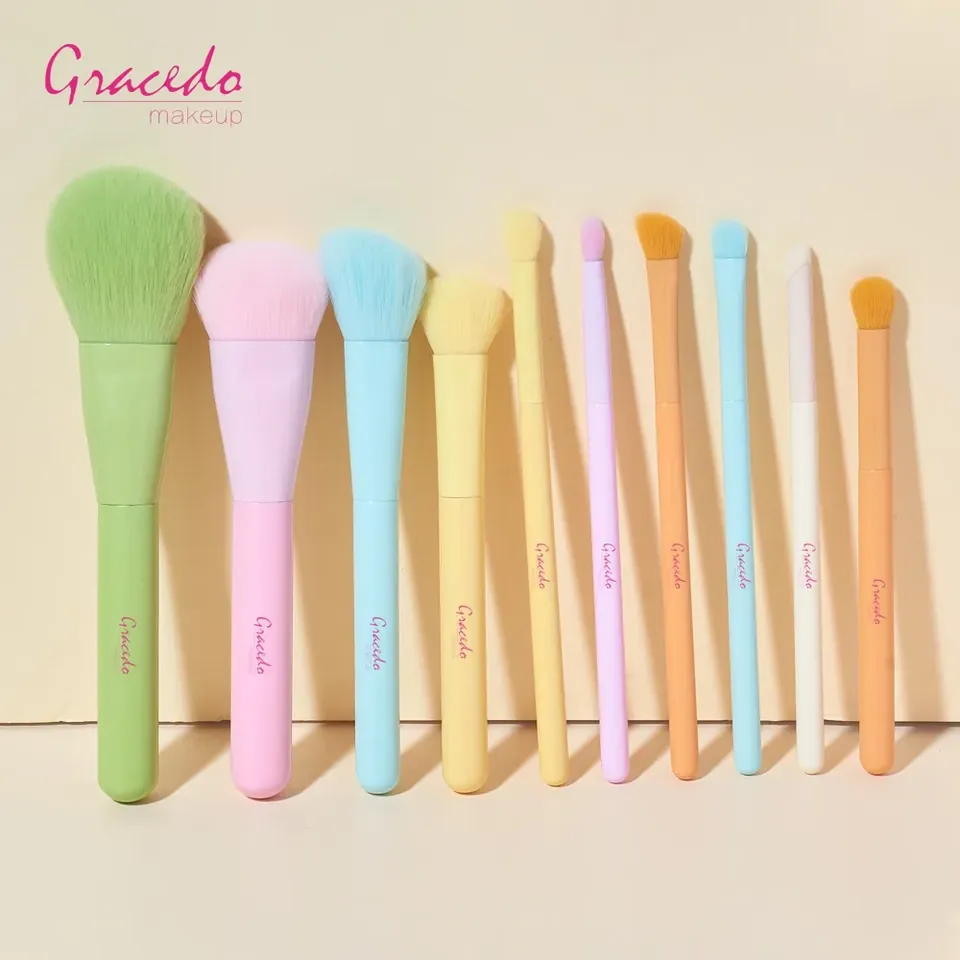
Use Supplier Design Support to Resolve Brush Tradeoffs
Technical support is most valuable when it helps a buyer decide between specific alternatives. A broad request for an innovative brush gives little direction.
Comments
No comments yet. Add a useful question or share your perspective.