OEM and ODM Beauty Tools: Clarify the Development Responsibility
Understand what a supplier’s proposal includes before treating a broad service description as a complete project plan.
Describe the starting point
Explain whether you want an existing tool with your branding, a modified stock design or a new product concept. Ask the supplier to identify the starting reference and the decisions still needed. Service labels can be interpreted differently, so a written scope is more useful than assuming that OEM or ODM automatically includes particular design work, samples or commercial rights.
Map the deliverables
List the drawings, physical samples, artwork proofs and product information expected at each stage. Ask who prepares and approves them and whether any charges apply. Keep functional review separate from packaging development. If several tool categories are proposed, give each its own reference so information about one product does not become an assumed specification for the rest.
Keep changes visible
Use a shared revision record that states what changed, why and which sample represents the current proposal. Confirm which files and information the buyer will receive when the project is complete. Before moving to an order, match the final scope, quotation and approved product. A clear responsibility map helps the team evaluate the service offered without relying on broad promises about one-stop sourcing or effortless customization.
Buyer checklist
- Define stock, modified or new development.
- List expected deliverables and approvals.
- Match the final scope to the selected product.
Our guides use documented product information and editorial research. Hands-on testing is stated only where it has actually been performed. How we work
You may also find useful
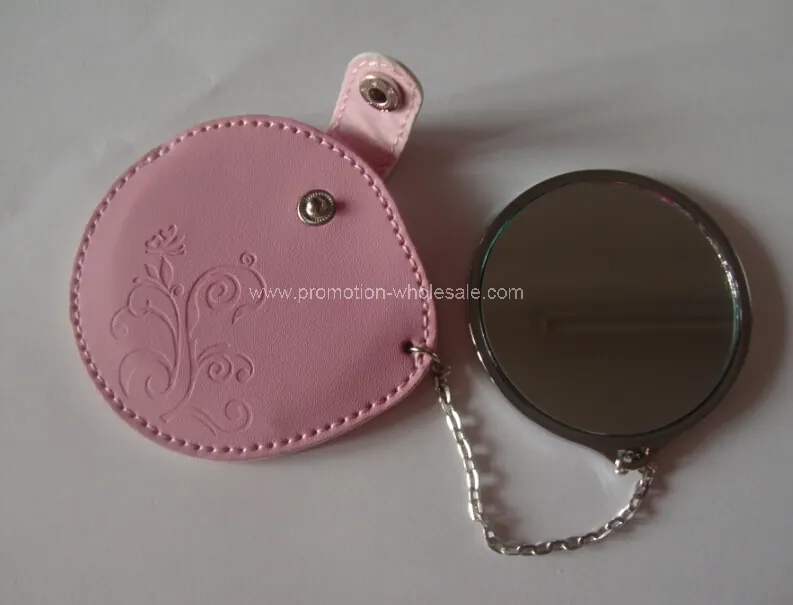
New Leather Pocket Cosmetic Mirror: a buyer’s assessment
An editorial assessment of New Leather Pocket Cosmetic Mirror, with practical questions about specifications, customisation and project fit.
Multifunctional Folding Comb with Mirror: a buyer’s assessment
An editorial assessment of Multifunctional Folding Comb with Mirror, with practical questions about specifications, customisation and project fit.
Custom Brush MOQs: Ask Which Choice Sets the Minimum
Understand quotation assumptions at component and variant level before committing to a custom brush order.
Use Supplier Design Support to Resolve Brush Tradeoffs
Technical support is most valuable when it helps a buyer decide between specific alternatives. A broad request for an innovative brush gives little direction.
Comments
No comments yet. Add a useful question or share your perspective.