OEM Brush Fiber Briefs: Use Exact Terminology
Ask for material descriptions that remain traceable from the sample to the finished retail product.
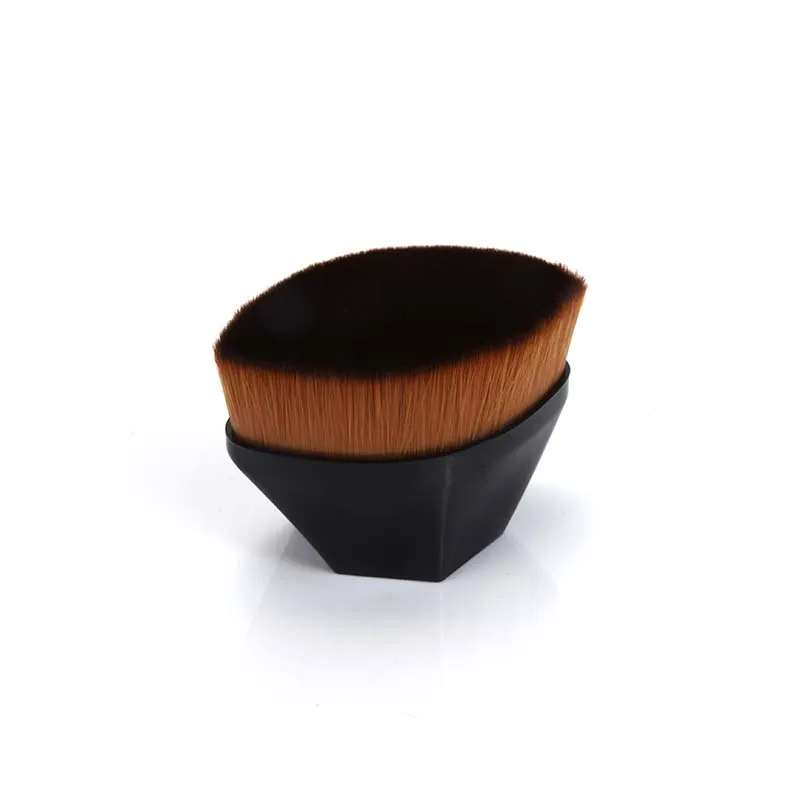
Clarify names that sound technical
Suppliers may use grade names or branded terms for fibers, and their meaning may vary between proposals. Ask for the material description behind the term and whether the head contains a blend. Keep the answer linked to the specific model. Do not assume that the same marketing name identifies an equivalent construction across unrelated catalogs or that a higher-sounding grade establishes a universal benefit.
Review the assembled head
Material information matters, but the brush also has dimensions, shape and a particular fiber arrangement. Compare complete samples with the intended cosmetics and application tasks. Record handling observations in context rather than attributing every difference to the fiber description alone. If a performance or suitability claim is proposed, request relevant support for the finished product instead of inferring it from a loose material category.
Keep material wording current
Store the approved description with the sample and artwork references. If animal-free or another composition statement is central to the brand, clarify its scope across the assembled product. Ask suppliers to propose material substitutions before they are used. Review the product page and care information whenever the specification changes so an earlier description is not carried forward without confirmation.
Buyer checklist
- Ask what each fiber term represents.
- Compare complete heads in context.
- Review wording before material substitutions.
Our guides use documented product information and editorial research. Hands-on testing is stated only where it has actually been performed. How we work
You may also find useful
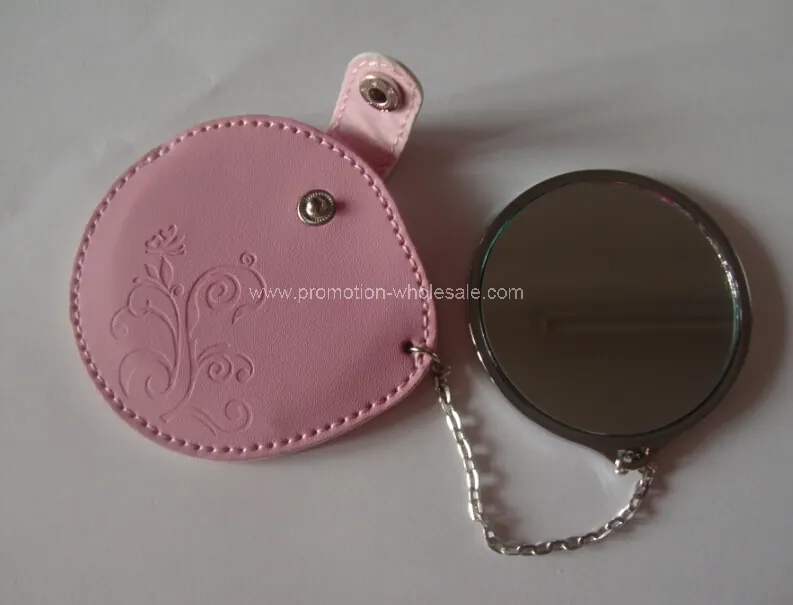
New Leather Pocket Cosmetic Mirror: a buyer’s assessment
An editorial assessment of New Leather Pocket Cosmetic Mirror, with practical questions about specifications, customisation and project fit.
Multifunctional Folding Comb with Mirror: a buyer’s assessment
An editorial assessment of Multifunctional Folding Comb with Mirror, with practical questions about specifications, customisation and project fit.
Custom Brush MOQs: Ask Which Choice Sets the Minimum
Understand quotation assumptions at component and variant level before committing to a custom brush order.
Use Supplier Design Support to Resolve Brush Tradeoffs
Technical support is most valuable when it helps a buyer decide between specific alternatives. A broad request for an innovative brush gives little direction.
Comments
No comments yet. Add a useful question or share your perspective.