Private Label Makeup Brushes: Separate Product and Brand Decisions
Private labeling is most manageable when the brush specification and brand presentation are reviewed as connected but distinct parts of the project.
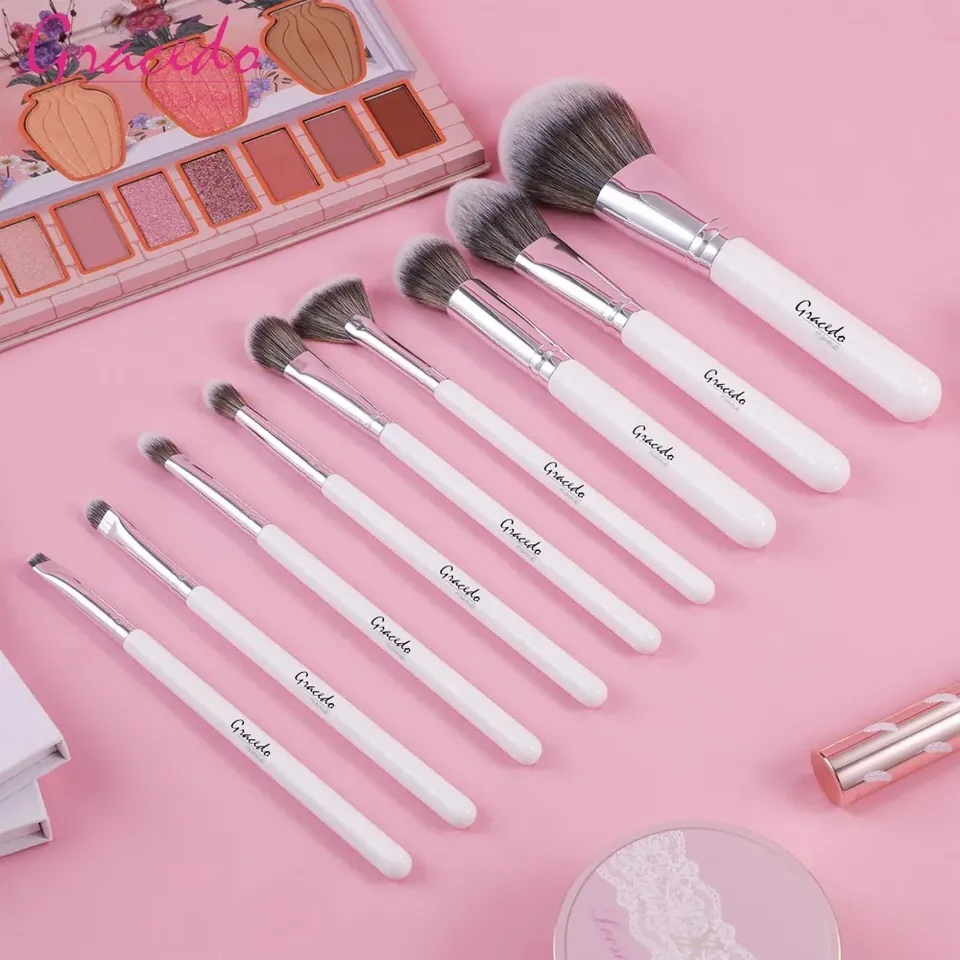
Private labeling is most manageable when the brush specification and brand presentation are reviewed as connected but distinct parts of the project.
Freeze the working tool first
Decide on the head shape, fiber declaration, dimensions, handle and ferrule before judging logo alternatives. If the tool changes after artwork approval, the print area or packaging fit may change too.
Keep a component list that applies to the particular model. A manufacturer’s broad catalog description is not a substitute for the exact construction you are ordering.
Cost the customization layers
Ask for individual costs and minimum quantities for color changes, decoration, inserts and retail cartons. A standard brush with a custom logo may have a different production path from a new head shape or molded handle.
Compare those options against the launch objective. A modest customization can still create a consistent range when the colors, identification and packaging work together.
Control repeat orders
Retain artwork versions, material references and a physical approval sample. Agree on how the supplier will notify you before changing a component or subcontracted finish. When replenishing, reference the approved version explicitly rather than asking for the same item and assuming everyone has retained the same record.
Before approving the order
- Approve tool construction before decoration.
- Separate setup charges from unit prices.
- Keep a revision record for replenishment.
Our guides use documented product information and editorial research. Hands-on testing is stated only where it has actually been performed. How we work
You may also find useful
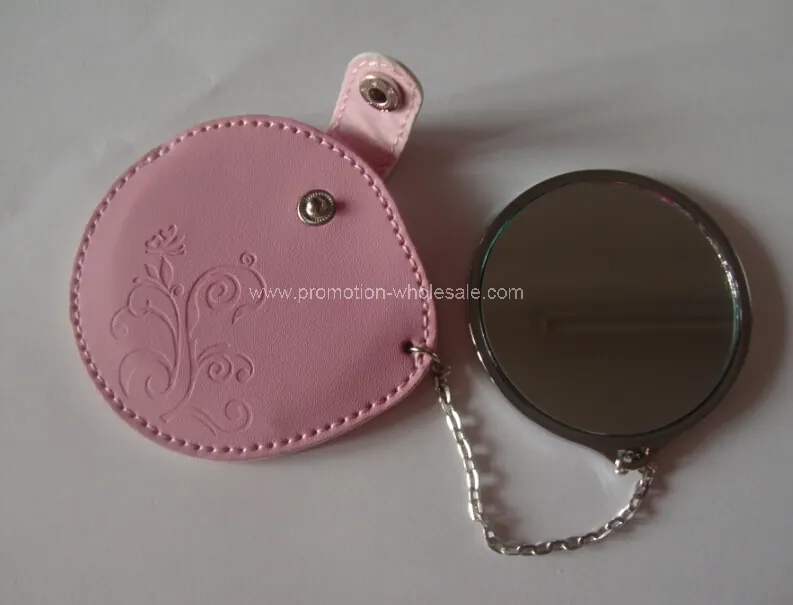
New Leather Pocket Cosmetic Mirror: a buyer’s assessment
An editorial assessment of New Leather Pocket Cosmetic Mirror, with practical questions about specifications, customisation and project fit.

Multifunctional Folding Comb with Mirror: a buyer’s assessment
An editorial assessment of Multifunctional Folding Comb with Mirror, with practical questions about specifications, customisation and project fit.
Custom Brush MOQs: Ask Which Choice Sets the Minimum
Understand quotation assumptions at component and variant level before committing to a custom brush order.
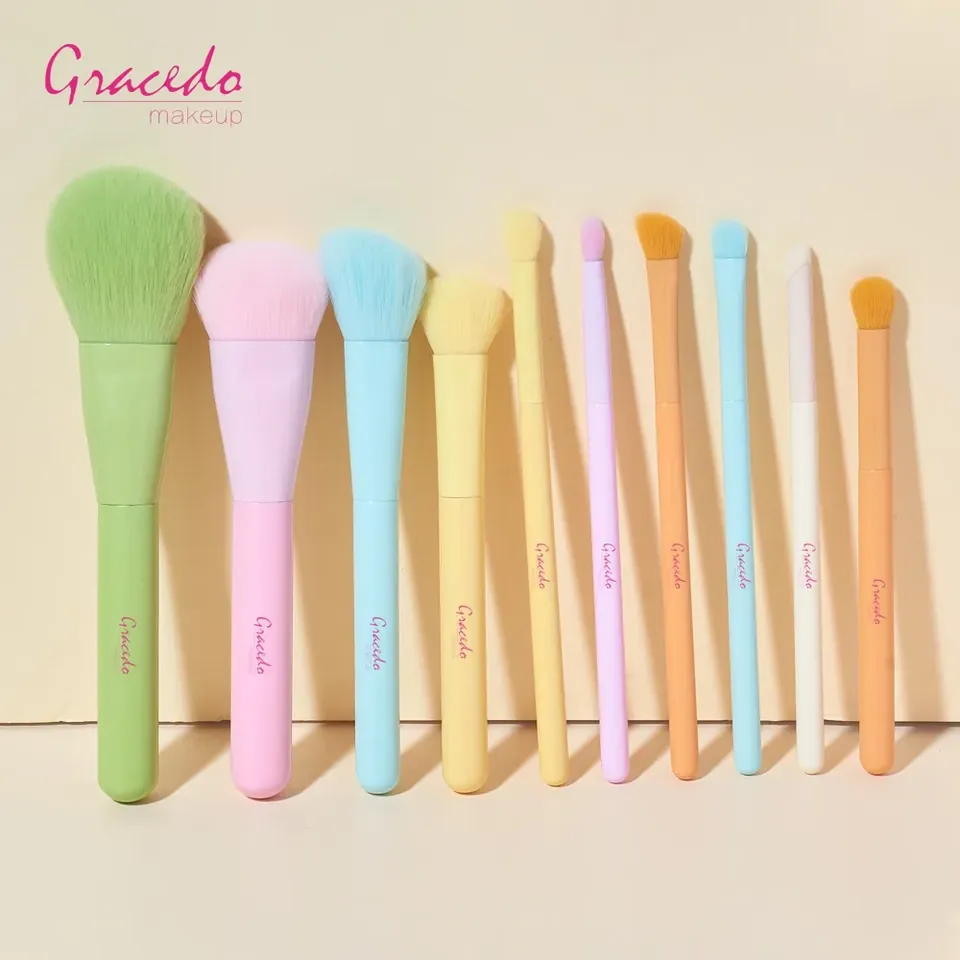
Use Supplier Design Support to Resolve Brush Tradeoffs
Technical support is most valuable when it helps a buyer decide between specific alternatives. A broad request for an innovative brush gives little direction.
Comments
No comments yet. Add a useful question or share your perspective.