Professional Lip Brushes: Specify the Detail Work
Choose a lip brush through its intended task and complete configuration rather than a broad professional label.
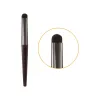
Define the detail requirement
Explain whether the tool is intended for outlining, filling or another specific part of the lip application routine. Request head dimensions and close-up images from multiple angles. Ask for the exact material description and model reference. The word professional does not tell the buying team what makes one proposed brush different from another or which sample should be used as the development starting point.
Review control and storage separately
Evaluate the head with the intended cosmetics and relevant instructions, recording individual handling observations. If the product includes a cap or retractable mechanism, inspect that format independently. A useful head does not automatically approve its cover, and a convenient portable design does not resolve questions about the working brush. Keep feedback specific enough that a revision request can address the right component.
Complete the product information
Review handle markings, retail names and care guidance alongside the assembled sample. Confirm that any decorated version uses the approved construction. Keep the specification and artwork references together and ask for proposed changes before repeat production. A well-defined detail tool is easier to explain when the public description follows verified features instead of promising a particular artistic result for every user.
Buyer checklist
- Describe the intended lip application task.
- Review the head and storage format independently.
- Keep decorated samples tied to the approved construction.
Our guides use documented product information and editorial research. Hands-on testing is stated only where it has actually been performed. How we work
You may also find useful
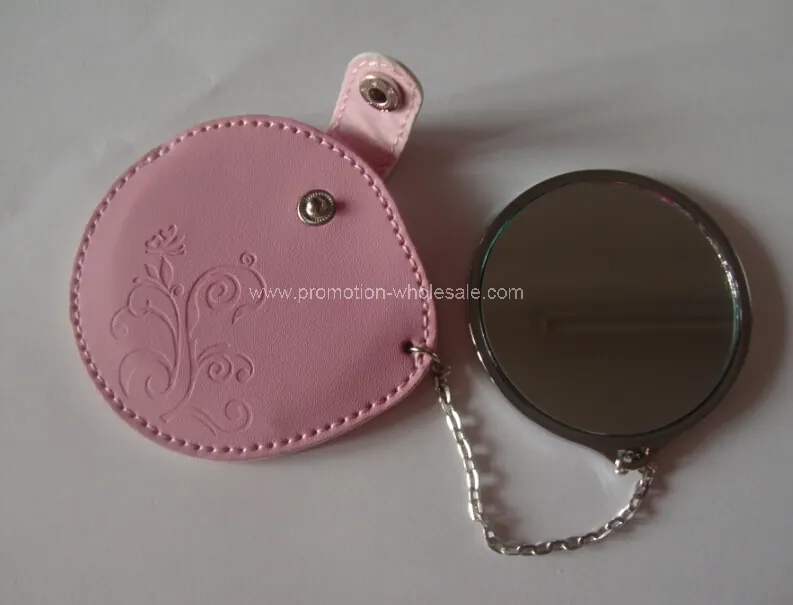
New Leather Pocket Cosmetic Mirror: a buyer’s assessment
An editorial assessment of New Leather Pocket Cosmetic Mirror, with practical questions about specifications, customisation and project fit.

Multifunctional Folding Comb with Mirror: a buyer’s assessment
An editorial assessment of Multifunctional Folding Comb with Mirror, with practical questions about specifications, customisation and project fit.
Custom Brush MOQs: Ask Which Choice Sets the Minimum
Understand quotation assumptions at component and variant level before committing to a custom brush order.
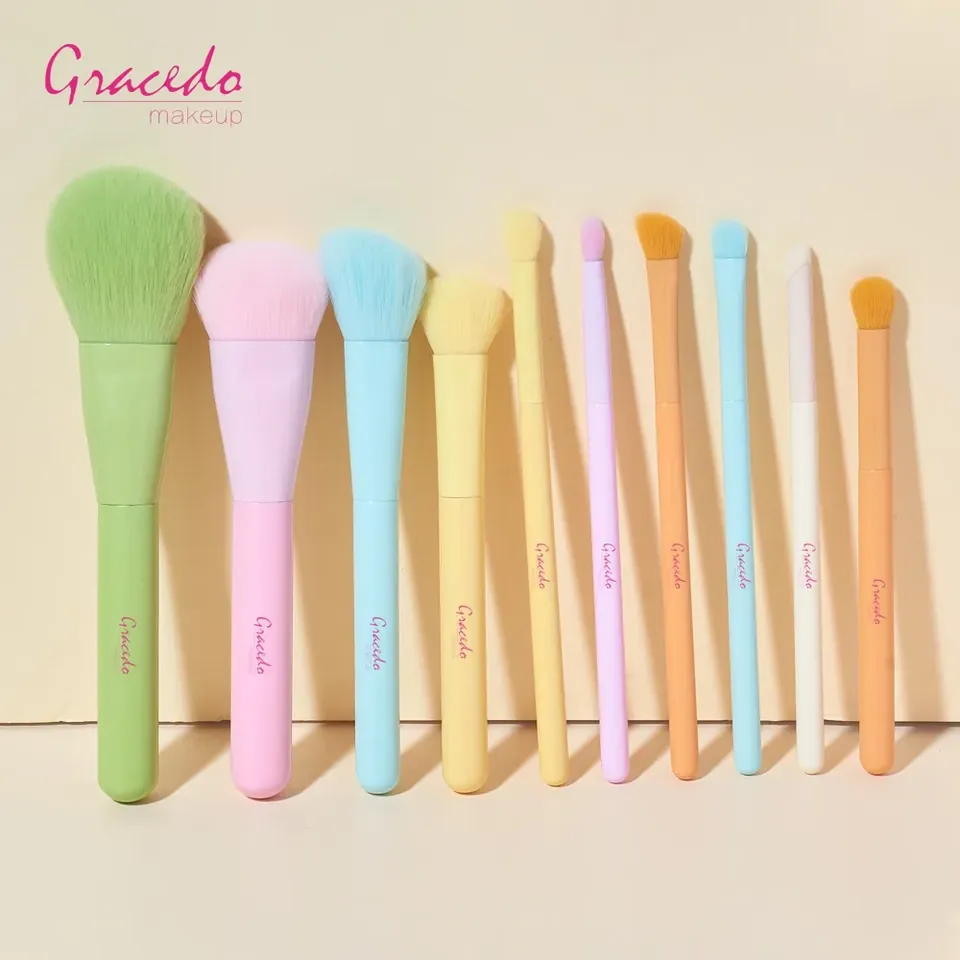
Use Supplier Design Support to Resolve Brush Tradeoffs
Technical support is most valuable when it helps a buyer decide between specific alternatives. A broad request for an innovative brush gives little direction.
Comments
No comments yet. Add a useful question or share your perspective.