Promotional tote bags: what to compare before ordering
Compare tote dimensions, fabric, handles, decoration and packing so the bag matches its intended use.
Work backwards from the contents
Begin with the largest object the bag needs to hold. A tote intended for an event folder needs a different opening and usable depth from one intended for shopping or a bottle-and-notebook kit. Request finished dimensions and clarify whether any gusset is included in the measurement.
A photograph can make bags with different dimensions look similar. If capacity matters, use a physical sample with the actual objects you intend to pack. Check whether the top can close comfortably and whether the contents strain the seams or handles.
Treat material descriptions as a starting point
Cotton, canvas, nonwoven fabric and recycled-content textiles describe different product families, but a material name alone does not establish durability. Ask about the specific construction, material weight where available, seams and intended loading. Avoid assuming that every bag in a family performs the same way.
If recycled content, organic material or another environmental attribute is essential, request documentation for the exact product and production arrangement. Do not transfer a claim from a supplier brochure to every item in an order.
Look closely at handles and decoration
Consider how long the recipient may carry the bag and whether it will be carried by hand or over the shoulder. Check the handle length, attachment points and how they feel when the bag contains its intended contents.
Place the artwork where it remains visible when the bag is filled. Seams, gussets, pockets and closures can reduce the usable imprint area. A proof should identify the print position and dimensions rather than showing only a logo floating over a product photograph.
Check the packed result
Ask how the bags will be folded, grouped and packed. If the tote itself becomes gift packaging, test the complete kit and allow time for assembly. Record an approved sample or agreed specification so that the final goods can be checked against the same reference.
Our guides use documented product information and editorial research. Hands-on testing is stated only where it has actually been performed. How we work
You may also find useful
Checking material and sustainability claims in gift catalogues
Ask product-specific questions before using environmental claims in a promotional campaign.
Trade-show giveaways: choose products around distribution
Plan useful event gifts with a realistic packing, storage and handout process.
Business travel gifts: focus on compact, practical details
Compare pouches, organisers, luggage accessories and travel-oriented gift items through their everyday use.
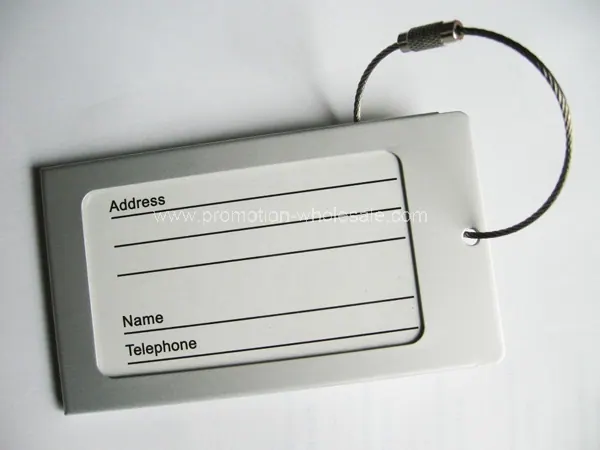
2014 Luggage Tag: a buyer’s assessment
An editorial assessment of 2014 Luggage Tag, with practical questions about specifications, customisation and project fit.
Comments
No comments yet. Add a useful question or share your perspective.