Rush Foundation Brush Orders: Clarify the Critical Path
Review the unfinished decisions in an urgent brush project before accepting an optimistic schedule.

List what is genuinely ready
Separate the approved brush construction from artwork, packaging and commercial details that remain open. Confirm which sample represents the final product and whether any custom component still needs review. A rush request does not remove those decisions. Write them down so the buying team can see whether the proposed order is ready to plan or is still a development project.
Ask which choices affect the schedule
Request an explanation of the dependencies in the supplier’s proposal. Clarify whether an existing handle or standard pack offers a relevant alternative, and record the differences explicitly. Keep tentative estimates distinct from confirmed commitments. Avoid turning a broad statement about production capacity into a guarantee that a particular customized order can be completed by a desired date.
Keep approval authority clear
Decide who can approve revisions and make sure the supplier receives one consolidated response. Retain current files in a shared location so an urgent handover does not revive an outdated proof. Before proceeding, confirm the selected configuration and remaining assumptions in writing. A clear critical-path discussion helps the team make deliberate trade-offs instead of allowing urgency to conceal changes to the product.
Buyer checklist
- Identify every unfinished approval.
- Compare schedule alternatives as different proposals.
- Use one current file set and approval contact.
Our guides use documented product information and editorial research. Hands-on testing is stated only where it has actually been performed. How we work
You may also find useful
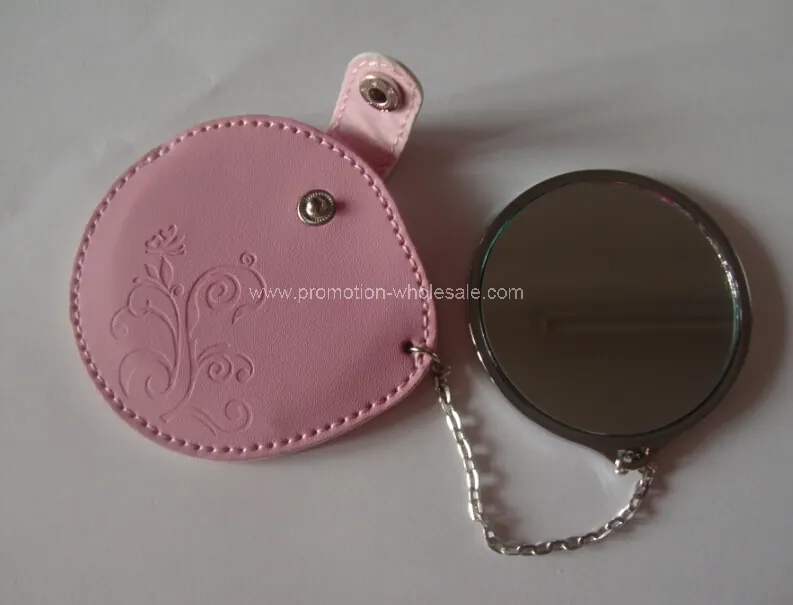
New Leather Pocket Cosmetic Mirror: a buyer’s assessment
An editorial assessment of New Leather Pocket Cosmetic Mirror, with practical questions about specifications, customisation and project fit.
Multifunctional Folding Comb with Mirror: a buyer’s assessment
An editorial assessment of Multifunctional Folding Comb with Mirror, with practical questions about specifications, customisation and project fit.

Custom Brush MOQs: Ask Which Choice Sets the Minimum
Understand quotation assumptions at component and variant level before committing to a custom brush order.
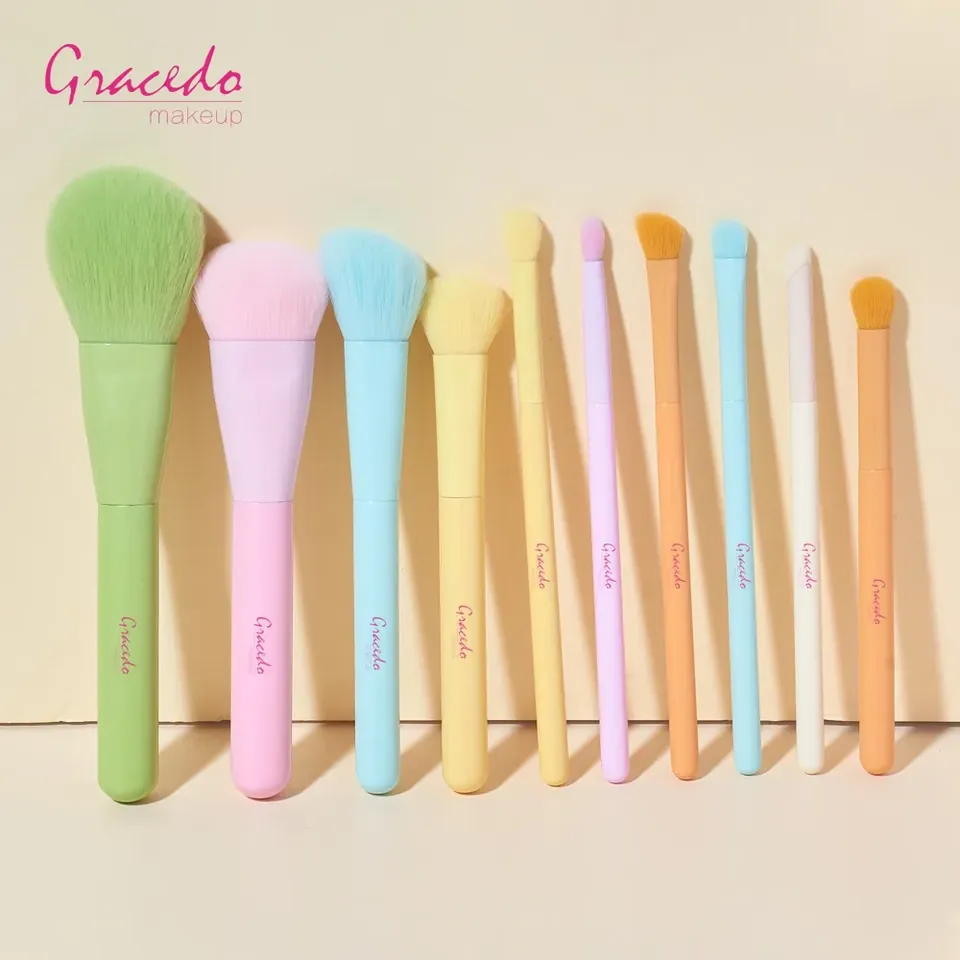
Use Supplier Design Support to Resolve Brush Tradeoffs
Technical support is most valuable when it helps a buyer decide between specific alternatives. A broad request for an innovative brush gives little direction.
Comments
No comments yet. Add a useful question or share your perspective.