Scaling Wholesale Brush Orders with Clear Replenishment Records
A growing brush range needs a repeatable replenishment process. Supplier history and product breadth are useful context, but each repeat order should point to a current reference.

A growing brush range needs a repeatable replenishment process. Supplier history and product breadth are useful context, but each repeat order should point to a current reference.
Keep a living product file
Maintain the approved drawing, component declaration, artwork, packaging layout and retained sample for every model. Record changes as dated revisions. A product name alone is not enough when a range gains new colors or sizes, especially if the supplier offers several similar heads under one collection.
Confirm the current commercial terms
Request a fresh quotation for the selected quantities and variants. Check minimums, setup charges and lead-time dependencies rather than assuming the first order’s terms remain unchanged. Identify any discontinued material or packaging component early, so alternatives can be sampled and approved before the replenishment schedule becomes urgent.
Use feedback to guide controlled improvement
Track complaints and inspection findings by model and lot. Discuss a specific corrective action or design revision with the supplier when needed, and verify it before applying it across the range. Keep improved versions distinguishable from earlier stock. This supports consistent growth without rewriting a manufacturer’s capacity or history as the brand’s own capability.
Before approving the order
- Retain current item-level approval records.
- Reconfirm terms and component availability.
- Link improvements to models and lots.
Our guides use documented product information and editorial research. Hands-on testing is stated only where it has actually been performed. How we work
You may also find useful
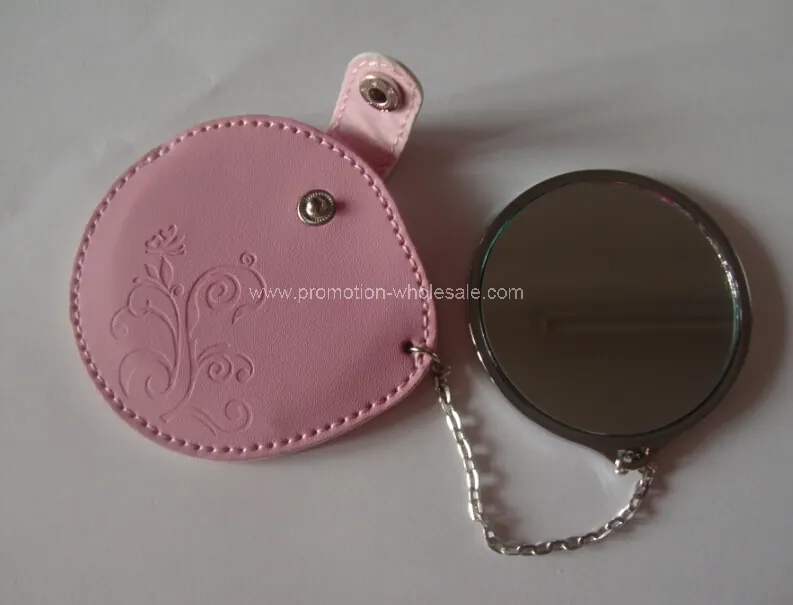
New Leather Pocket Cosmetic Mirror: a buyer’s assessment
An editorial assessment of New Leather Pocket Cosmetic Mirror, with practical questions about specifications, customisation and project fit.

Multifunctional Folding Comb with Mirror: a buyer’s assessment
An editorial assessment of Multifunctional Folding Comb with Mirror, with practical questions about specifications, customisation and project fit.

Custom Brush MOQs: Ask Which Choice Sets the Minimum
Understand quotation assumptions at component and variant level before committing to a custom brush order.
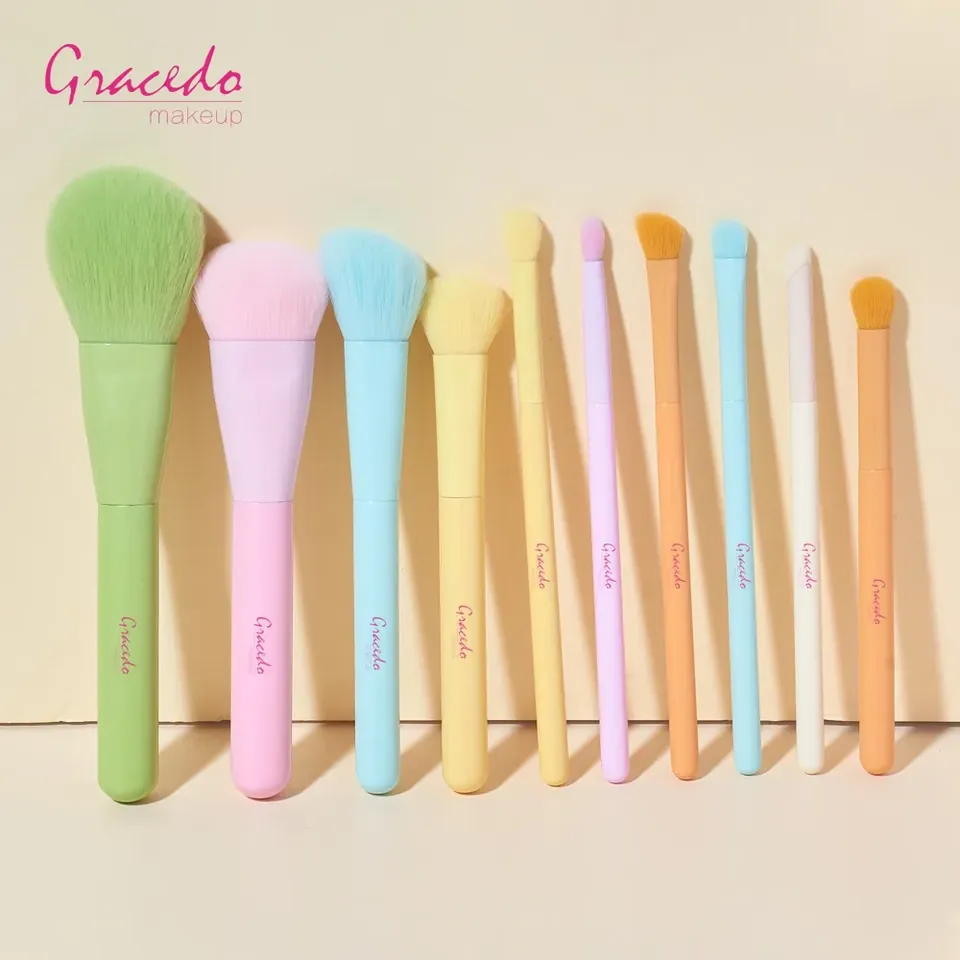
Use Supplier Design Support to Resolve Brush Tradeoffs
Technical support is most valuable when it helps a buyer decide between specific alternatives. A broad request for an innovative brush gives little direction.
Comments
No comments yet. Add a useful question or share your perspective.