Selecting Brush Bag Shapes for Retail and Travel
Rectangular cases, cylindrical holders and soft bags solve different storage problems. Choose the format around the assortment and customer routine.
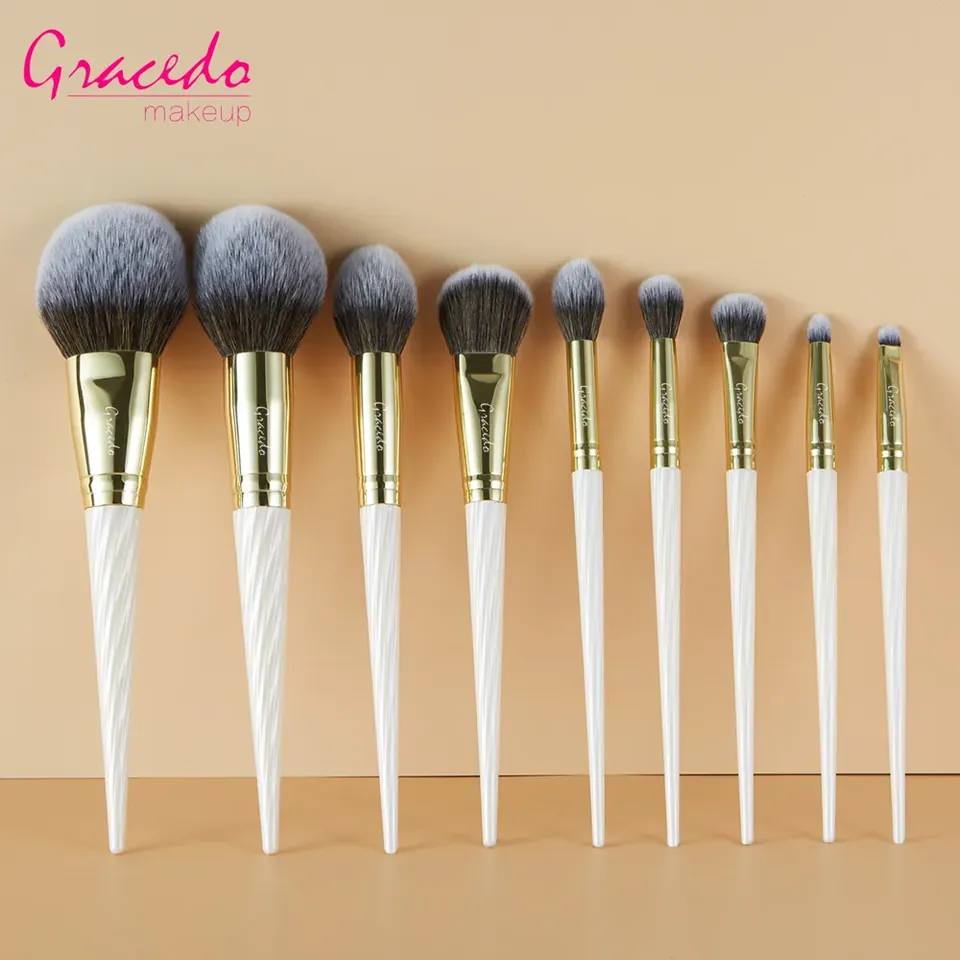
Rectangular cases, cylindrical holders and soft bags solve different storage problems. Choose the format around the assortment and customer routine.
Compare the filled formats
Ask for samples containing the actual brushes. A rectangular layout can display tools clearly, while a cylindrical format changes how tools are grouped and retrieved. Compare access, closure and the space occupied when the bag is open.
Check the longest handle and widest head in each option. External dimensions do not reveal how much working room remains after lining and pockets are added.
Review decoration in context
Patterns, lettering and decorative elements should be evaluated on a finished, filled sample. A design that looks centered on a flat panel can shift visually when the bag curves or folds.
If embellishments are proposed, inspect how they are secured and whether they catch on tools or adjacent packaging. Keep practical requirements alongside the visual brief.
Clarify the supply format
Confirm whether the bag is quoted alone or assembled with brushes. Ask about separate minimum quantities for material, print and shape variations. Use a consistent product code for each combination so that a replacement order identifies the right size and pattern, rather than relying on a photograph or an informal color name.
Before approving the order
- Compare bags while filled.
- Inspect curved and folded artwork placement.
- Specify whether supply includes set assembly.
Our guides use documented product information and editorial research. Hands-on testing is stated only where it has actually been performed. How we work
You may also find useful
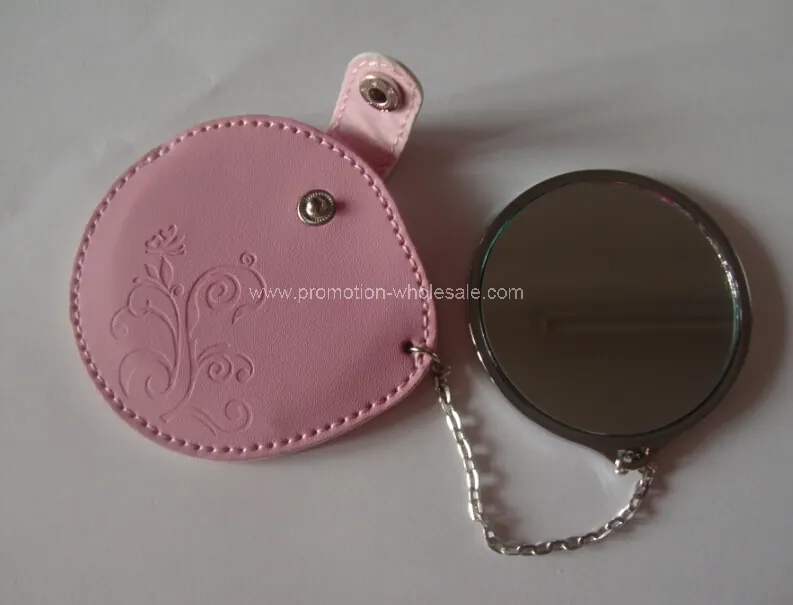
New Leather Pocket Cosmetic Mirror: a buyer’s assessment
An editorial assessment of New Leather Pocket Cosmetic Mirror, with practical questions about specifications, customisation and project fit.
Multifunctional Folding Comb with Mirror: a buyer’s assessment
An editorial assessment of Multifunctional Folding Comb with Mirror, with practical questions about specifications, customisation and project fit.
Custom Brush MOQs: Ask Which Choice Sets the Minimum
Understand quotation assumptions at component and variant level before committing to a custom brush order.
Use Supplier Design Support to Resolve Brush Tradeoffs
Technical support is most valuable when it helps a buyer decide between specific alternatives. A broad request for an innovative brush gives little direction.
Comments
No comments yet. Add a useful question or share your perspective.