Silicone Makeup Tools: Ask for Evidence Behind Hygiene Claims
Separate silicone material descriptions, cleaning guidance and antimicrobial claims during supplier review.
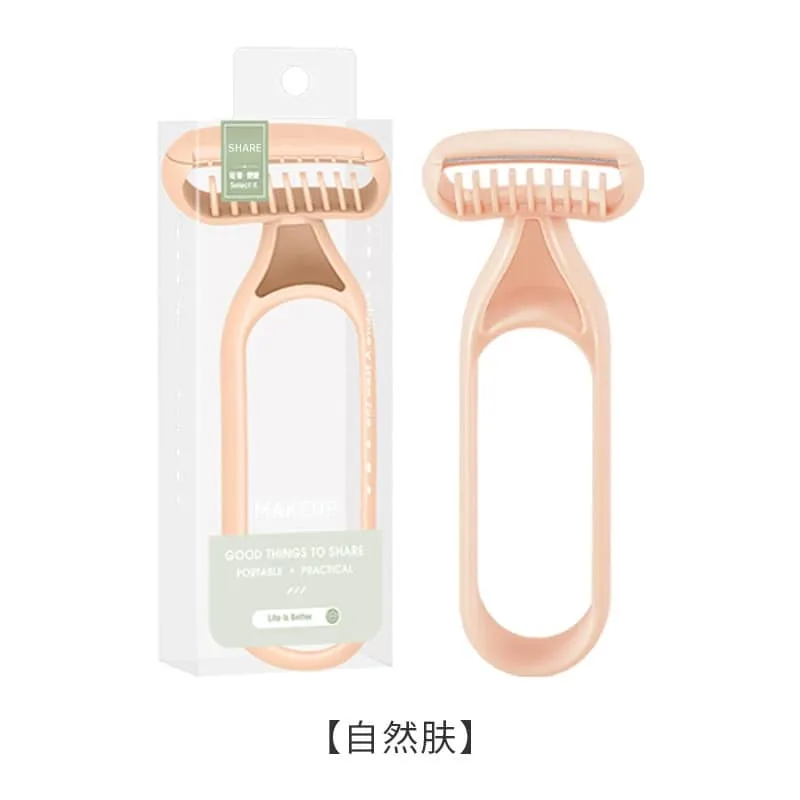
Describe the tool before its claims
Start with the silicone accessory’s intended task, dimensions and finished construction. Ask for the material description and identify any additional components or surface treatments. Request a representative sample rather than relying on a generic material presentation. A smooth-looking item or a named molding process does not, by itself, demonstrate a specific hygiene benefit for the product being purchased.
Treat antimicrobial wording as a separate review
If a supplier proposes statements about resisting bacterial growth, ask for documentation that identifies the finished item, assessment conditions and scope of the result. Do not infer that a material ingredient makes the product sterile or suitable for sensitive skin. Keep any proposed wording off the package until the claim has been reviewed for the exact product and destination market.
Make ordinary care information clear
Obtain cleaning, drying and storage instructions for the approved construction, including any limitations. Review the usability of that guidance on a small retail pack. During sample selection, inspect seams, edges and surface consistency as product details, without treating appearance as a substitute for evidence. Keep material information and claim documentation linked to the current sample so substitutions prompt a fresh review.
Buyer checklist
- Identify the finished construction and sample.
- Request product-specific claim documentation.
- Approve clear cleaning and storage instructions.
Our guides use documented product information and editorial research. Hands-on testing is stated only where it has actually been performed. How we work
You may also find useful
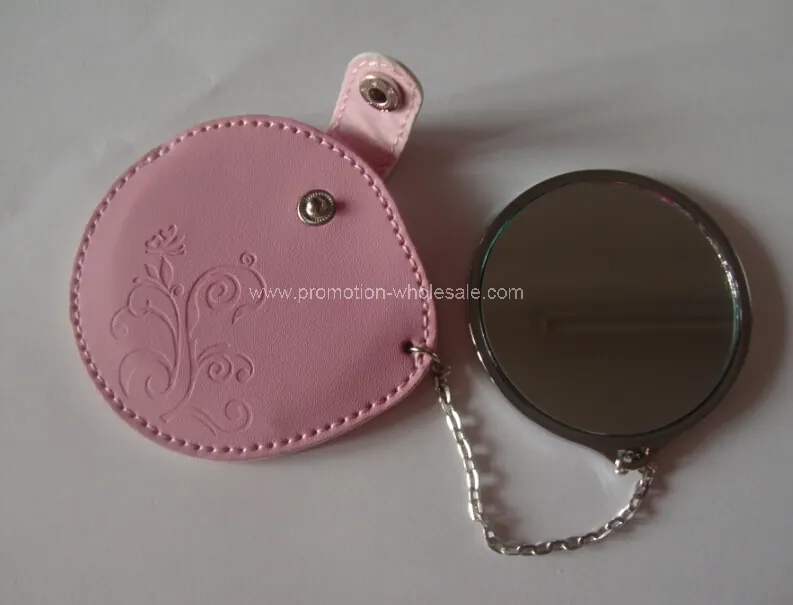
New Leather Pocket Cosmetic Mirror: a buyer’s assessment
An editorial assessment of New Leather Pocket Cosmetic Mirror, with practical questions about specifications, customisation and project fit.
Multifunctional Folding Comb with Mirror: a buyer’s assessment
An editorial assessment of Multifunctional Folding Comb with Mirror, with practical questions about specifications, customisation and project fit.
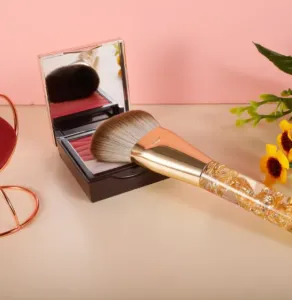
Custom Brush MOQs: Ask Which Choice Sets the Minimum
Understand quotation assumptions at component and variant level before committing to a custom brush order.
Use Supplier Design Support to Resolve Brush Tradeoffs
Technical support is most valuable when it helps a buyer decide between specific alternatives. A broad request for an innovative brush gives little direction.
Comments
No comments yet. Add a useful question or share your perspective.