Sponge Density Descriptions: Ask What the Numbers Refer To
Make sponge sample comparisons more useful by connecting material terminology with dimensions and intended care.
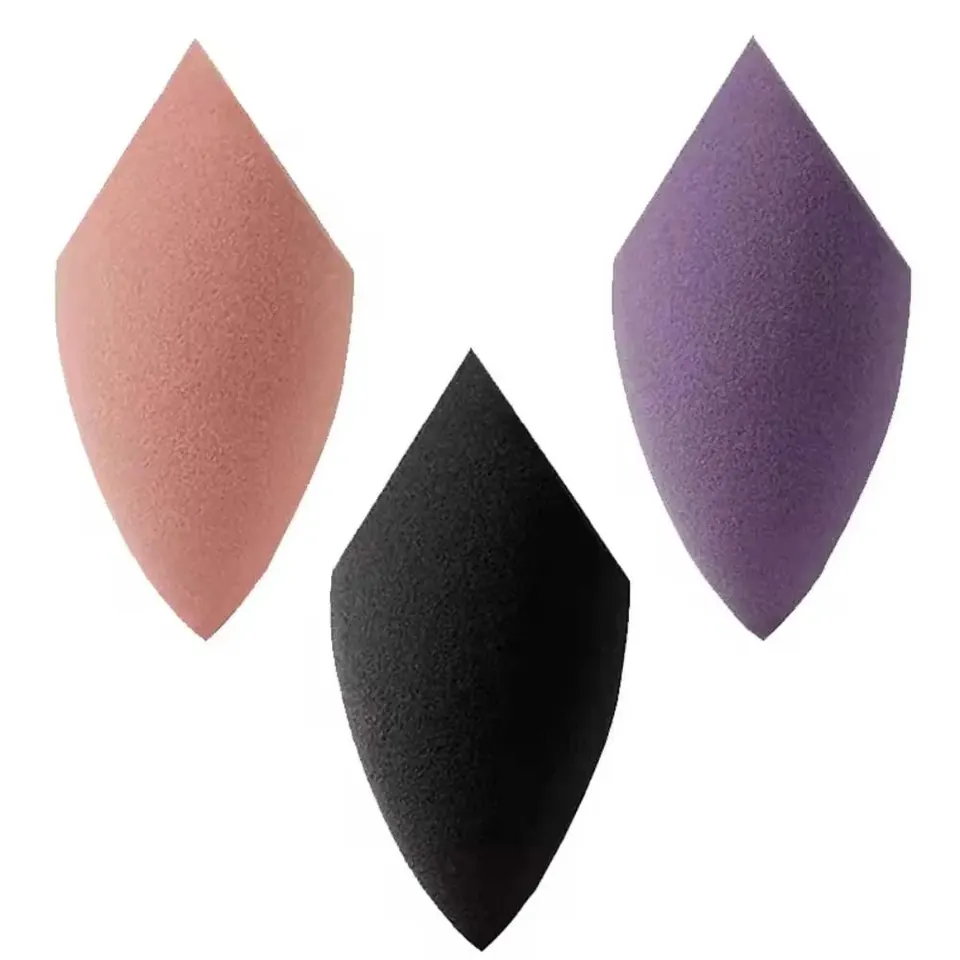
Clarify the description
A supplier may use density language as a measured property, a product grade or a marketing label. Ask which meaning applies to the proposed sponge and what information is available for that exact item. Request the material description, dimensions and intended wet or dry use. Do not assume that a higher-sounding grade establishes longer life, lower absorption or a particular application result.
Keep comparisons controlled
Give evaluators clearly identified samples and the same intended cosmetics and instructions. Record handling preferences and visible changes without treating them as a formal lifetime assessment. If samples differ in shape as well as material, note both differences rather than attributing every observation to density alone. Ask follow-up questions when the supplier’s terminology does not explain what the team is seeing.
Connect care and packaging to the choice
Obtain cleaning, drying and storage guidance for the approved construction. Review how the sponge arrives in its proposed pack and whether shoppers can identify the variant. Keep the sample reference, supplier description and care wording in the same product file. A later substitution should trigger another review instead of inheriting the original item’s public description automatically.
Buyer checklist
- Ask whether density wording is measured or descriptive.
- Record all differences between compared samples.
- Link care guidance to the approved model.
Our guides use documented product information and editorial research. Hands-on testing is stated only where it has actually been performed. How we work
You may also find useful
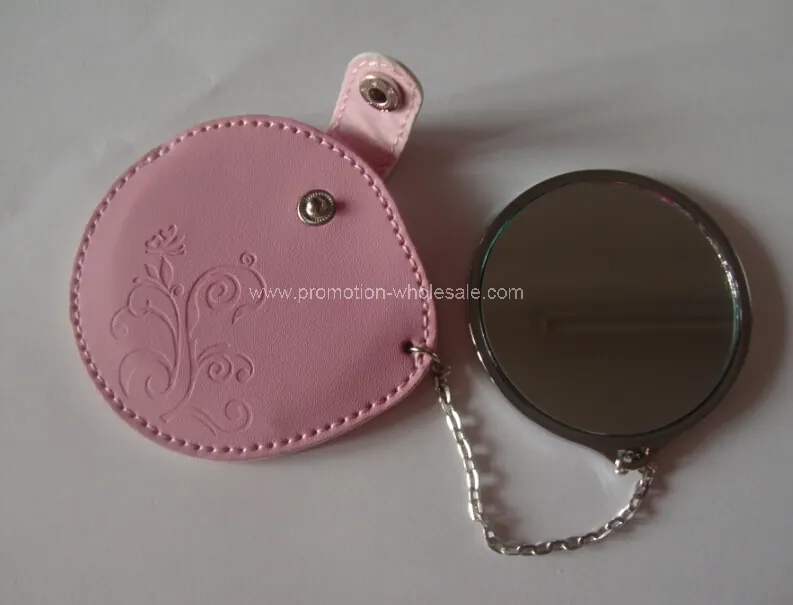
New Leather Pocket Cosmetic Mirror: a buyer’s assessment
An editorial assessment of New Leather Pocket Cosmetic Mirror, with practical questions about specifications, customisation and project fit.

Multifunctional Folding Comb with Mirror: a buyer’s assessment
An editorial assessment of Multifunctional Folding Comb with Mirror, with practical questions about specifications, customisation and project fit.

Custom Brush MOQs: Ask Which Choice Sets the Minimum
Understand quotation assumptions at component and variant level before committing to a custom brush order.
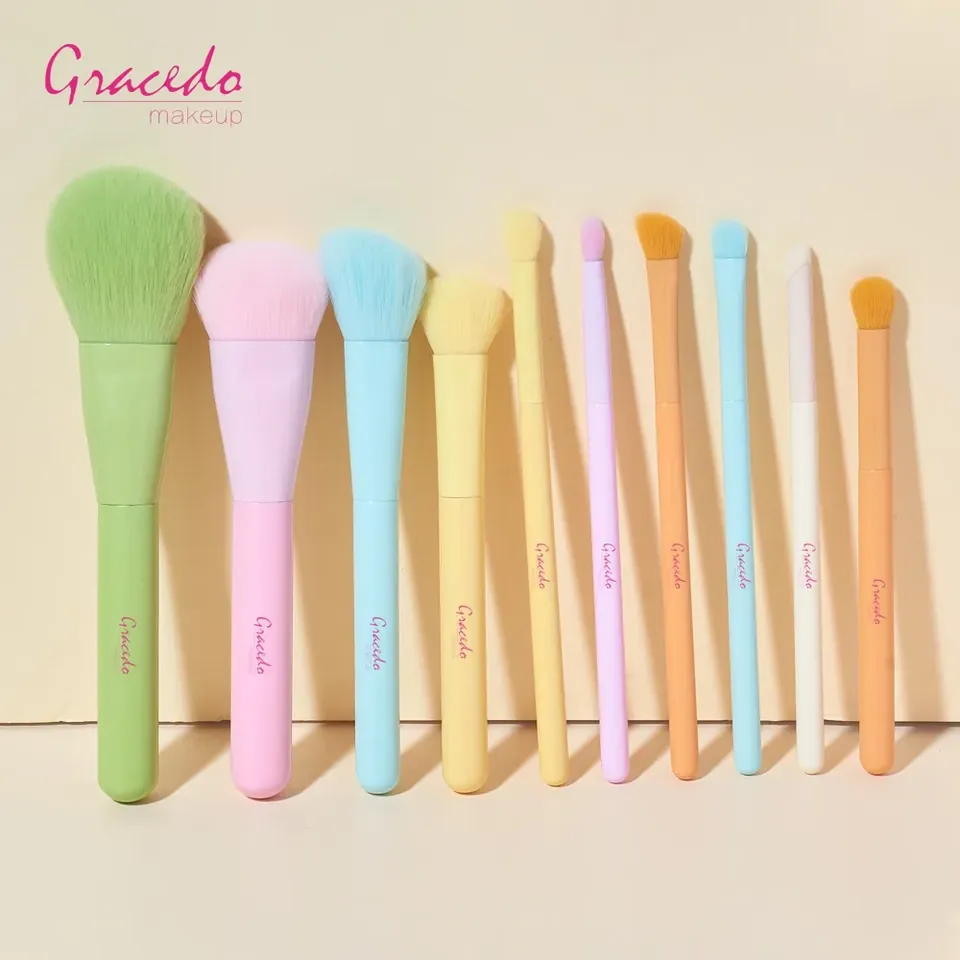
Use Supplier Design Support to Resolve Brush Tradeoffs
Technical support is most valuable when it helps a buyer decide between specific alternatives. A broad request for an innovative brush gives little direction.
Comments
No comments yet. Add a useful question or share your perspective.