Stippling Brush Consistency: Specify the Fiber Structure
Stippling heads can combine fibers of different exposed lengths. Their behavior depends on the finished structure rather than a universally correct density ratio.
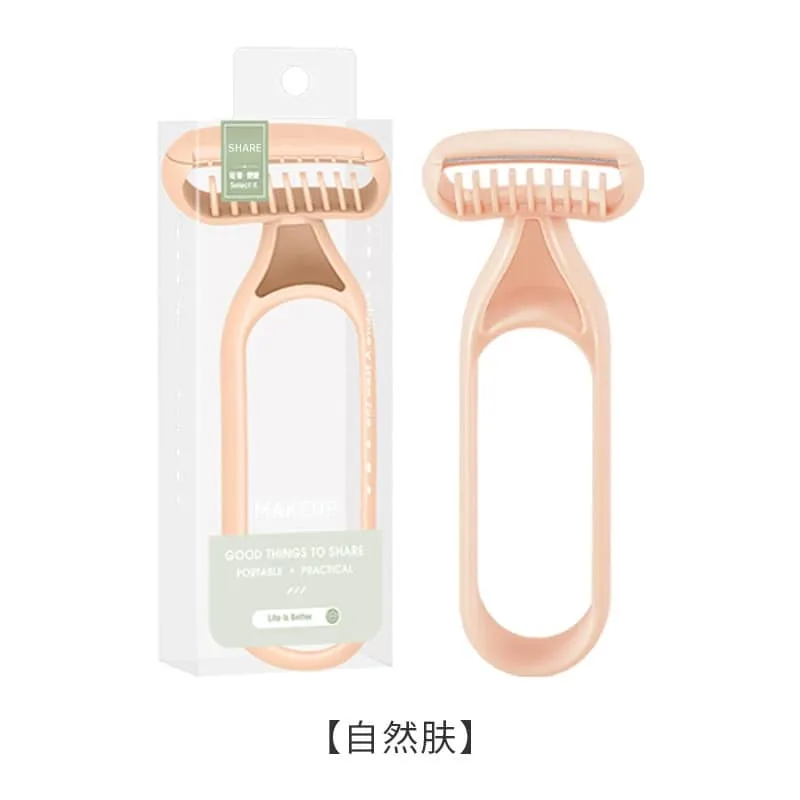
Stippling heads can combine fibers of different exposed lengths. Their behavior depends on the finished structure rather than a universally correct density ratio.
Describe the intended head
Record overall width, height and the visible relationship between shorter and longer fibers. Ask for a drawing and physical reference made with the proposed production materials.
Do not adopt numerical ratios or force thresholds from a promotional article as universal requirements. A useful target needs a defined test method and relevance to the particular brush.
Compare behavior with the intended formula
Use representative textures and a consistent evaluation routine. Note how the longer fibers contact the surface and how the bundle returns after normal pressure.
Inspect for uneven distribution and stray fibers as well as the overall softness. A head can look symmetrical from above while showing irregular exposure from the side.
Control bonding and later production
Ask how head formation, adhesive application and ferrule assembly are checked. Follow the recommended care routine when comparing a used sample with a retained new one. Agree on repeatable inspections for bulk production, keeping the method and acceptance criteria with the approved specification instead of relying on an undefined high-performance label.
Before approving the order
- Record the dual-length geometry.
- Use defined sample methods rather than universal ratios.
- Inspect structure, assembly and care-related changes.
Our guides use documented product information and editorial research. Hands-on testing is stated only where it has actually been performed. How we work
You may also find useful
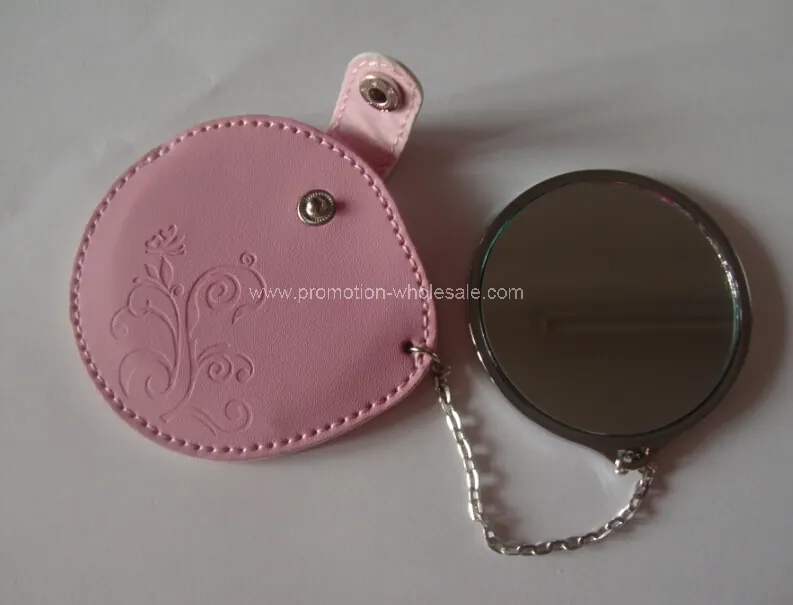
New Leather Pocket Cosmetic Mirror: a buyer’s assessment
An editorial assessment of New Leather Pocket Cosmetic Mirror, with practical questions about specifications, customisation and project fit.
Multifunctional Folding Comb with Mirror: a buyer’s assessment
An editorial assessment of Multifunctional Folding Comb with Mirror, with practical questions about specifications, customisation and project fit.
Custom Brush MOQs: Ask Which Choice Sets the Minimum
Understand quotation assumptions at component and variant level before committing to a custom brush order.
Use Supplier Design Support to Resolve Brush Tradeoffs
Technical support is most valuable when it helps a buyer decide between specific alternatives. A broad request for an innovative brush gives little direction.
Comments
No comments yet. Add a useful question or share your perspective.