Tweezer Specification Essentials for a Wholesale Order
Tweezer quality involves more than a tip label. A clear specification connects working geometry, closing action, materials and protection during shipment.
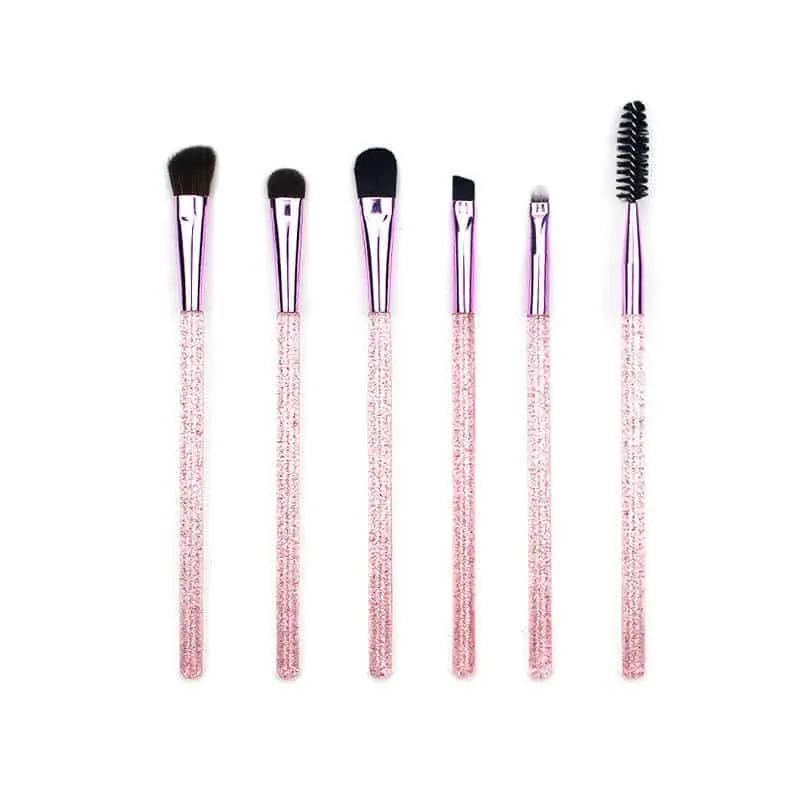
Tweezer quality involves more than a tip label. A clear specification connects working geometry, closing action, materials and protection during shipment.
Describe the intended tip
Slant, flat, pointed and hybrid descriptions cover different profiles. Request a drawing and physical sample so that width, edge and contact area are unambiguous. Keep intended use within the supplier’s supported guidance and avoid adding medical or invasive-use claims simply because a tip looks fine or sharp.
Inspect the assembled mechanism
Compare tip contact from the front and side while closing the arms with ordinary pressure. Record whether contact remains stable or shifts as force increases. Ask how the supplier measures closing resistance and what reference is retained for production. A subjective instruction such as strong grip is difficult to reproduce without a method.
Approve finish and protection last
Confirm the material declaration, then review the final coating or engraving on an assembled sample. Check how caps or trays protect the working ends without forcing them sideways. Shipment inspection should use the same approved geometry and handling method, with clear instructions for addressing tools that do not match the retained reference.
Before approving the order
- Approve the actual tip profile.
- Record a repeatable contact and force check.
- Inspect the tool after protective packing.
Our guides use documented product information and editorial research. Hands-on testing is stated only where it has actually been performed. How we work
You may also find useful
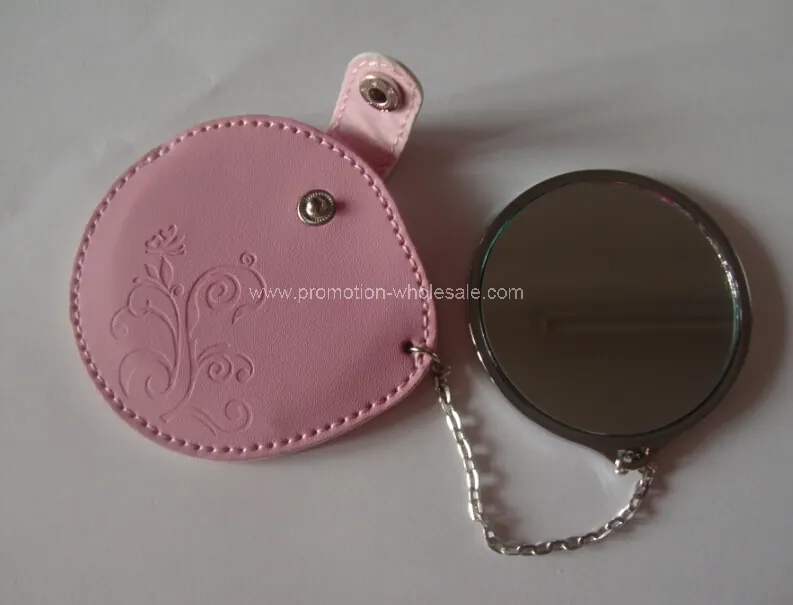
New Leather Pocket Cosmetic Mirror: a buyer’s assessment
An editorial assessment of New Leather Pocket Cosmetic Mirror, with practical questions about specifications, customisation and project fit.
Multifunctional Folding Comb with Mirror: a buyer’s assessment
An editorial assessment of Multifunctional Folding Comb with Mirror, with practical questions about specifications, customisation and project fit.

Custom Brush MOQs: Ask Which Choice Sets the Minimum
Understand quotation assumptions at component and variant level before committing to a custom brush order.
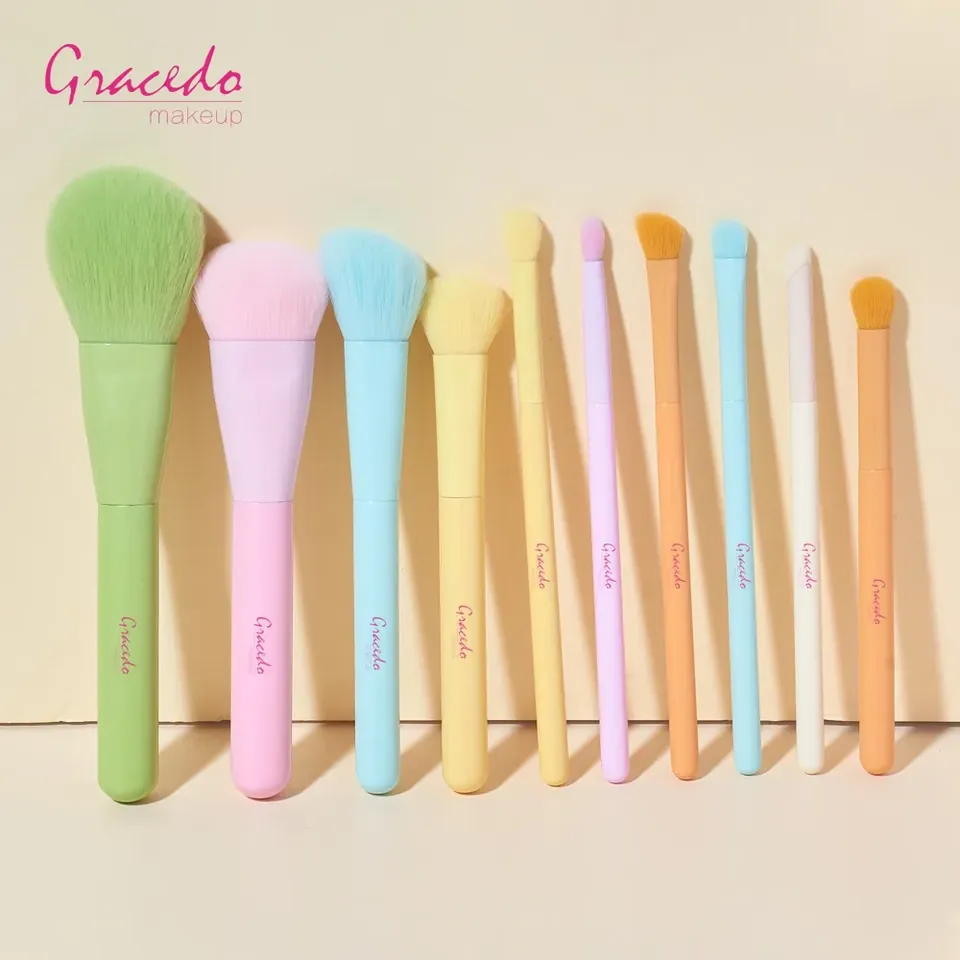
Use Supplier Design Support to Resolve Brush Tradeoffs
Technical support is most valuable when it helps a buyer decide between specific alternatives. A broad request for an innovative brush gives little direction.
Comments
No comments yet. Add a useful question or share your perspective.