Tweezer Tension: Define Closing Force Before Buying in Bulk
Tweezer tension is the resistance felt as the arms close. It should be evaluated alongside alignment because either can affect how controllable the tool feels.

Tweezer tension is the resistance felt as the arms close. It should be evaluated alongside alignment because either can affect how controllable the tool feels.
Distinguish force from contact
Two tweezers can have similar-looking tips but feel different in the hand. Close each sample slowly and note whether resistance changes smoothly or whether the tool twists before the tips meet.
Inspect the contact surface separately. A comfortable closing action does not correct a gap or an uneven working edge.
Make a preference reproducible
Ask the supplier how closing force is measured and where the force is applied. A numerical result is useful only when the method is defined. Keep a retained sample that represents the agreed feel.
Arm geometry, material thickness and processing can influence resistance. Rather than prescribing a manufacturing adjustment without evidence, ask the supplier to explain how a proposed revision will be verified.
Check consistency over repeated operation
Use an agreed opening-and-closing procedure to compare samples, and inspect whether their action changes. Avoid destructive or uncontrolled squeezing that does not represent intended use. For a wholesale lot, define how variation will be checked and what happens if tools fall outside the approved range. Protective packaging should preserve alignment as well as surface appearance.
Before approving the order
- Evaluate force and alignment independently.
- Specify the measurement method.
- Agree on repeat-operation and lot consistency checks.
Our guides use documented product information and editorial research. Hands-on testing is stated only where it has actually been performed. How we work
You may also find useful
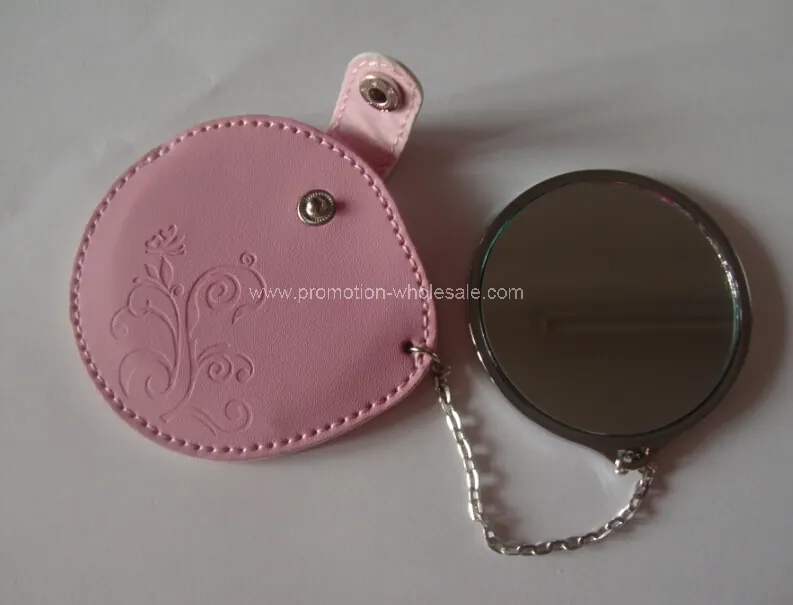
New Leather Pocket Cosmetic Mirror: a buyer’s assessment
An editorial assessment of New Leather Pocket Cosmetic Mirror, with practical questions about specifications, customisation and project fit.

Multifunctional Folding Comb with Mirror: a buyer’s assessment
An editorial assessment of Multifunctional Folding Comb with Mirror, with practical questions about specifications, customisation and project fit.

Custom Brush MOQs: Ask Which Choice Sets the Minimum
Understand quotation assumptions at component and variant level before committing to a custom brush order.
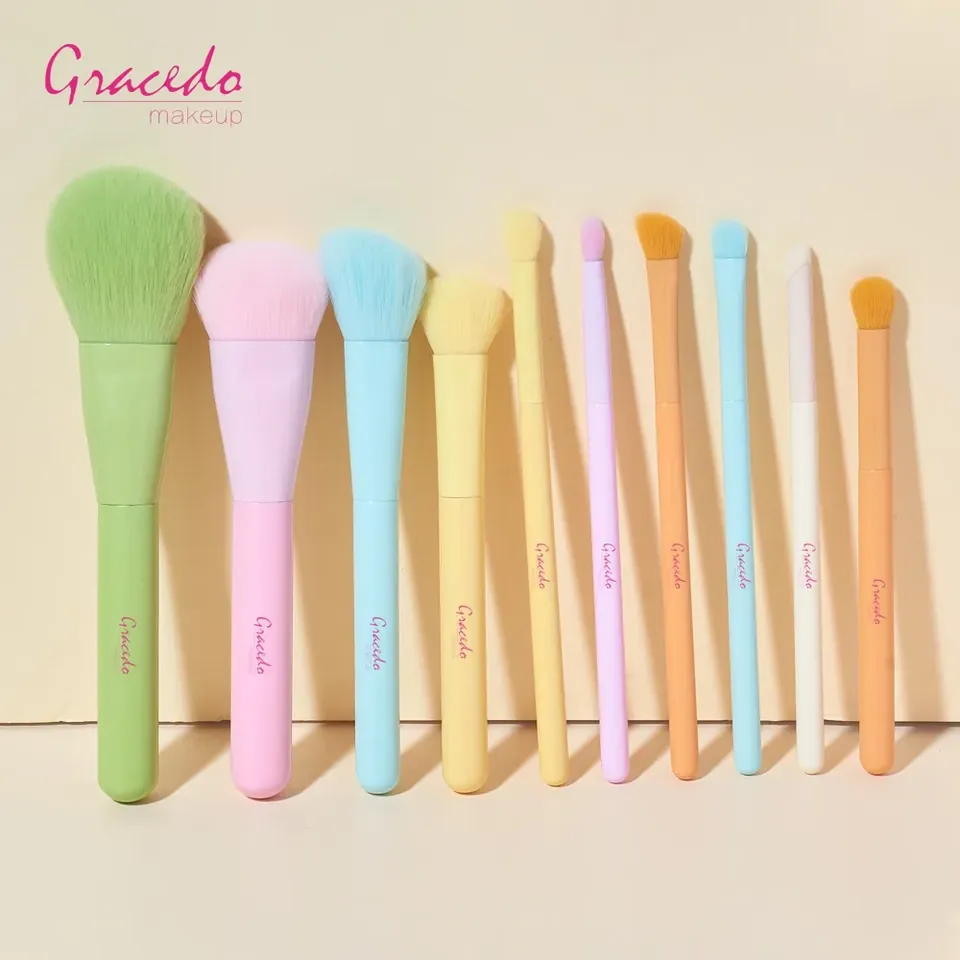
Use Supplier Design Support to Resolve Brush Tradeoffs
Technical support is most valuable when it helps a buyer decide between specific alternatives. A broad request for an innovative brush gives little direction.
Comments
No comments yet. Add a useful question or share your perspective.