Wholesale Brush Cases: Fit and Organization Before Finish
A brush case should be designed around the tools it carries. Attractive materials cannot correct compartments that bend heads or make tools difficult to retrieve.

A brush case should be designed around the tools it carries. Attractive materials cannot correct compartments that bend heads or make tools difficult to retrieve.
Build the fit sample first
Send the supplier the longest, shortest and widest tools in the intended assortment. Check that the case closes without compressing fibers and that protective flaps do not catch the heads.
Test access when every pocket is occupied. A layout that works for one photographed brush may become awkward when the full set is packed.
Inspect the areas that carry stress
Look closely at pocket openings, seams, zip ends and the junction between the handle or strap and the body. Open and close a sample repeatedly using the intended load. Record the inspection method and result instead of accepting a general durability description.
Ask for the actual fabric, lining and closure specifications. Similar-looking case materials can differ in thickness, surface behavior and care requirements.
Approve the pack as a system
Check the label, logo placement, internal protection and carton orientation together. Confirm whether the brushes arrive inside the case or are packed separately for assembly. That decision changes labor, freight volume and the opportunity for the wrong assortment to be paired with the case.
Before approving the order
- Fit every tool in the intended assortment.
- Inspect seams and closures under normal use.
- Confirm where final set assembly takes place.
Our guides use documented product information and editorial research. Hands-on testing is stated only where it has actually been performed. How we work
You may also find useful
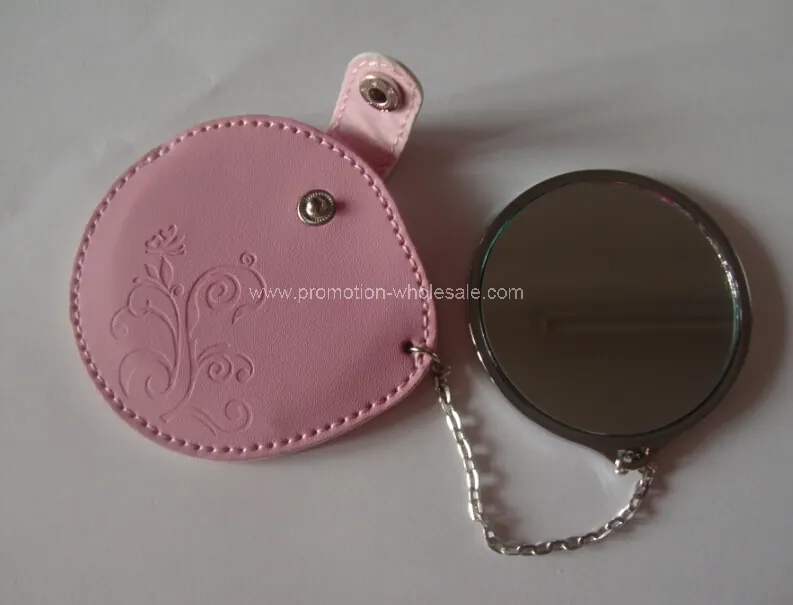
New Leather Pocket Cosmetic Mirror: a buyer’s assessment
An editorial assessment of New Leather Pocket Cosmetic Mirror, with practical questions about specifications, customisation and project fit.
Multifunctional Folding Comb with Mirror: a buyer’s assessment
An editorial assessment of Multifunctional Folding Comb with Mirror, with practical questions about specifications, customisation and project fit.
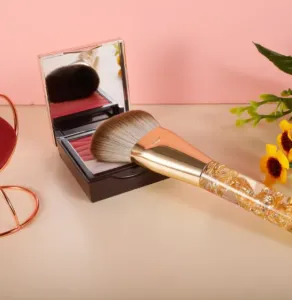
Custom Brush MOQs: Ask Which Choice Sets the Minimum
Understand quotation assumptions at component and variant level before committing to a custom brush order.
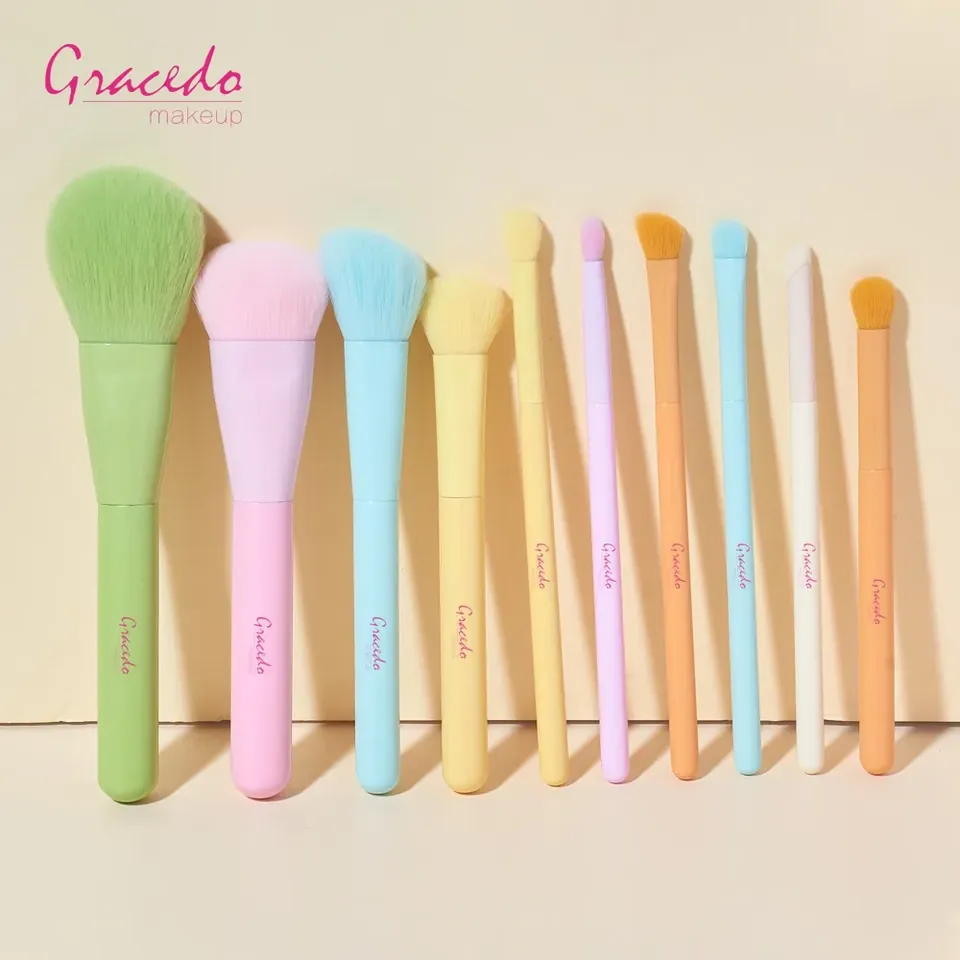
Use Supplier Design Support to Resolve Brush Tradeoffs
Technical support is most valuable when it helps a buyer decide between specific alternatives. A broad request for an innovative brush gives little direction.
Comments
No comments yet. Add a useful question or share your perspective.