Wholesale Eye Brushes: Compare Individual Models Before Sets
A broad eye brush range can offer useful choice, but a set should be selected from evaluated tools rather than approved from a collection photograph.
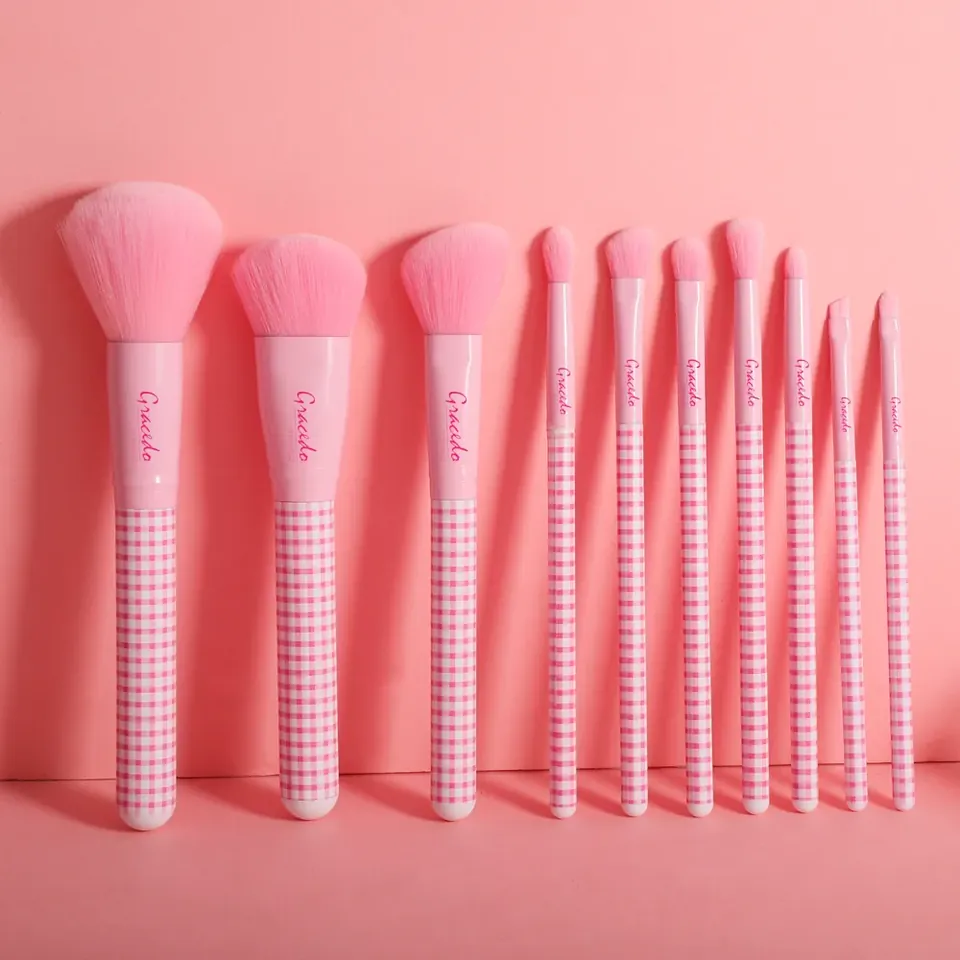
A broad eye brush range can offer useful choice, but a set should be selected from evaluated tools rather than approved from a collection photograph.
Identify the working differences
Compare head width, exposed length and contact pattern across placement, blending and liner shapes. Ask for drawings or dimensional records to support the samples. When two models look similar, write down the task that justifies both. This makes the eventual assortment easier to explain to retailers and end users.
Check comfort and assembly
Inspect tip uniformity, head placement and ferrule stability. Evaluate normal handling with the supported formula types and review the supplier’s care instructions. A claim of no irritation or perfect results for everyone should not replace sample inspection or appropriate evidence. Keep observed comfort separate from unsupported medical or skin-related statements.
Build the commercial assortment
Ask about minimums by model, color and packaging. Confirm whether the supplier can provide individual replenishment pieces as well as full sets. Approve identifiers and a set map so that the right tools enter each package. Retain complete references for future orders, especially if the same handles are used across several similar assortments.
Before approving the order
- Evaluate the heads individually.
- Separate sample observations from broad claims.
- Plan both set assembly and individual reorders.
Our guides use documented product information and editorial research. Hands-on testing is stated only where it has actually been performed. How we work
You may also find useful
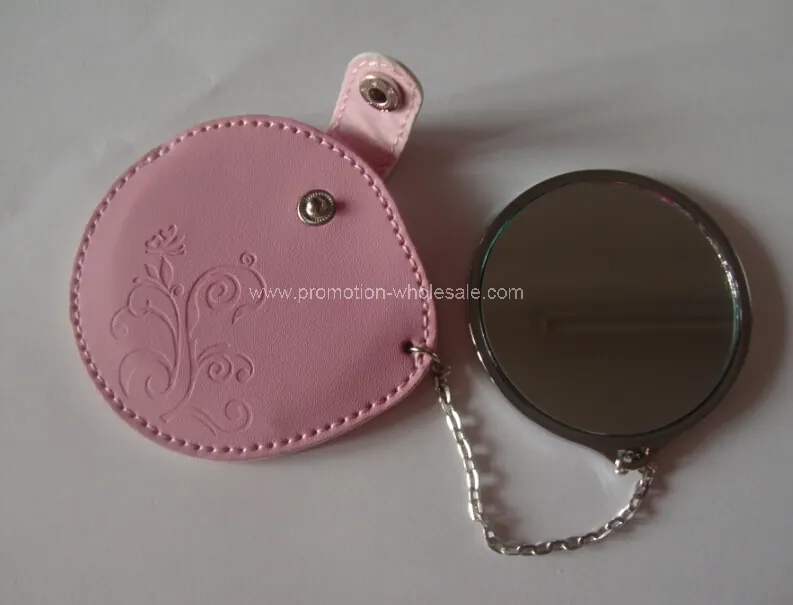
New Leather Pocket Cosmetic Mirror: a buyer’s assessment
An editorial assessment of New Leather Pocket Cosmetic Mirror, with practical questions about specifications, customisation and project fit.

Multifunctional Folding Comb with Mirror: a buyer’s assessment
An editorial assessment of Multifunctional Folding Comb with Mirror, with practical questions about specifications, customisation and project fit.
Custom Brush MOQs: Ask Which Choice Sets the Minimum
Understand quotation assumptions at component and variant level before committing to a custom brush order.
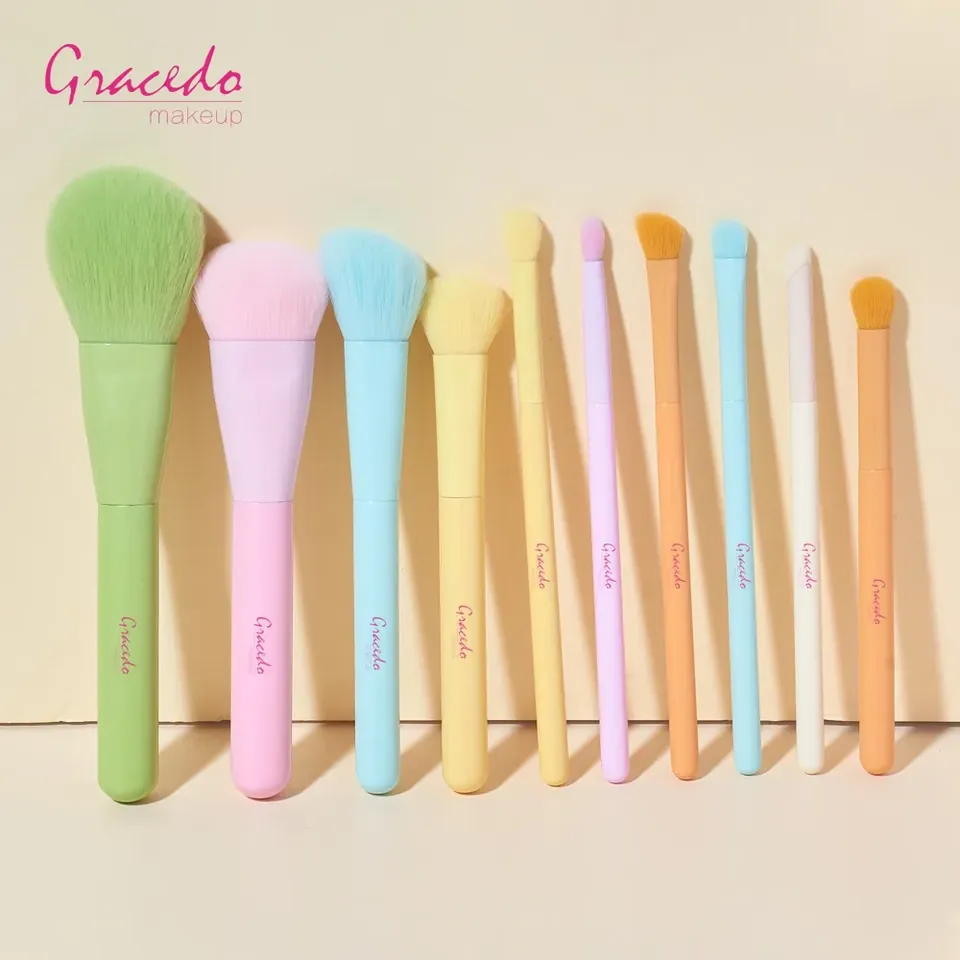
Use Supplier Design Support to Resolve Brush Tradeoffs
Technical support is most valuable when it helps a buyer decide between specific alternatives. A broad request for an innovative brush gives little direction.
Comments
No comments yet. Add a useful question or share your perspective.