Wholesale Eyeshadow Brushes: Build a Useful Comparison Table
Compare eye brush proposals with clear roles, consistent sample references and practical customer information.
Choose the comparison columns
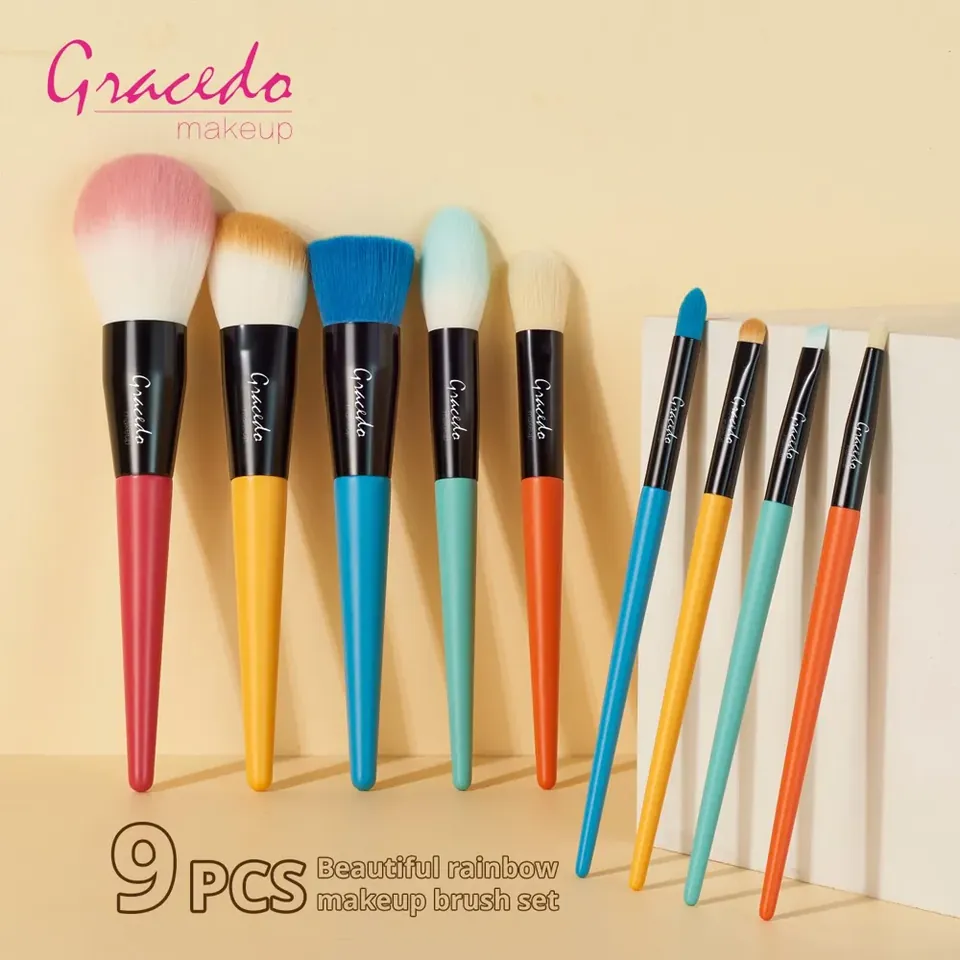
List each candidate’s intended task, head dimensions, described materials and model reference. Include a photograph that shows the working profile rather than only the handle decoration. Keep broad blending, compact application and detail roles distinct where relevant. A structured table makes it easier to notice when several products carry different names but offer very similar proposed uses.
Use a common sample brief
Ask evaluators to use clearly identified brushes with the relevant eyeshadow formulas and record handling observations. Keep the context with every note. If a sample differs from its written description, request clarification before comparing it with the others. Do not let a favorable general impression replace questions about the exact construction that will be supplied under the final quotation.
Finish with a clear shortlist
Select products that contribute understandable roles to the collection and identify any unanswered questions. Review naming, handle labeling and care guidance before artwork approval. Keep the approved references with the comparison table so colleagues can understand the decision later. A useful shortlist is small enough to review properly and detailed enough to support a consistent order, rather than simply collecting every appealing brush in the catalog.
Buyer checklist
- Compare dimensions and application roles.
- Record formula context with sample observations.
- Retain the decision table with approved references.
Our guides use documented product information and editorial research. Hands-on testing is stated only where it has actually been performed. How we work
You may also find useful
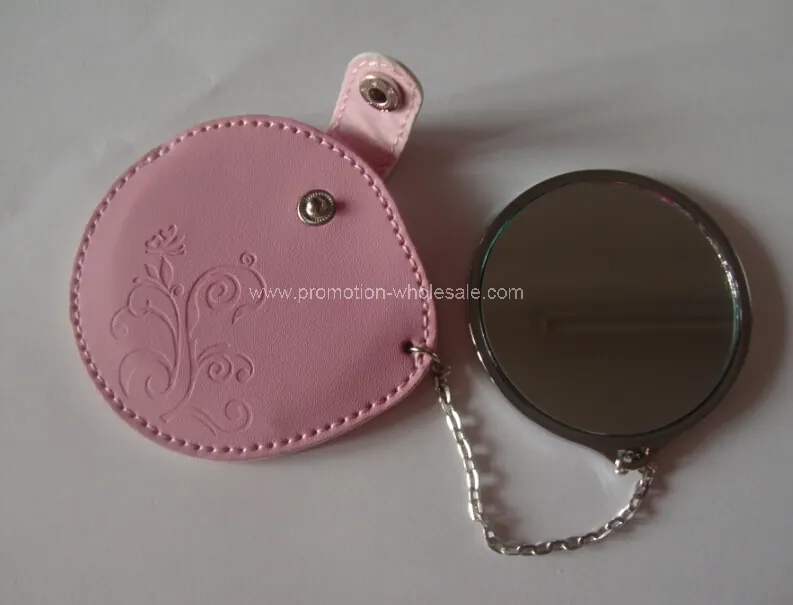
New Leather Pocket Cosmetic Mirror: a buyer’s assessment
An editorial assessment of New Leather Pocket Cosmetic Mirror, with practical questions about specifications, customisation and project fit.

Multifunctional Folding Comb with Mirror: a buyer’s assessment
An editorial assessment of Multifunctional Folding Comb with Mirror, with practical questions about specifications, customisation and project fit.

Custom Brush MOQs: Ask Which Choice Sets the Minimum
Understand quotation assumptions at component and variant level before committing to a custom brush order.
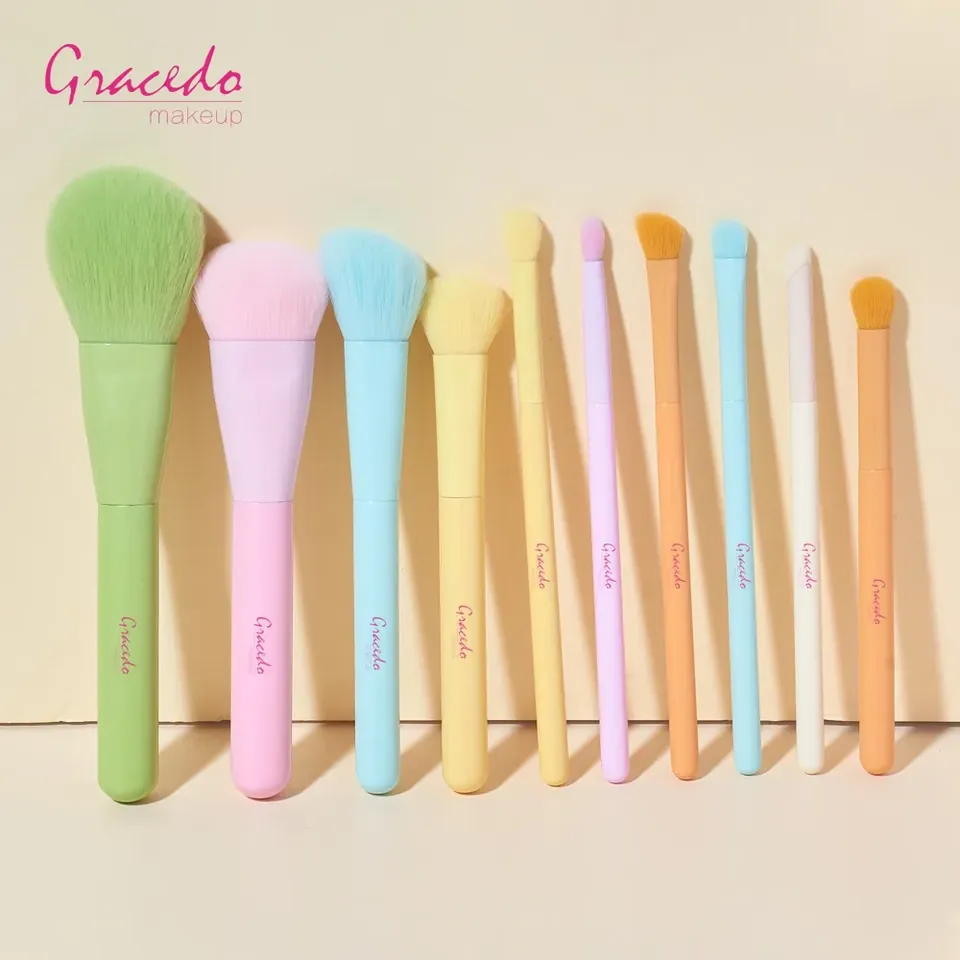
Use Supplier Design Support to Resolve Brush Tradeoffs
Technical support is most valuable when it helps a buyer decide between specific alternatives. A broad request for an innovative brush gives little direction.
Comments
No comments yet. Add a useful question or share your perspective.