Brush Shedding Complaints: Gather Evidence Before Assigning Cause
Loose fibers can reflect different assembly or material problems. A useful investigation records the failure pattern rather than diagnosing a manufacturing process from one photograph.
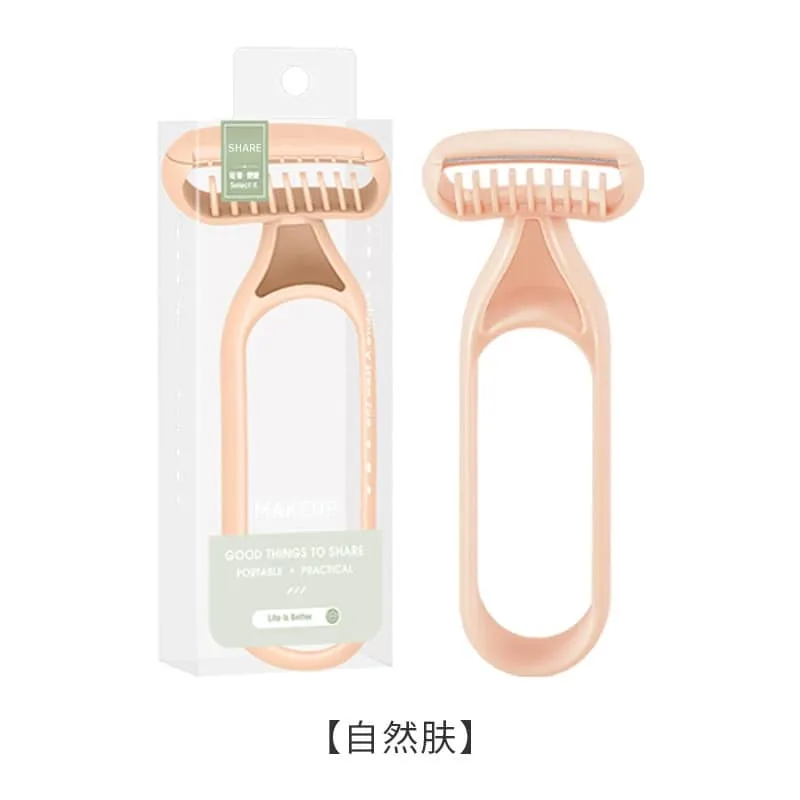
Loose fibers can reflect different assembly or material problems. A useful investigation records the failure pattern rather than diagnosing a manufacturing process from one photograph.
Describe what actually happened
Record the model, lot, care routine and stage at which fibers became loose. Keep examples and photographs showing whether the issue involves isolated full-length fibers, short pieces or a larger bundle. These observations help a supplier investigate, but they do not conclusively identify one cause without examining the tool and its production records.
Request a structured supplier response
Ask the supplier to review bonding, head preparation, ferrule assembly and any relevant material changes. A named adhesive method or a stronger crimp should not be prescribed as a universal solution. Agree on a way to test the proposed correction against the original failure and normal intended handling.
Close the loop on later batches
Keep the corrective action linked to a specification revision and a reviewed sample. Inspect subsequent lots using the agreed method, and record whether the issue recurs. Separate isolated cosmetic findings from failures that impair intended use. This gives the buyer a factual basis for acceptance decisions without repeating unsupported claims that one defect always explains every shedding complaint.
Before approving the order
- Keep model, lot and care evidence.
- Investigate before prescribing a process change.
- Verify the corrective action on later lots.
Our guides use documented product information and editorial research. Hands-on testing is stated only where it has actually been performed. How we work
You may also find useful
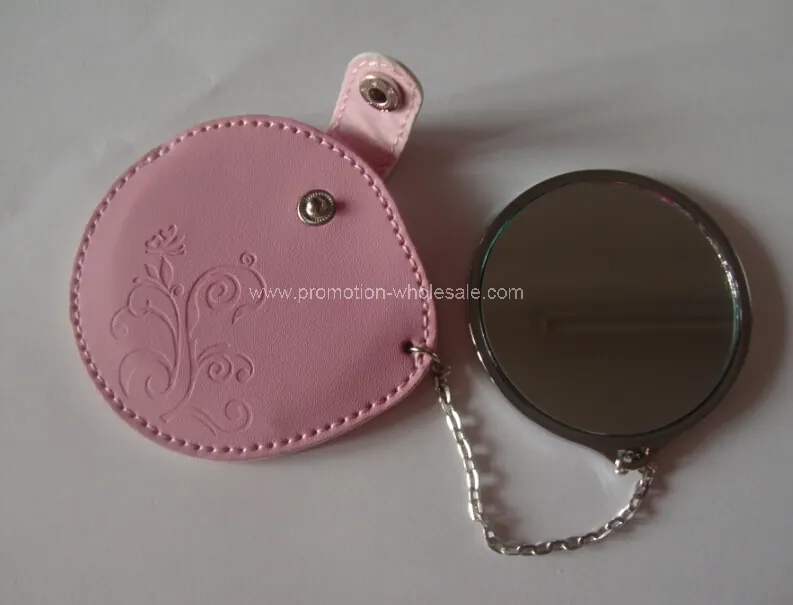
New Leather Pocket Cosmetic Mirror: a buyer’s assessment
An editorial assessment of New Leather Pocket Cosmetic Mirror, with practical questions about specifications, customisation and project fit.
Multifunctional Folding Comb with Mirror: a buyer’s assessment
An editorial assessment of Multifunctional Folding Comb with Mirror, with practical questions about specifications, customisation and project fit.
Custom Brush MOQs: Ask Which Choice Sets the Minimum
Understand quotation assumptions at component and variant level before committing to a custom brush order.
Use Supplier Design Support to Resolve Brush Tradeoffs
Technical support is most valuable when it helps a buyer decide between specific alternatives. A broad request for an innovative brush gives little direction.
Comments
No comments yet. Add a useful question or share your perspective.