From Beauty Tool Concept to Retail: Define the Approval Gates
Organize a private-label or OEM project around clear decisions rather than an assumed automatic route to launch.
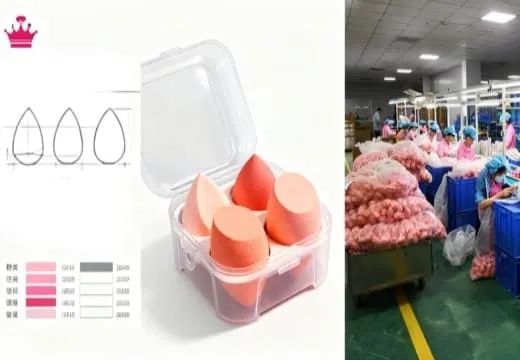
Turn the concept into a product outline
Describe the intended customer task, proposed tool type and retail format before requesting development. Identify essential requirements and optional ideas. Ask the supplier to explain the starting design and which parts need new work. Service descriptions can vary, so record the scope rather than assuming a familiar label includes every drawing, sample or packaging deliverable.
Separate the approval gates
Review the working product, decoration and packaging as connected but distinct stages. Give each sample and file a version reference. Ask who is responsible for preparing and approving the required information, including care guidance and any support for proposed claims. If an early decision changes, identify which later approvals need another review instead of treating the project as a straight line that cannot be revisited.
Make the retail handover complete
Before ordering, compare the final specification, sample, artwork and quotation. Check product names, contents and packing instructions against the same version. Keep unresolved questions visible and clarify who can approve substitutions. A complete handover helps the business move from an appealing concept to an identifiable product without relying on assumptions about what the supplier will include automatically.
Buyer checklist
- Define the product before development begins.
- Use separate functional and presentation approvals.
- Match final files to the selected sample.
Our guides use documented product information and editorial research. Hands-on testing is stated only where it has actually been performed. How we work
You may also find useful
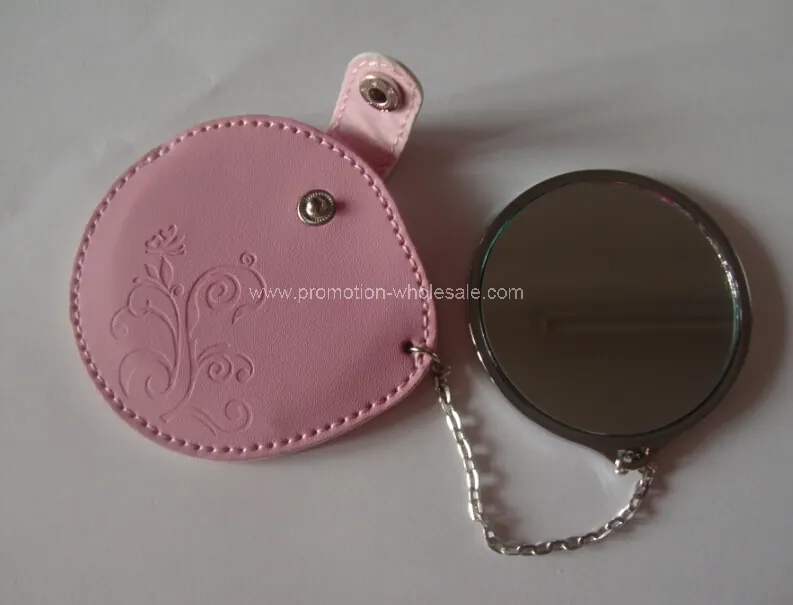
New Leather Pocket Cosmetic Mirror: a buyer’s assessment
An editorial assessment of New Leather Pocket Cosmetic Mirror, with practical questions about specifications, customisation and project fit.

Multifunctional Folding Comb with Mirror: a buyer’s assessment
An editorial assessment of Multifunctional Folding Comb with Mirror, with practical questions about specifications, customisation and project fit.
Custom Brush MOQs: Ask Which Choice Sets the Minimum
Understand quotation assumptions at component and variant level before committing to a custom brush order.
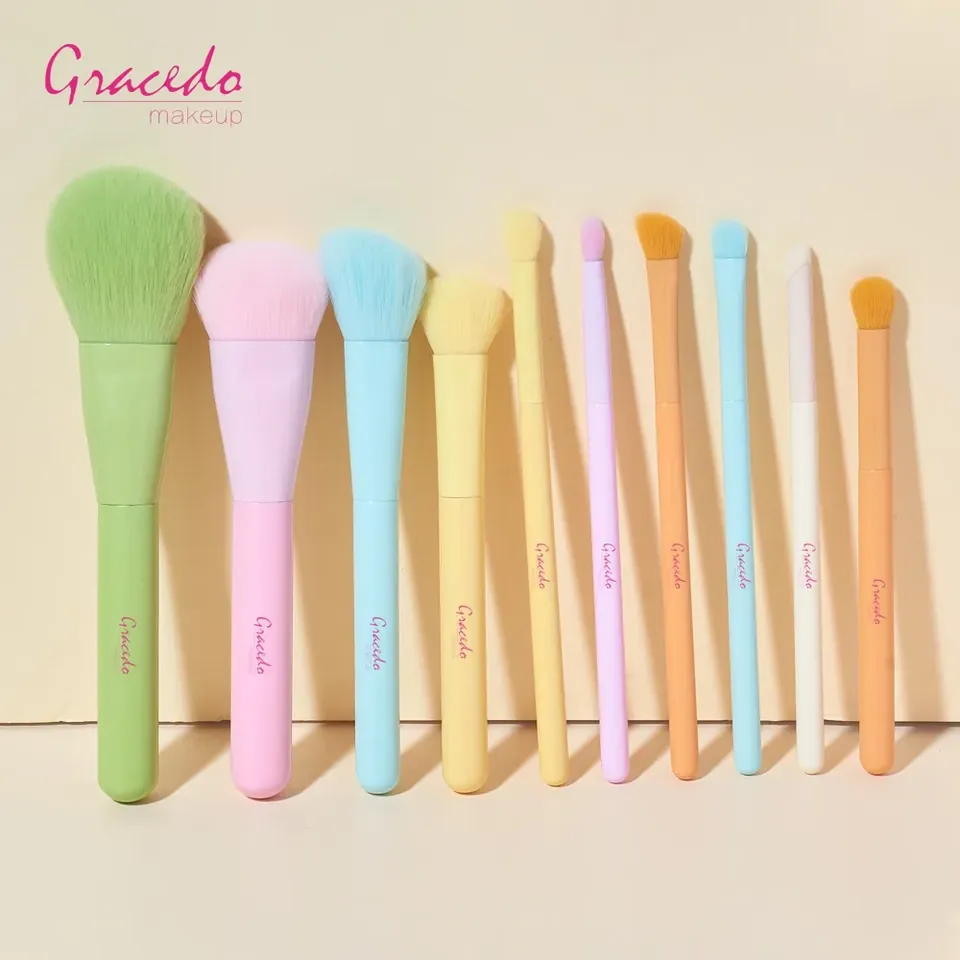
Use Supplier Design Support to Resolve Brush Tradeoffs
Technical support is most valuable when it helps a buyer decide between specific alternatives. A broad request for an innovative brush gives little direction.
Comments
No comments yet. Add a useful question or share your perspective.