Supplier Reliability: Use Observable Order Milestones
A reliable sourcing relationship is easier to assess through concrete commitments. Clear replies are helpful, but the order needs records that can be checked later.

A reliable sourcing relationship is easier to assess through concrete commitments. Clear replies are helpful, but the order needs records that can be checked later.
Set the starting requirements
Write the intended tool list, material declarations, dimensions, finish and packaging scope. Send the same brief when comparing candidates. Ask suppliers to flag any exceptions. This establishes a shared starting point and prevents an apparently fast response from masking a quotation for a different product or lower level of customization.
Agree on decision milestones
Record when artwork, samples and packaging must be approved and which event starts production lead time. Identify the person responsible for each decision. If the brief changes, update the schedule rather than assuming the original date still applies. A supplier’s general promise of quick delivery should become a project-specific commitment.
Evaluate follow-through
Check whether samples arrive labeled, revisions match feedback and documents refer to the approved version. Ask how defects and delayed components will be reported. Keep a simple supplier record based on those observations and completed orders. This provides a more useful long-term assessment than judging reliability solely from a website, a certificate list or one enthusiastic conversation.
Before approving the order
- Use an agreed baseline specification.
- Record approvals and schedule dependencies.
- Assess documented follow-through over time.
Our guides use documented product information and editorial research. Hands-on testing is stated only where it has actually been performed. How we work
You may also find useful
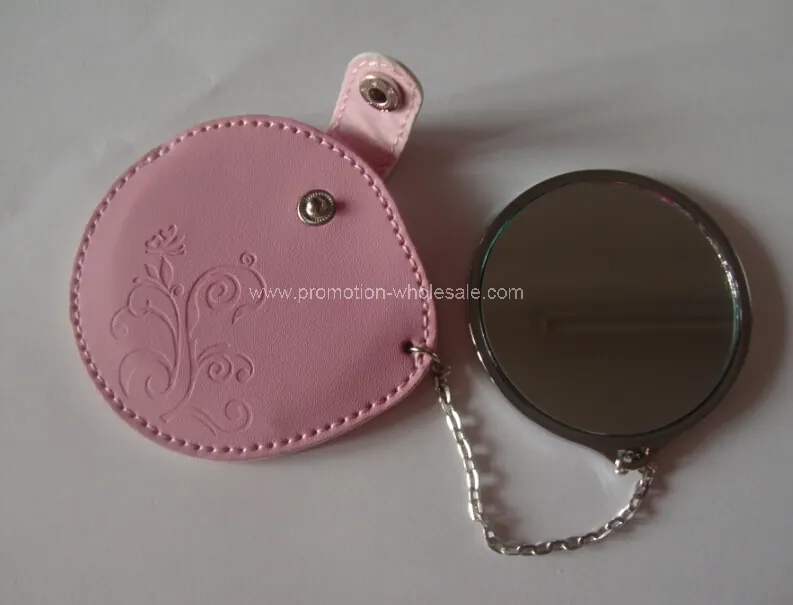
New Leather Pocket Cosmetic Mirror: a buyer’s assessment
An editorial assessment of New Leather Pocket Cosmetic Mirror, with practical questions about specifications, customisation and project fit.

Multifunctional Folding Comb with Mirror: a buyer’s assessment
An editorial assessment of Multifunctional Folding Comb with Mirror, with practical questions about specifications, customisation and project fit.

Custom Brush MOQs: Ask Which Choice Sets the Minimum
Understand quotation assumptions at component and variant level before committing to a custom brush order.
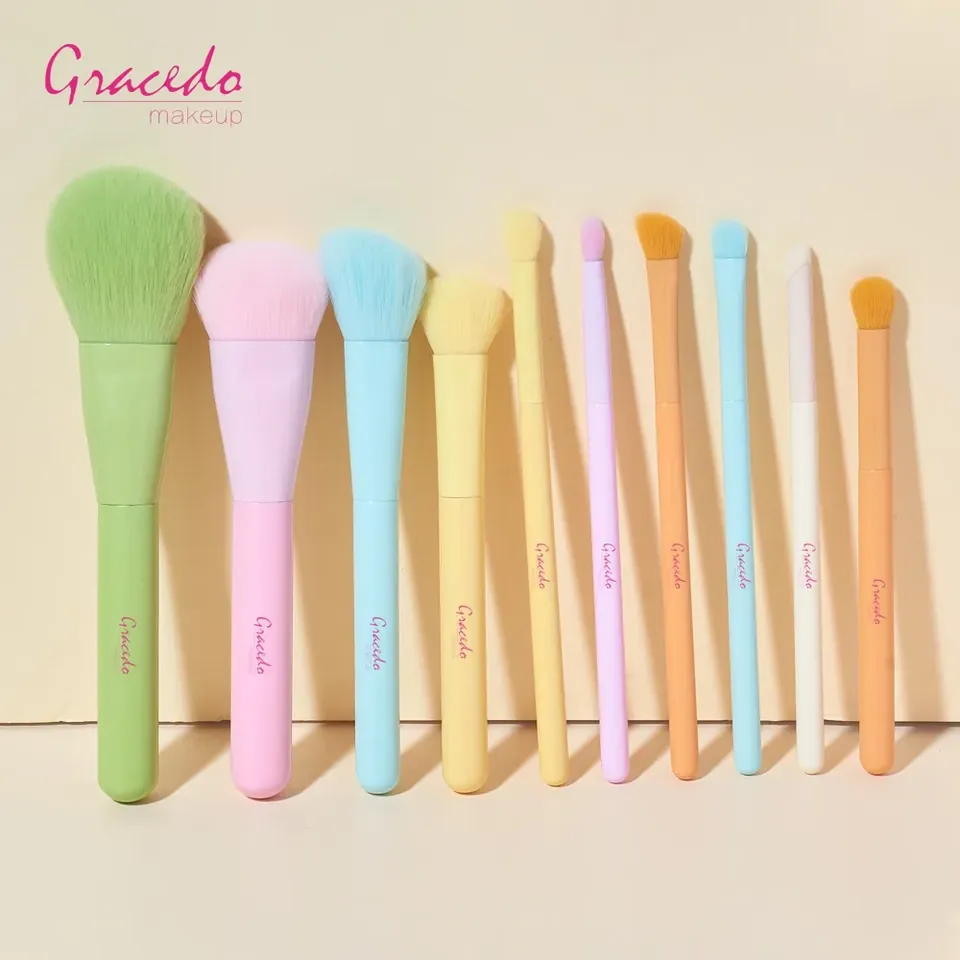
Use Supplier Design Support to Resolve Brush Tradeoffs
Technical support is most valuable when it helps a buyer decide between specific alternatives. A broad request for an innovative brush gives little direction.
Comments
No comments yet. Add a useful question or share your perspective.