Read. Compare. Decide.
Practical guides and original editorial perspectives to help you shop with a little more clarity.
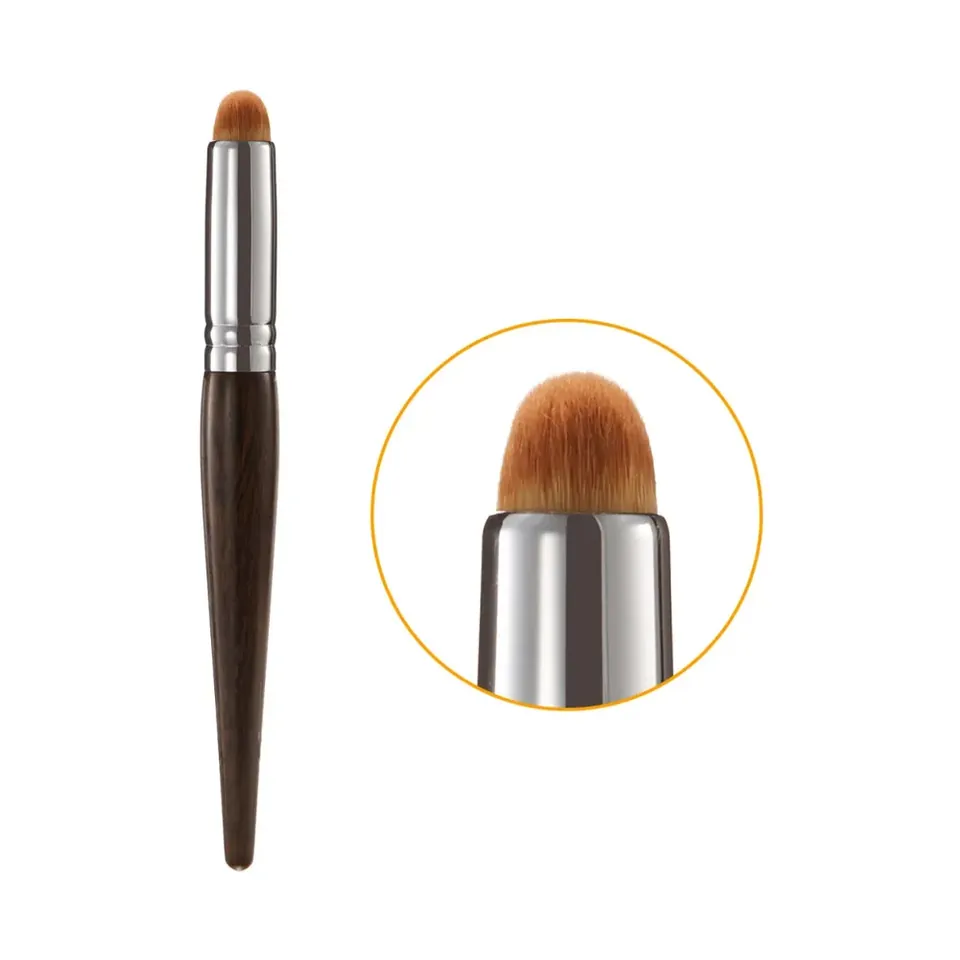
Lip Brush Suppliers: Questions That Reveal Production Responsibility
Look beyond integrated-manufacturing claims and clarify who controls each part of your custom lip brush order.
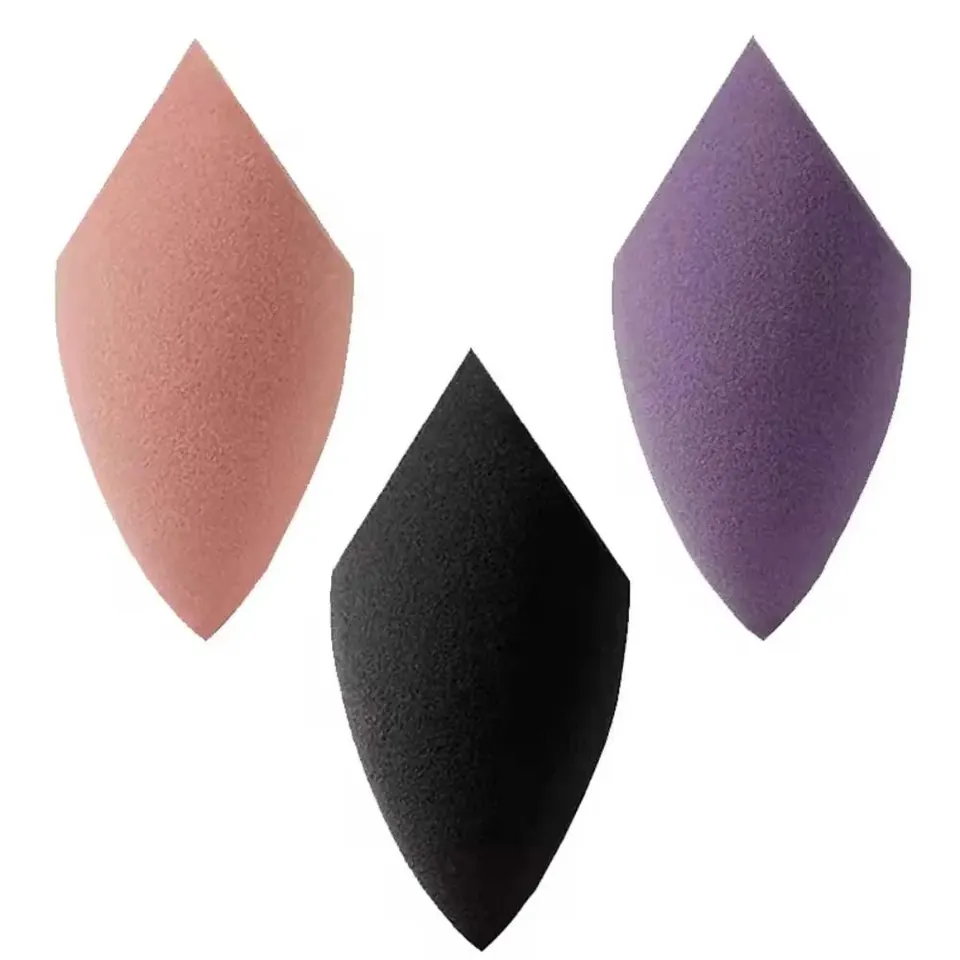
Makeup Sponge Shape Planning: Choose Distinct Working Surfaces
Edit a sponge assortment around shape, handling and clear customer identification rather than visual variety alone.
Stainless Steel Tweezers: Verify the Grade and Finished Tool
A stainless steel declaration is useful sourcing information, but it does not establish every property of a finished tweezer. Review material evidence and construction separately.
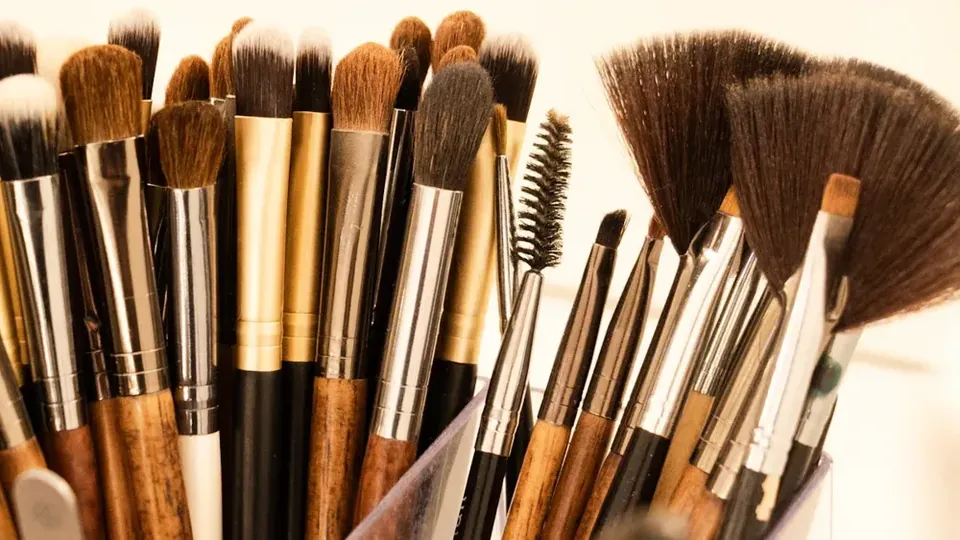
Choosing a Brush Manufacturer: Check the Product Handover
Evaluate how a supplier moves from a proposal to an approved product rather than relying on a general factory profile.
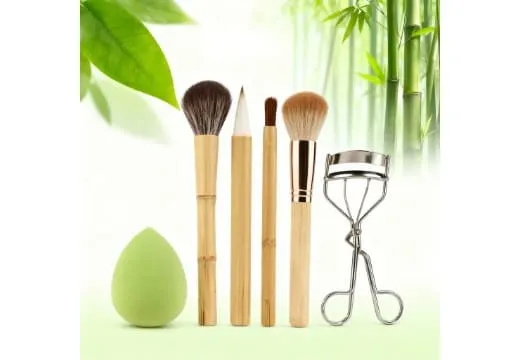
Eyelash Product Suppliers: Clarify the Item Before Comparing Capabilities
A focused sourcing brief for eyelash products, packaging requirements and supplier responsibility.
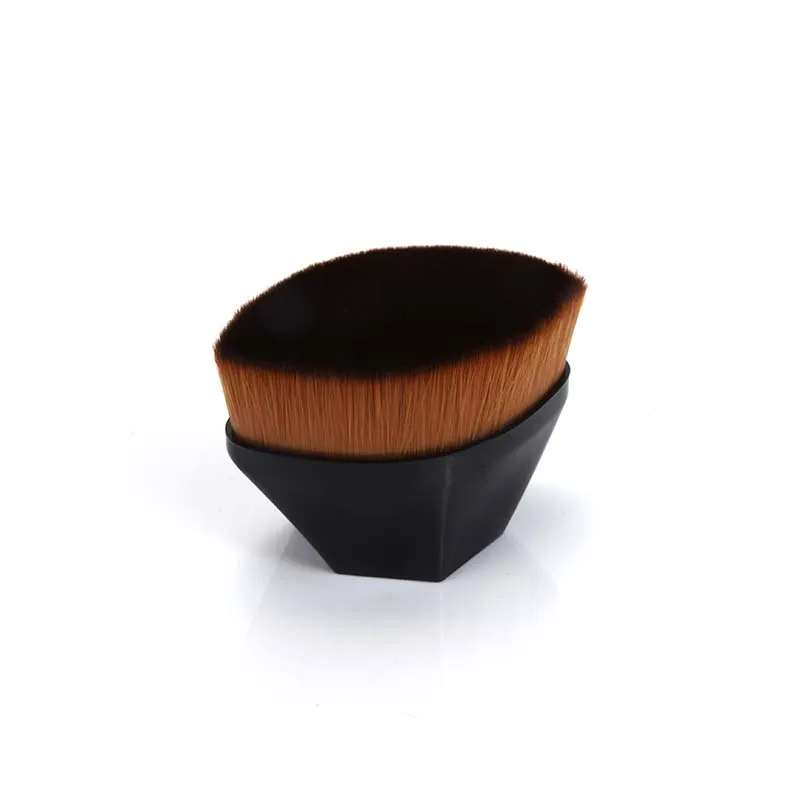
Kabuki Brush Quotes: Specify the Complete Head Before Comparing Cost
Review kabuki brush proposals through dimensions, material descriptions and complete sample configurations.
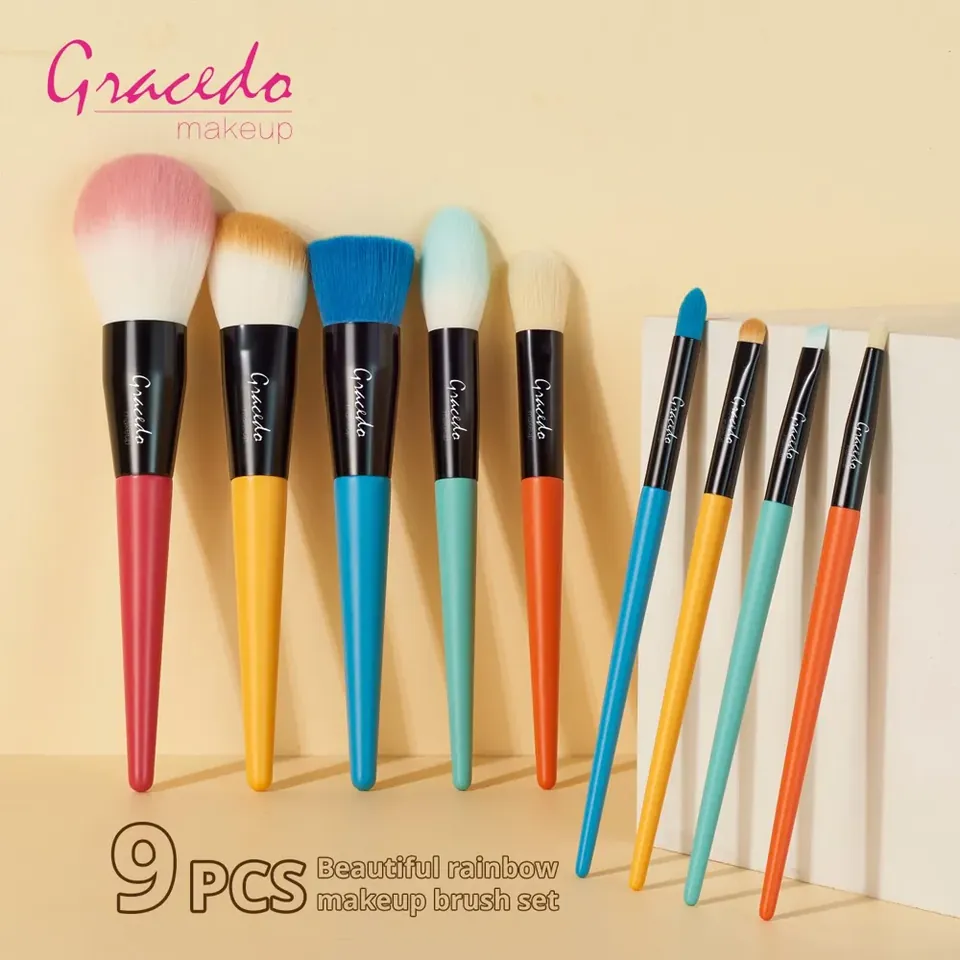
Brush Case Development: Compare Design Options Systematically
A new brush case should solve a defined storage problem. Supplier design suggestions are easier to evaluate when the buyer has a consistent comparison method.
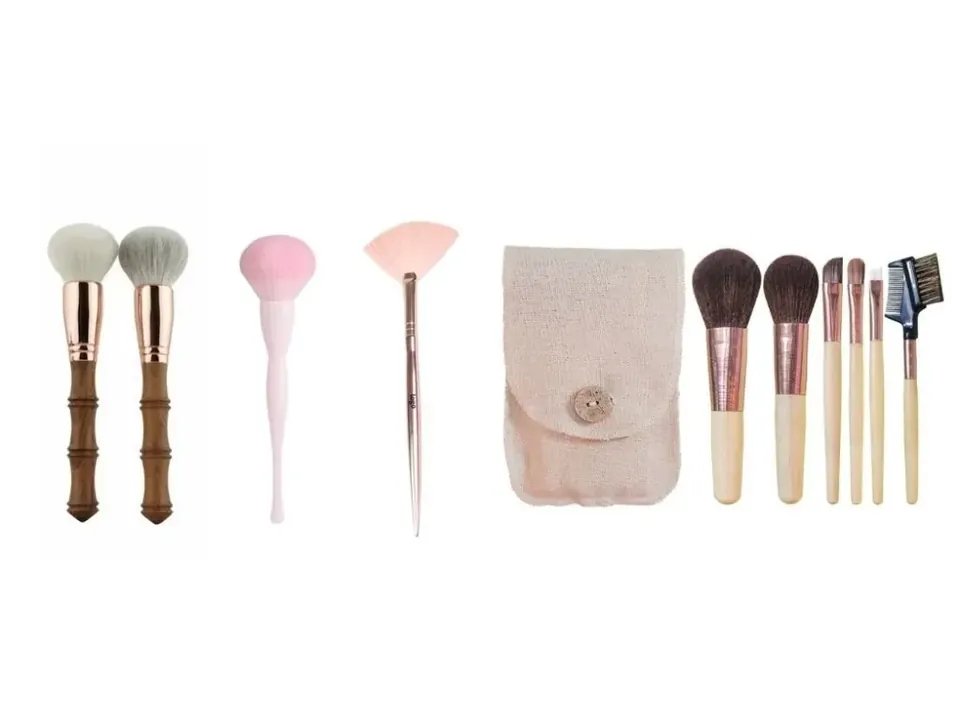
Free Mold Offers: Clarify Ownership and Project Scope
A free mold offer can change the development budget, but the term alone does not explain rights, minimum quantities or the cost of later changes.
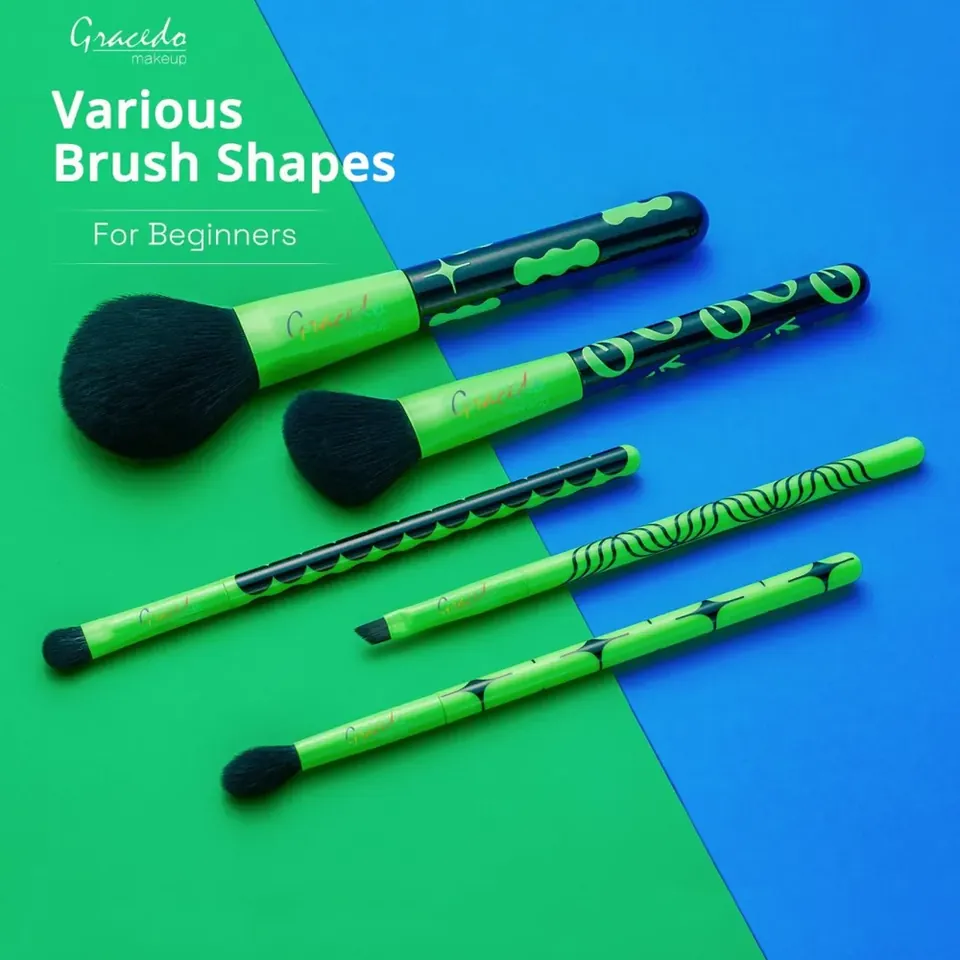
Automated Brow Brush Production: Questions Behind the Capacity Claim
Assembly and decoration machinery can support large brow brush orders. Capacity figures are useful only when they relate to the exact product and inspection process.

Professional Sponge Ranges: Ask What the Use Case Requires
Build a sponge brief around the intended routine, clear care information and manageable product identification.
A Bulk Brush Inspection Sheet Buyers Can Actually Use
A useful inspection sheet separates measurable construction details from subjective preference. This makes sample approval and shipment inspection easier to compare.
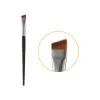
Brow Brush Sourcing Across Borders: Make the Specification Portable
Build a brow brush brief that suppliers and internal teams can interpret consistently across locations.
Custom Brush Set Refreshes: Preserve Familiar Products Deliberately
Plan an assortment refresh by separating appearance updates from changes to the working tools.
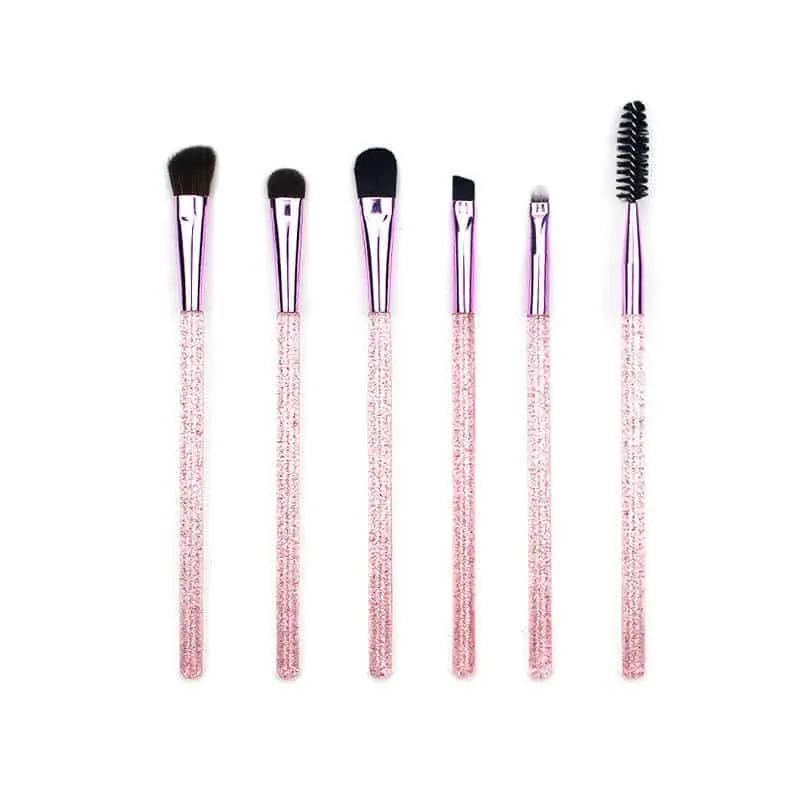
Glitter Applicators: Evaluate Formula Compatibility Before Claims
Glitter tools should be considered with the specific cosmetic formula and its intended-use guidance. Tool materials alone do not prove safe use or eliminate fallout.
Brush Hygiene and Durability Information: Keep the Evidence Separate
Review routine handling, care instructions and special product claims as distinct parts of the supplier file.
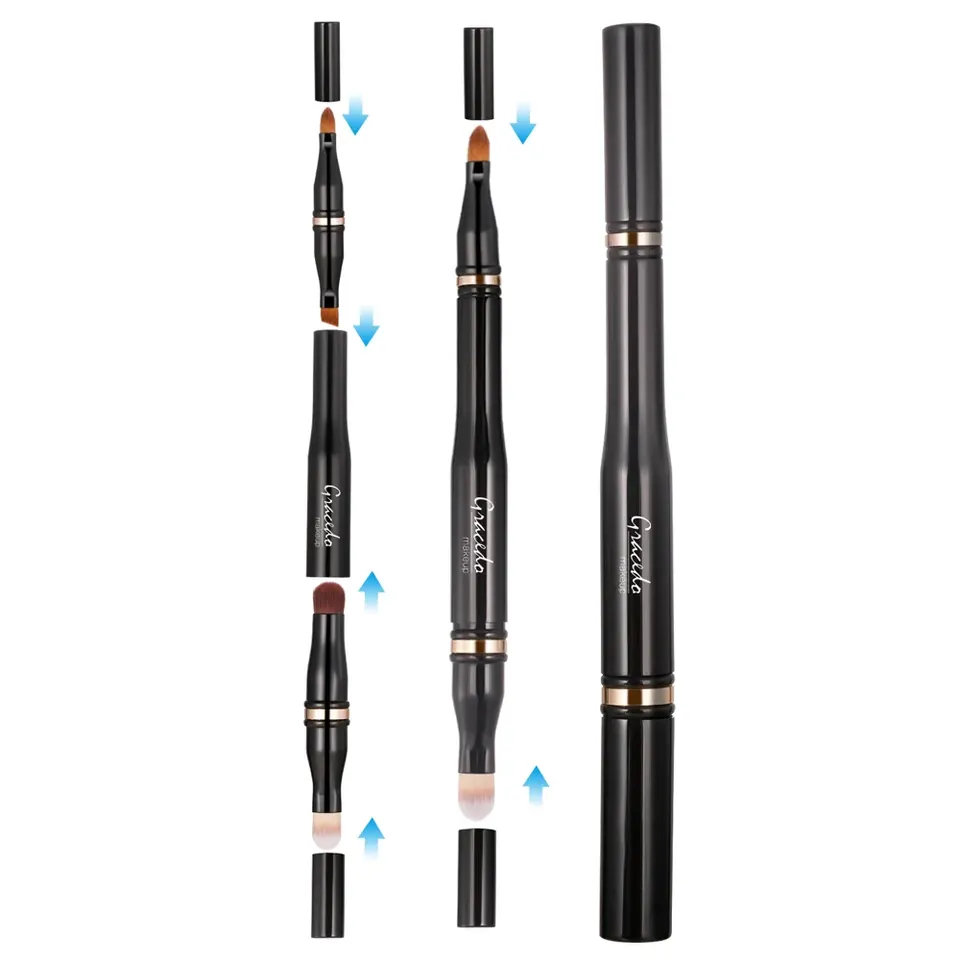
Custom Brush Development: Decide Which Features Need a New Sample
Brush size, head shape, materials and branding can all be customized. Managing those changes in stages helps the buyer understand what each revision achieves.
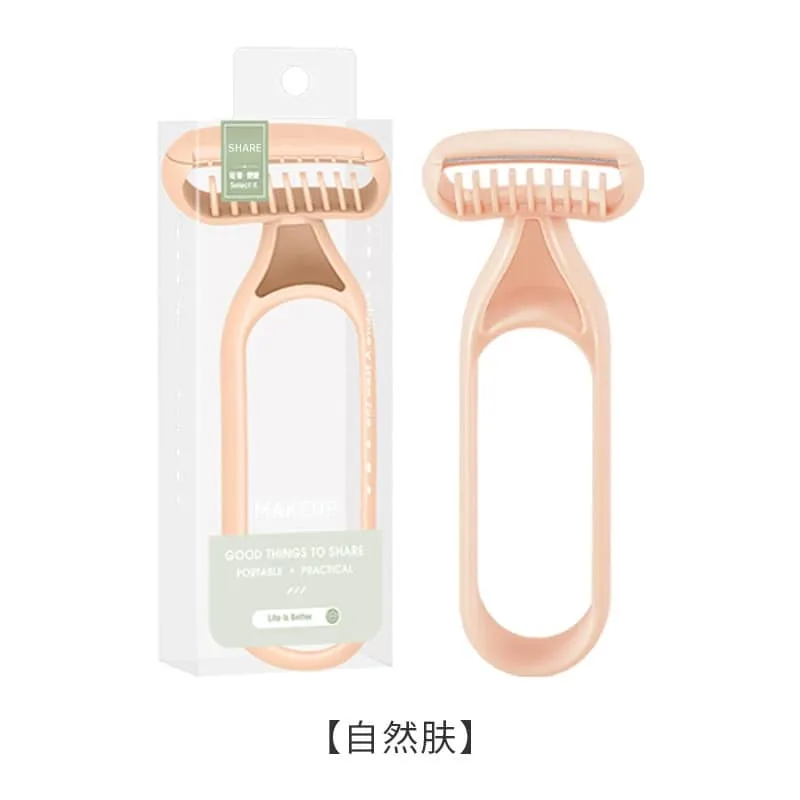
Professional Brush Labels: Ask What the Specification Actually Adds
Compare professional and everyday brush proposals through intended use, documentation and complete sample details.
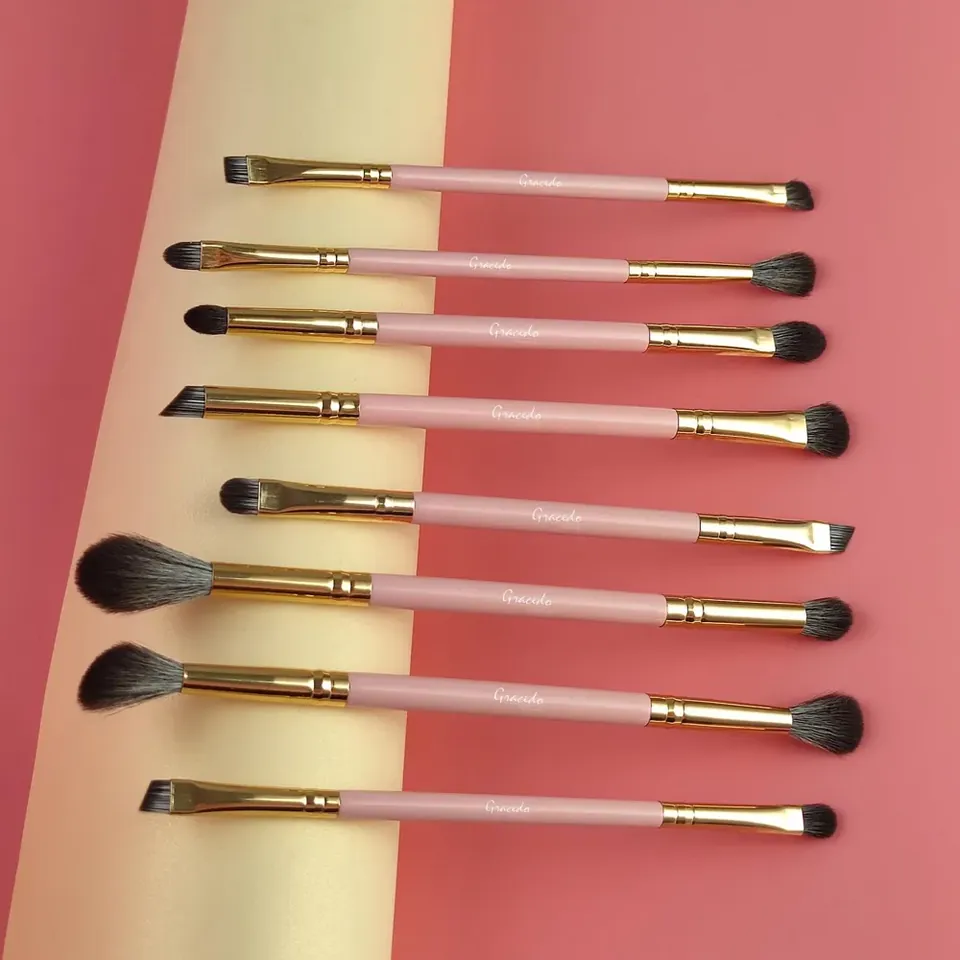
Getting Useful Technical Support for a Makeup Sponge Project
Good technical support should help a buyer resolve product decisions. Clear questions about material, shape and use produce more useful answers than a request for the best sponge.
Tweezer Tip Alignment: A Practical Inspection Plan
A polished finish can hide poorly matched tweezer tips. Evaluate the contact surface and closing action before judging the color or packaging.
Brush and Sponge Foundation Sets: Approve Both Components Independently
Build a mixed-tool set with clear roles, separate specifications and coordinated care information.
Silicone Makeup Tools: Ask for Evidence Behind Hygiene Claims
Separate silicone material descriptions, cleaning guidance and antimicrobial claims during supplier review.
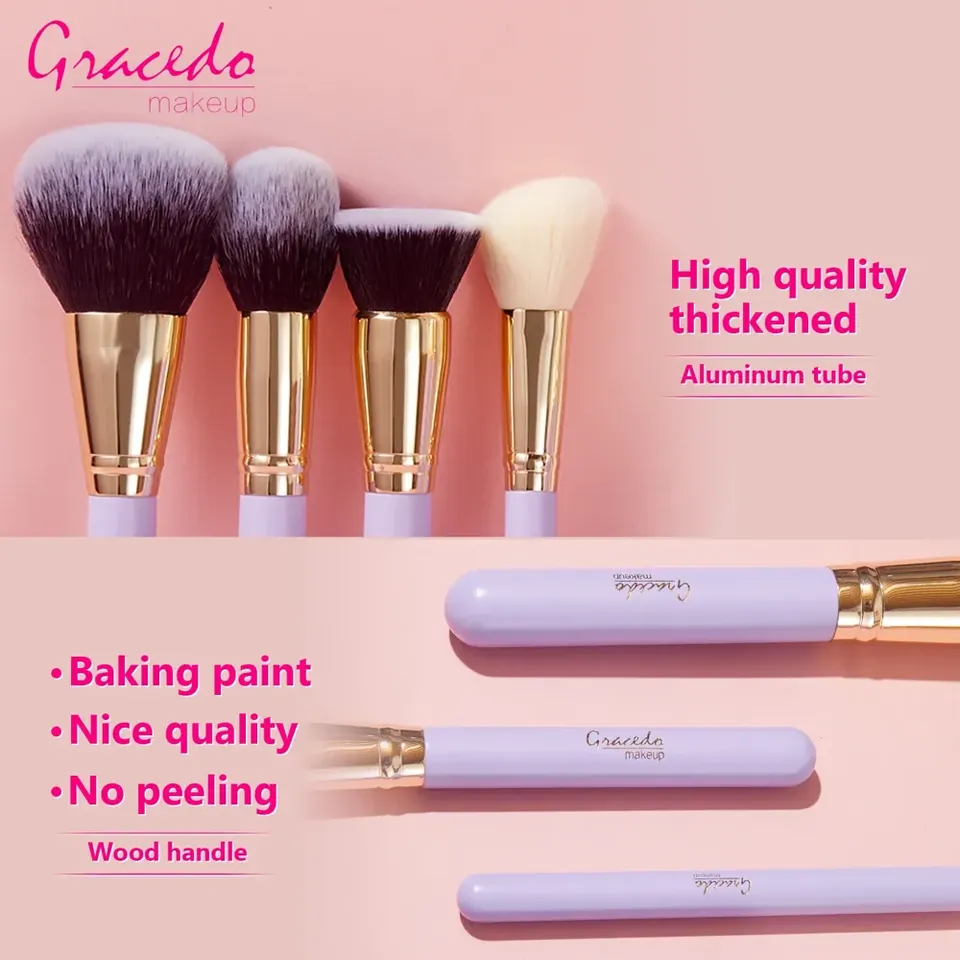
Custom Brush Precision: Replace Vague Language with Clear References
Make a custom brush project easier to evaluate through dimensions, model identity and specific feedback.
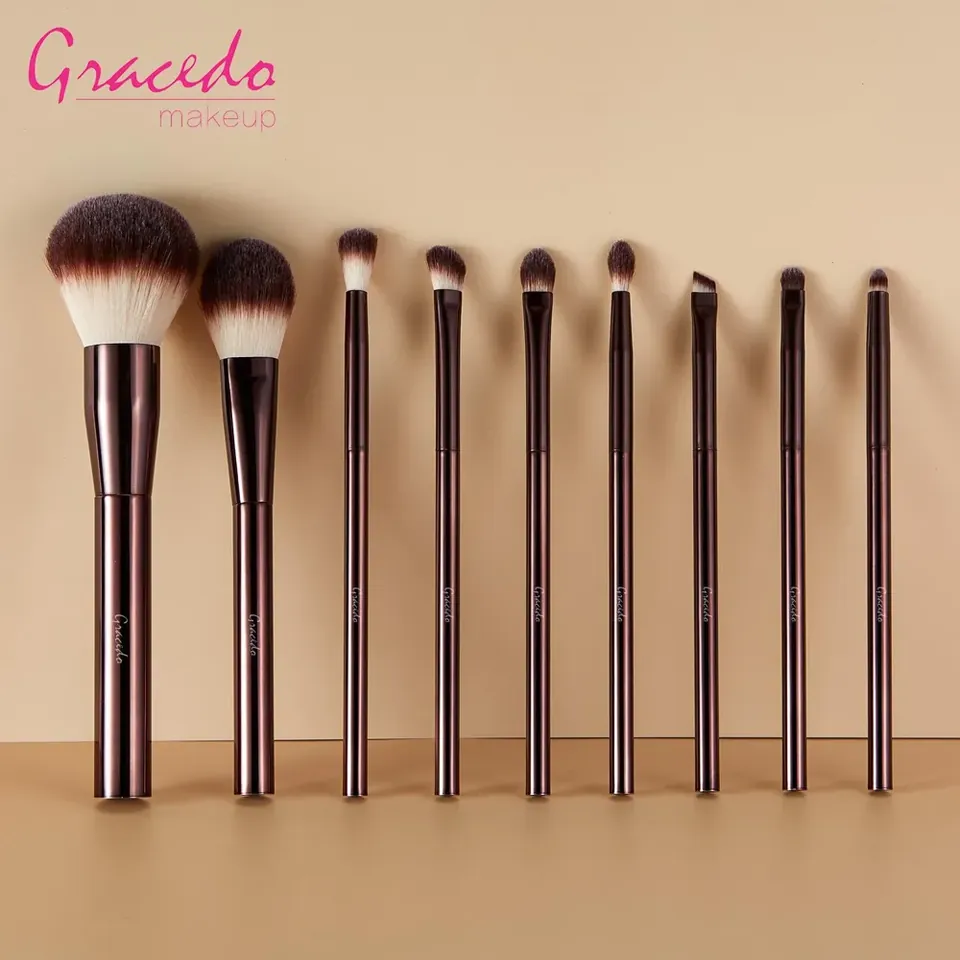
Introducing New Brush Materials Without Losing Consistency
A new material or process should solve a defined product problem. Buyers need a comparison and an approval plan before adding an innovation claim to a brush range.
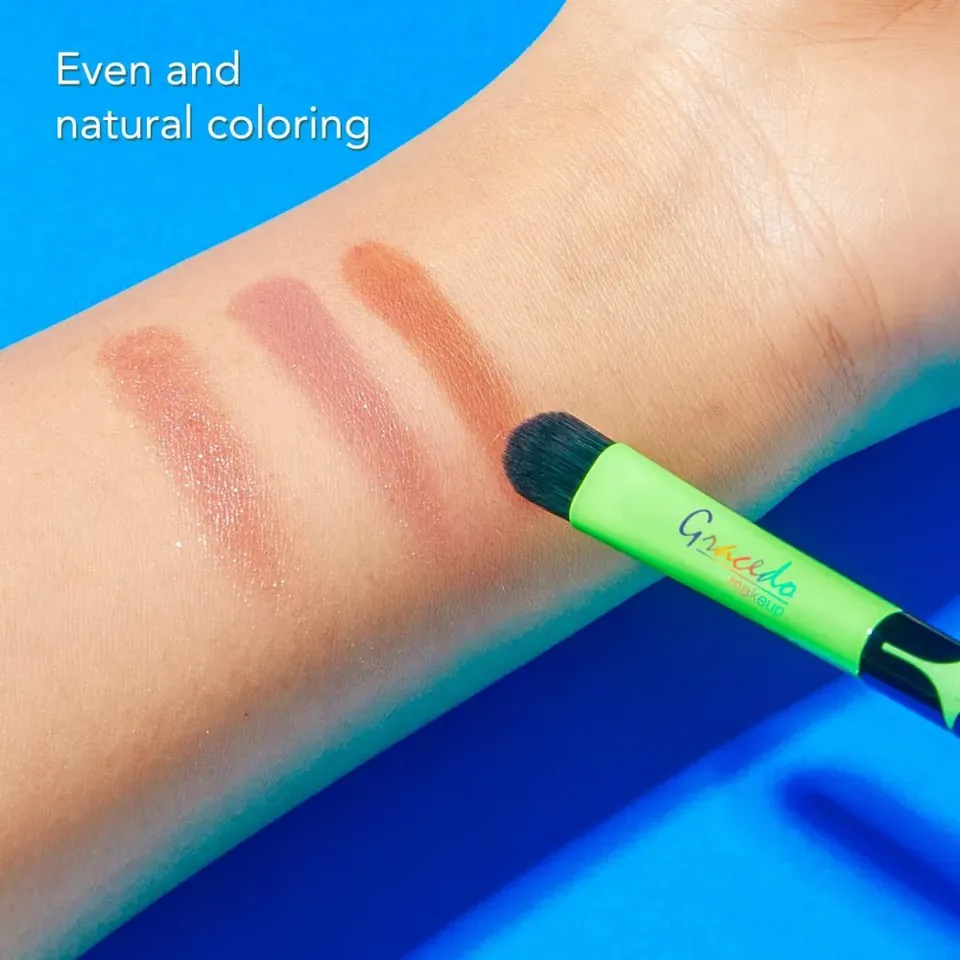
Wholesale Brush Catalogs: Turn a Broad Offer into a Focused Request
Help suppliers propose relevant products by defining roles, constraints and the information needed for comparison.