Read. Compare. Decide.
Practical guides and original editorial perspectives to help you shop with a little more clarity.
Makeup Brush Packaging: Protect the Head and Explain the Set
Brush packaging has to hold the tools in the right condition and help customers understand them. Decoration should be developed around those two jobs.
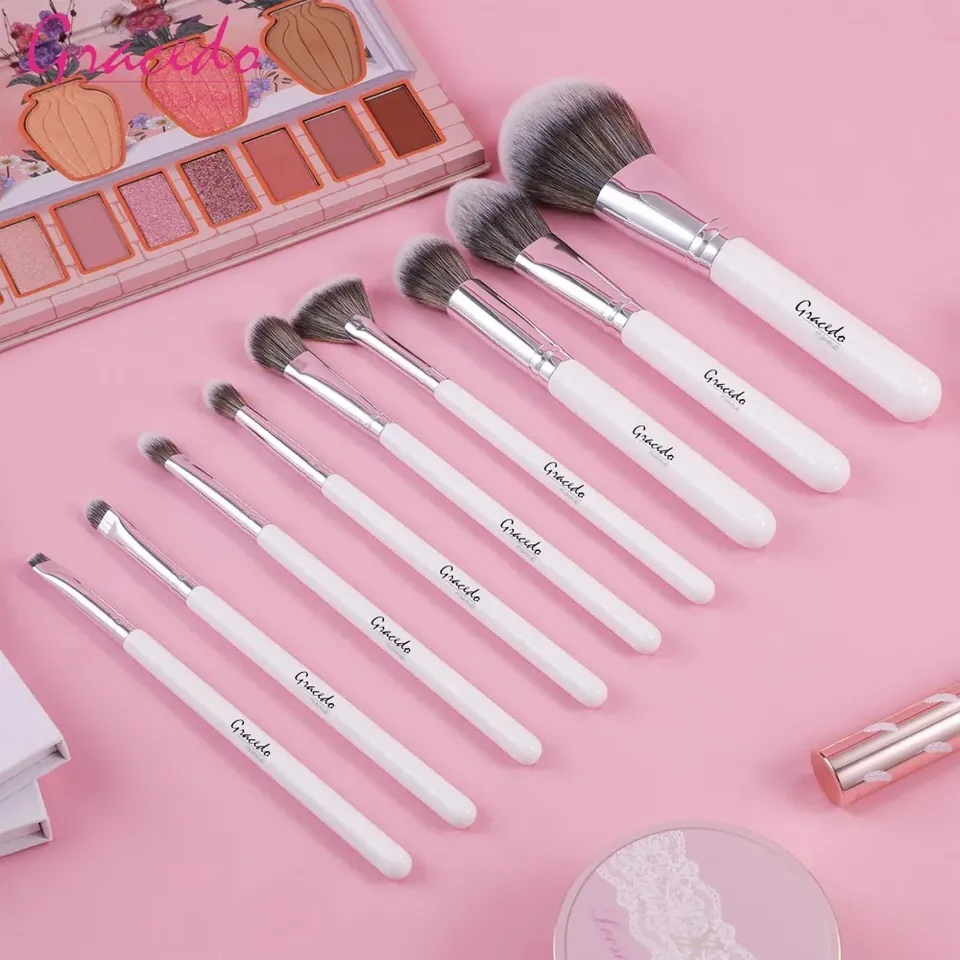
Assessing Brush Value Beyond the Quoted Unit Price
A wholesale brush decision should compare what the quotation includes and how the product is controlled. Low cost and strong marketing claims answer only part of the question.
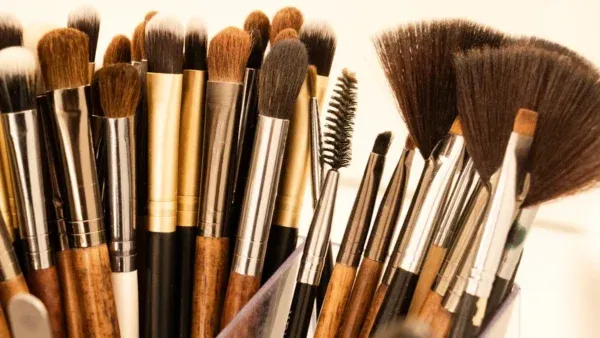
Fan Brushes: Choose the Spread for the Intended Job
A fan-shaped head spreads contact across a wide, shallow edge. That geometry can support light powder placement or artistic texture, but the two uses need separate tools.
Brow Brush Wholesale: Design an Assortment That Reorders Clearly
Build a brow tool range with identifiable models, sensible variation and consistent repeat-order information.
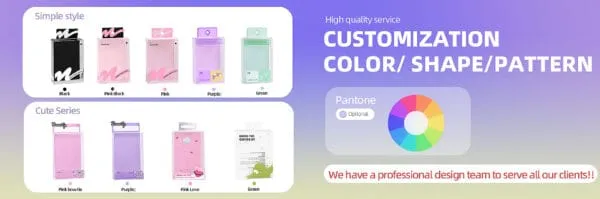
Sample-Based Beauty Tool Development: Define What May Be Copied
A reference sample can communicate useful dimensions and handling preferences. Buyers should clarify the design brief and rights before requesting a supplier to reproduce it.
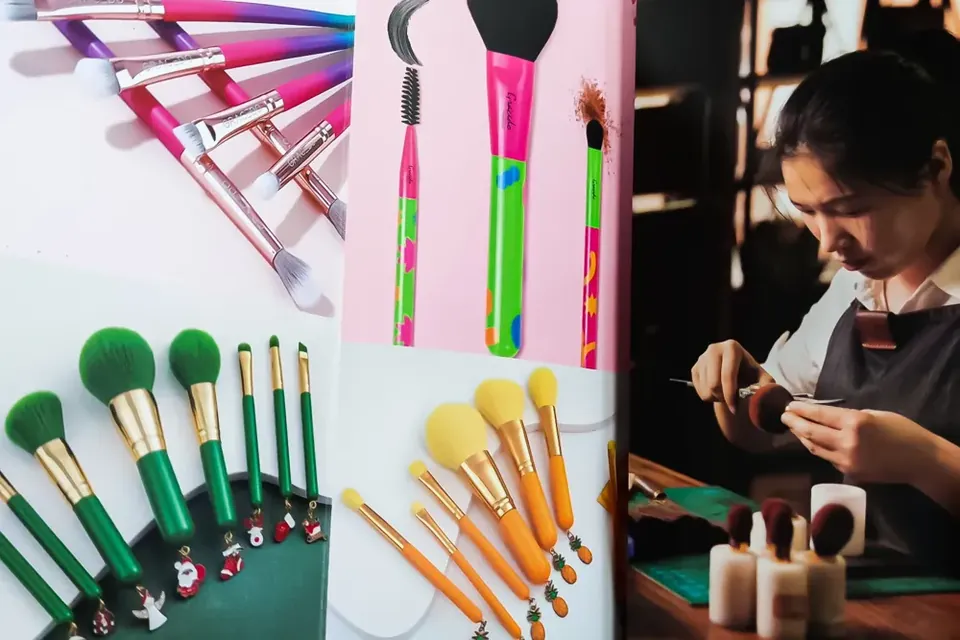
Wholesale Brush Sourcing: Build a Decision You Can Explain
A clear purchasing framework for comparing samples, supplier responses and the complete proposed order.
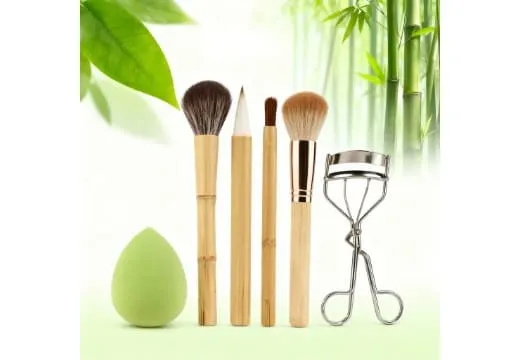
Environmental Beauty-Tool Claims: Start with a Product Evidence File
A buyer checklist for material descriptions, packaging choices and precise environmental language.
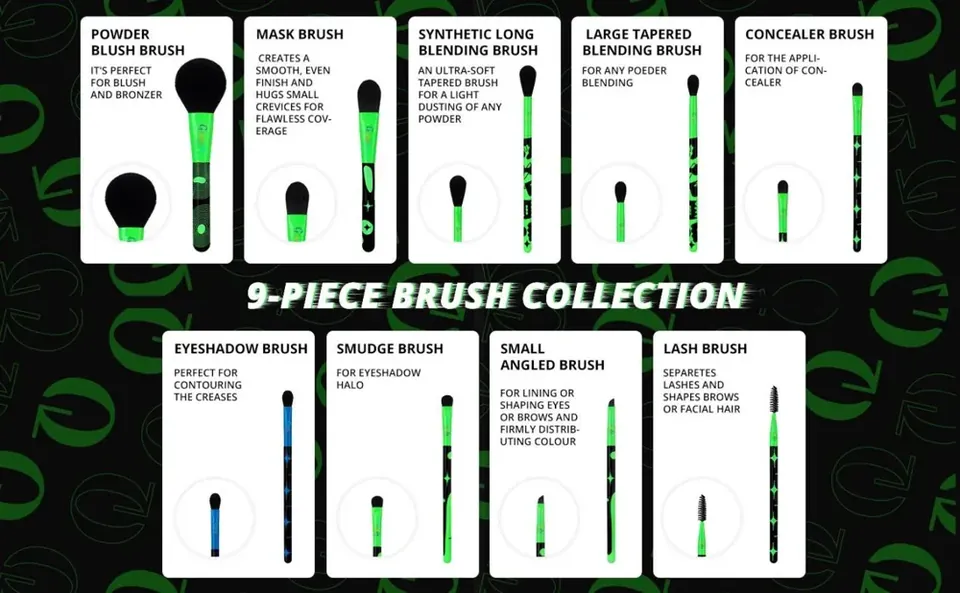
Custom Brush Set Presentation: Create a Consistent First Impression
Coordinate product layout, readable branding and care information without letting presentation replace sample review.
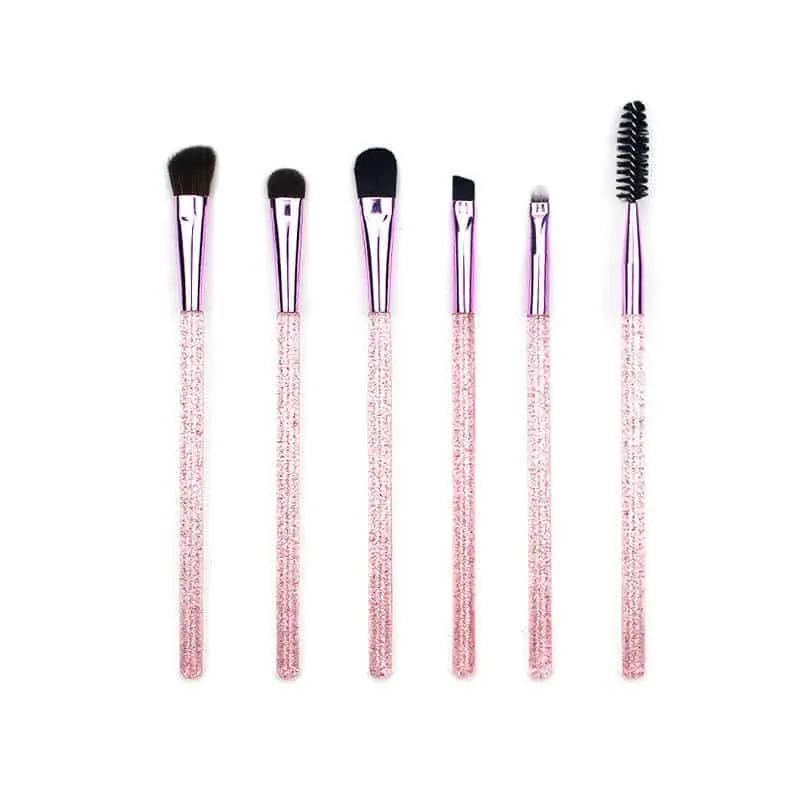
Precision Eyeshadow Brushes: Control Starts with Geometry
A small eyeshadow head needs a controlled shape and predictable response. Selecting it by size alone can overlook the factors that make detailed work manageable.
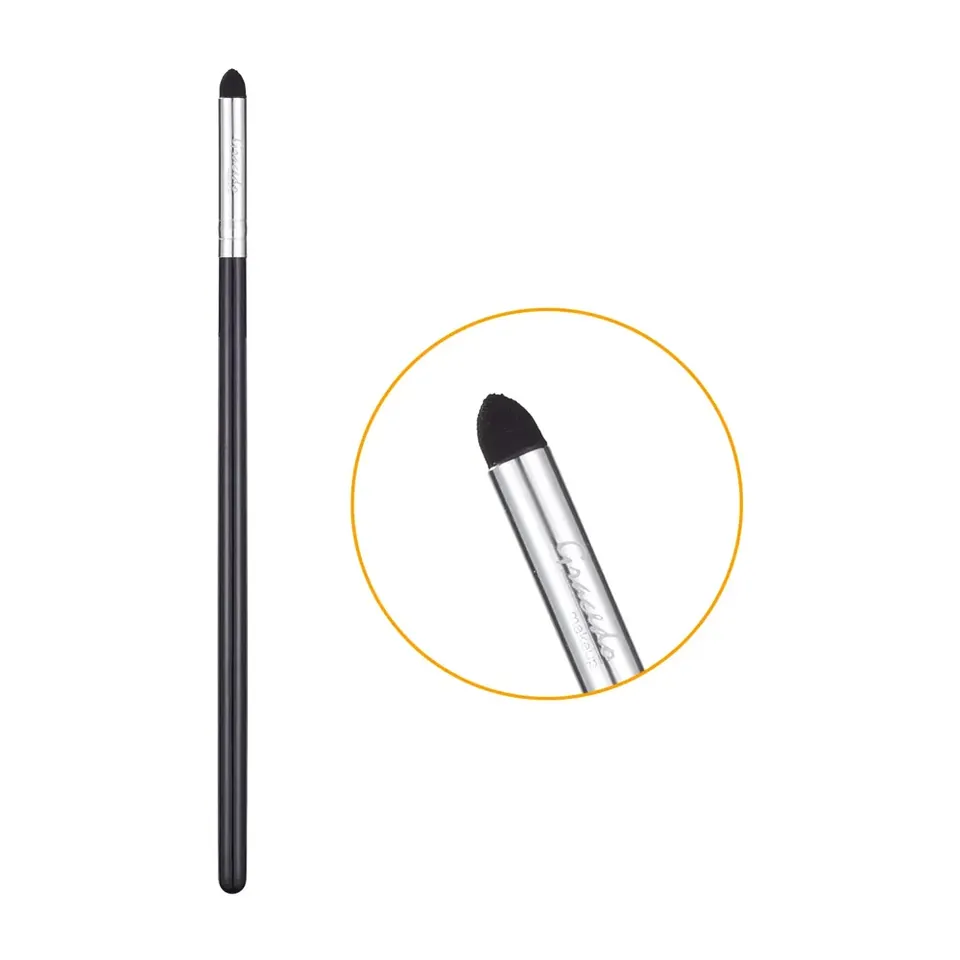
Lip Brush Assortments: Compare Portability and Application Separately
Choose lip brush designs through their working role, protective format and complete quotation assumptions.

Trade Fair Brush Meetings: Prepare a Useful Follow-Up Record
Turn an exhibition conversation into a clear sourcing brief without assuming the event confirms product or commercial claims.
Supplier Certifications: Build a Document Review Record
A supplier may present forestry, management-system and social-assessment documents together. Buyers should understand their different scopes before using them in purchasing or retail claims.
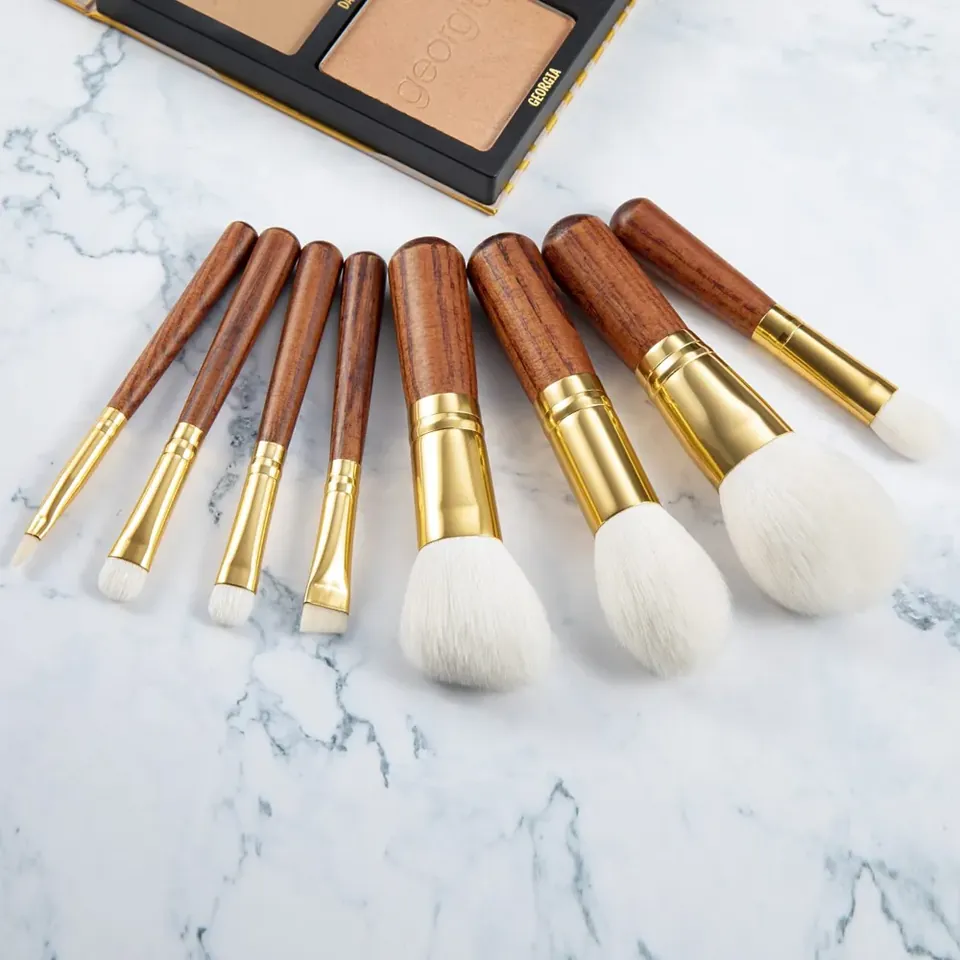
Makeup Brush Fibers: Compare Material Descriptions Carefully
A structured way to review fiber terminology, intended use and evidence behind material claims.
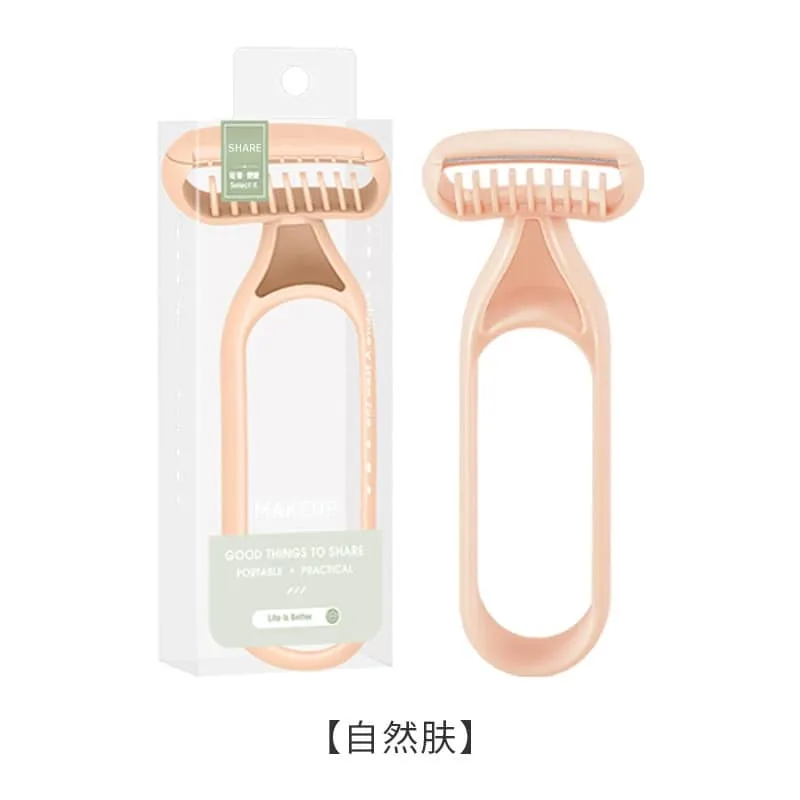
Beauty Tool Replenishment: Plan Around Care and Compatibility
Organize replacement stock using actual product guidance and identifiable parts rather than universal replacement schedules.
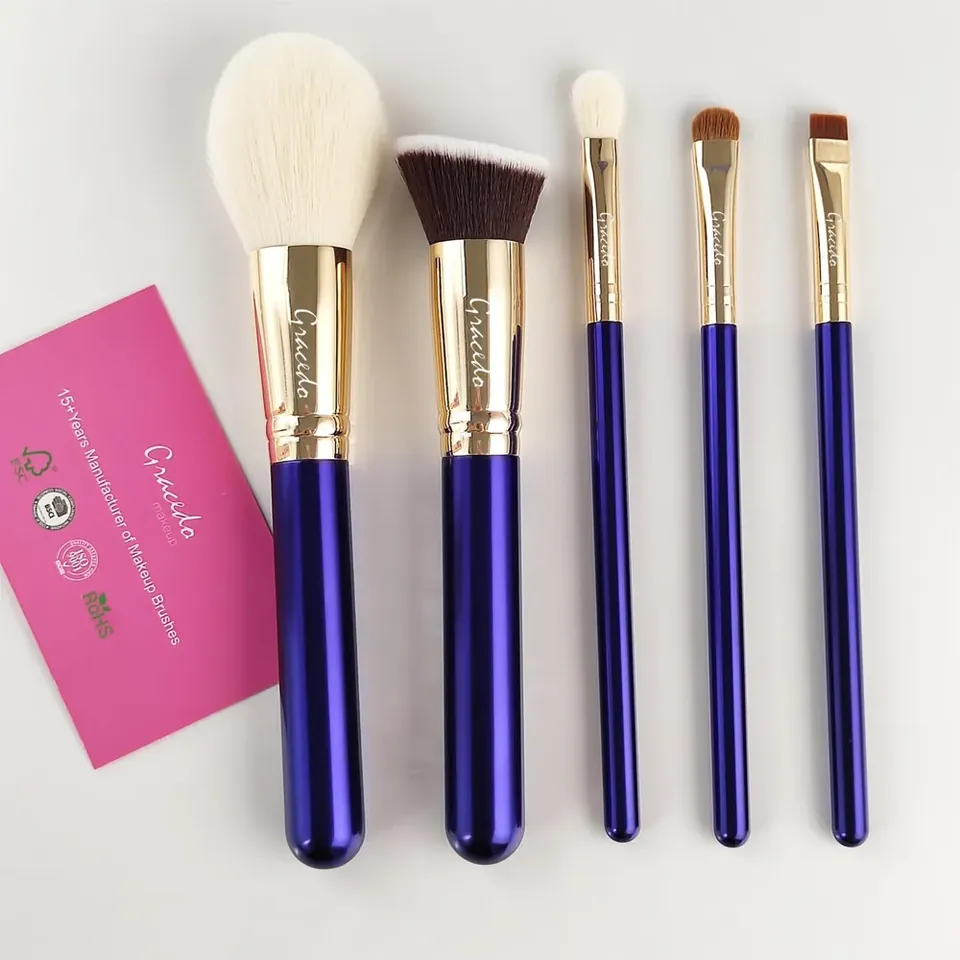
Lip Brush Launch Planning: Keep the Core Product Clear
Prepare a wholesale lip brush launch with a defined role, complete samples and accurate product information.
Custom Logo Brushes: Keep Artwork Approval Under Control
A simple approval process for logo placement, readable scale and changes to the underlying brush.

Building Trust in a Private Label Brush Range
Brand value depends on a consistent product and accurate communication. A custom logo is useful, but the supporting specification and claims matter just as much.
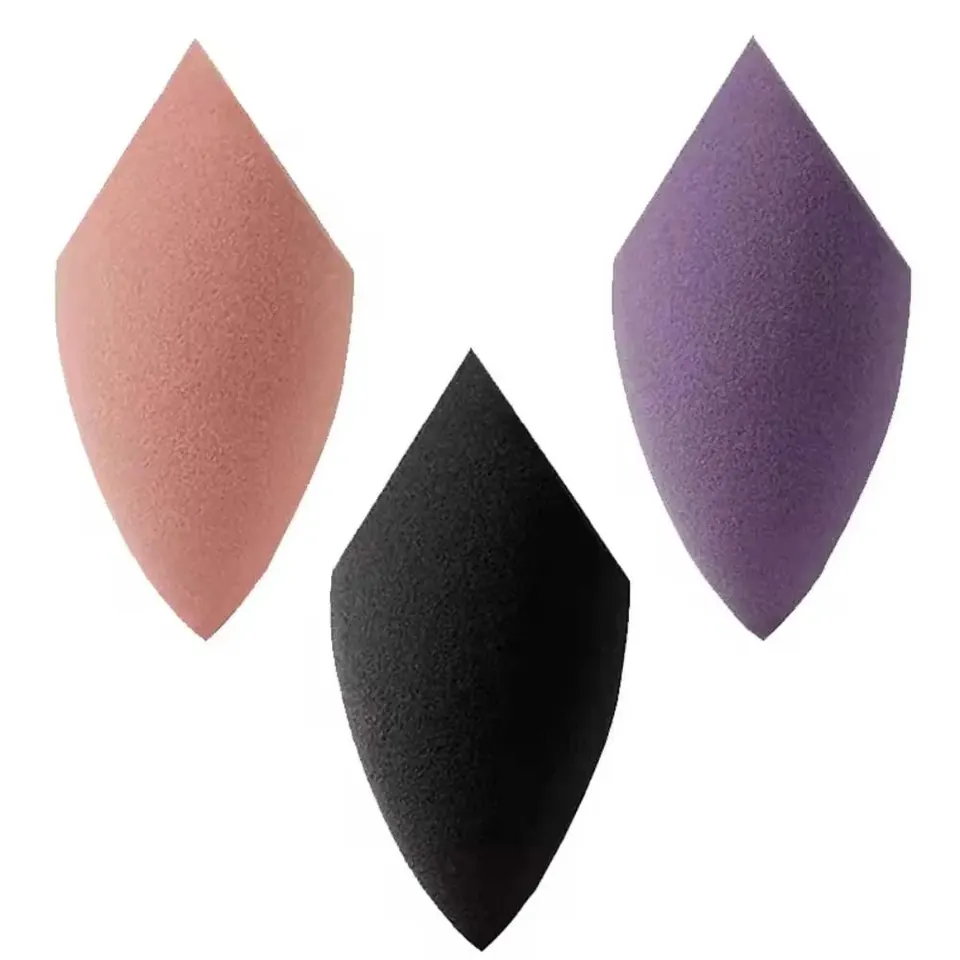
Makeup Sponge Color Consistency Across Repeat Orders
A sponge shade is part of a retail range’s identity. Consistency needs an agreed reference and a repeatable review method rather than an informal color name.
OEM Powder Brushes: Compare the Head and Retail Role
Build a powder brush brief with clear dimensions, intended formulas and complete sample references.
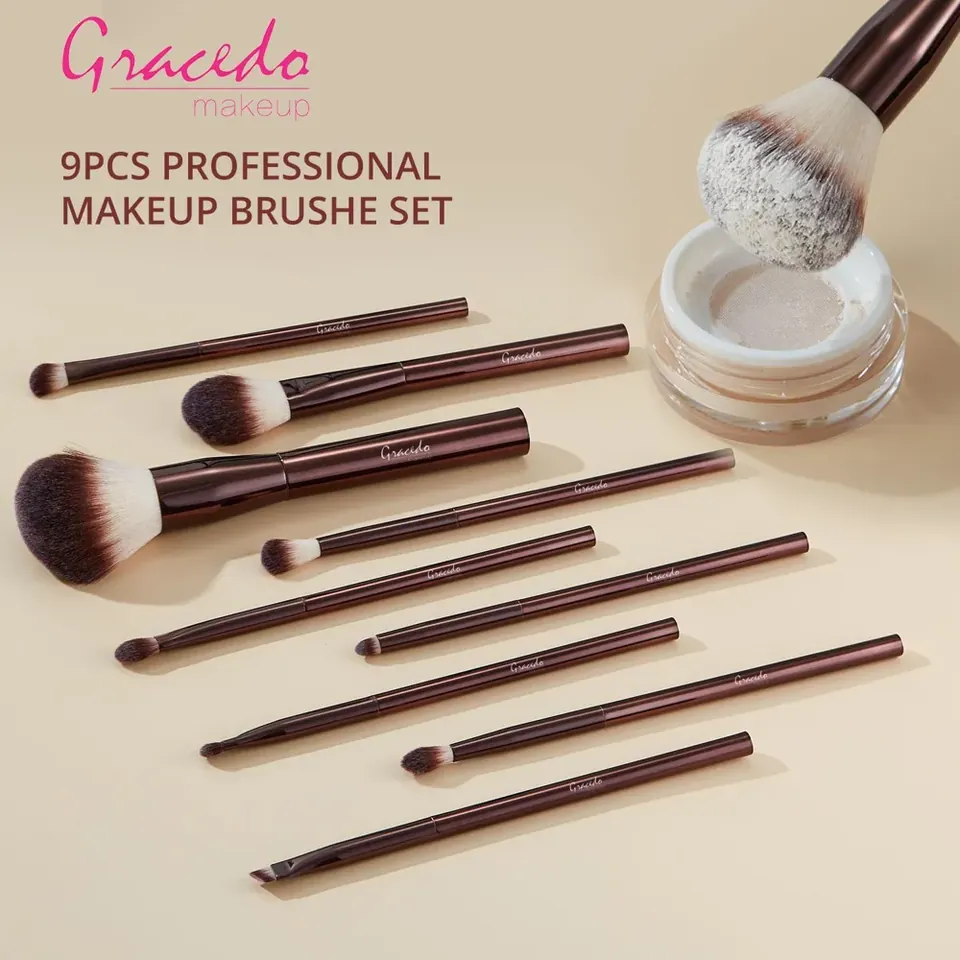
Wholesale Brush Set Contents: Keep the Count Honest and Useful
Present the components of a brush set clearly so customers and staff understand exactly what is included.
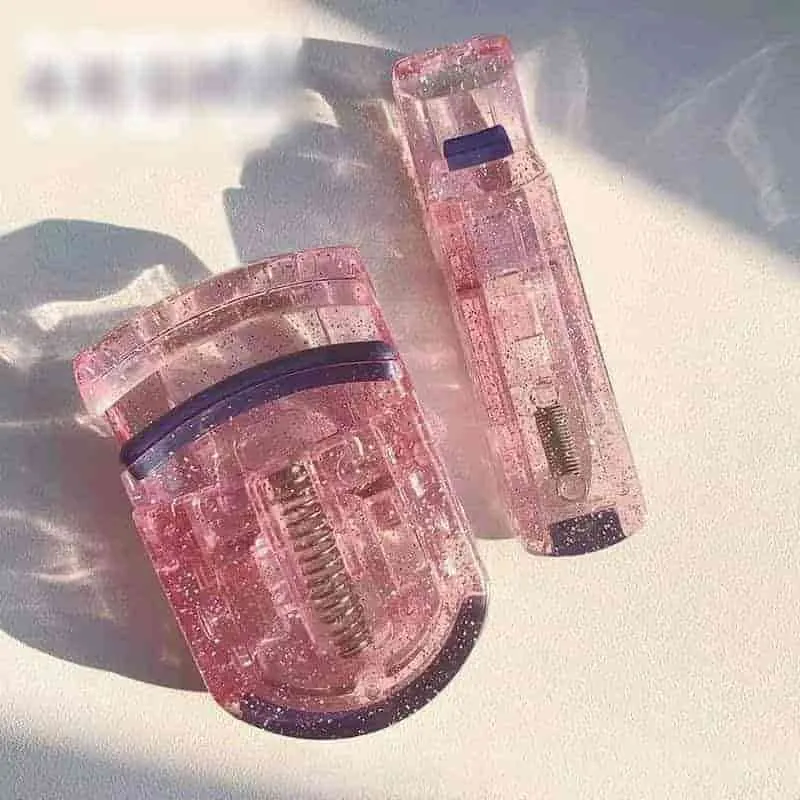
Eyelash Curler Fit: Compare Geometry Without Assuming One Size
Plan an eyelash curler range around measured designs and individual fit feedback rather than regional stereotypes.
Brow Tweezers: Define the Intended Tool Without Overclaiming Precision
Review tip configuration, handling and product information when selecting tweezers for a brow assortment.
Brush Ferrules: Inspect the Connection as an Assembly
A ferrule links the working head and handle. Its material and finish matter, but the completed connection should be evaluated rather than judged from appearance alone.
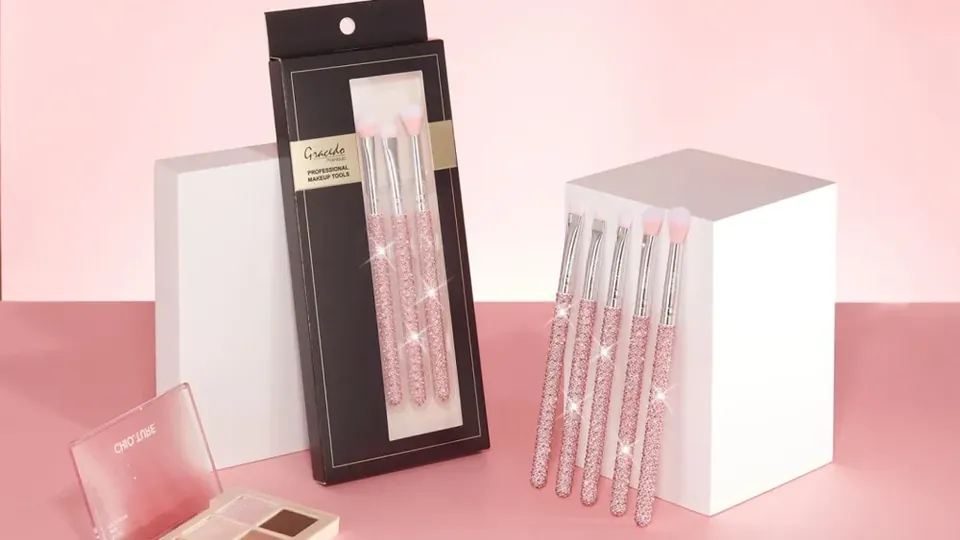
Synthetic and Natural Brush Fibers: Compare Without Blanket Claims
Build a material comparison around exact descriptions, intended tasks and evidence for the finished brushes.