Read. Compare. Decide.
Practical guides and original editorial perspectives to help you shop with a little more clarity.
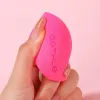
Beauty Sponge Sampling: Compare Recovery and Surface Feel
A beauty sponge can look familiar while behaving differently in use. Sample evaluation should identify the material behavior that matters to the intended routine.
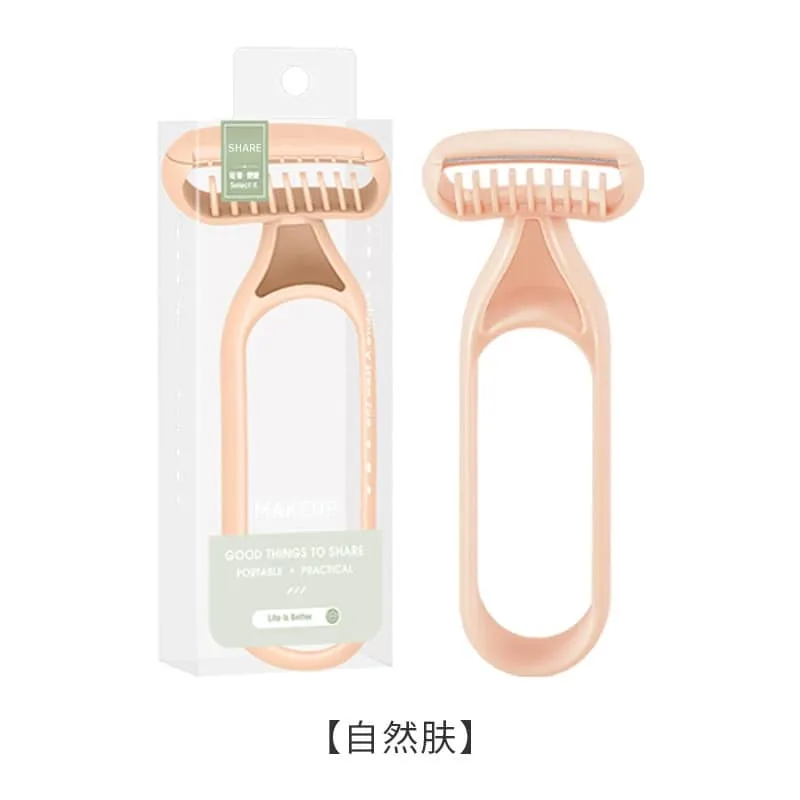
Brush Shedding Complaints: Gather Evidence Before Assigning Cause
Loose fibers can reflect different assembly or material problems. A useful investigation records the failure pattern rather than diagnosing a manufacturing process from one photograph.
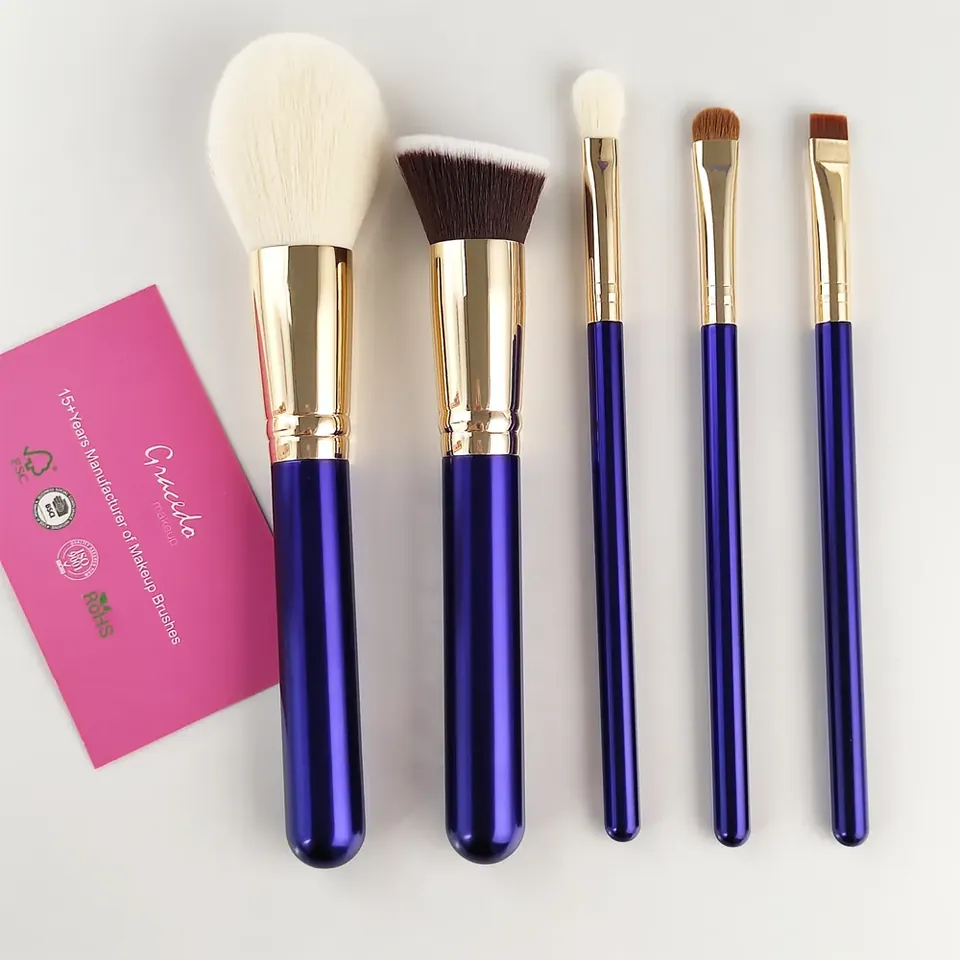
Foundation Brush Wholesale Variants: Keep the Options Distinct
Plan foundation brush choices with clear product roles and consistent stock information.
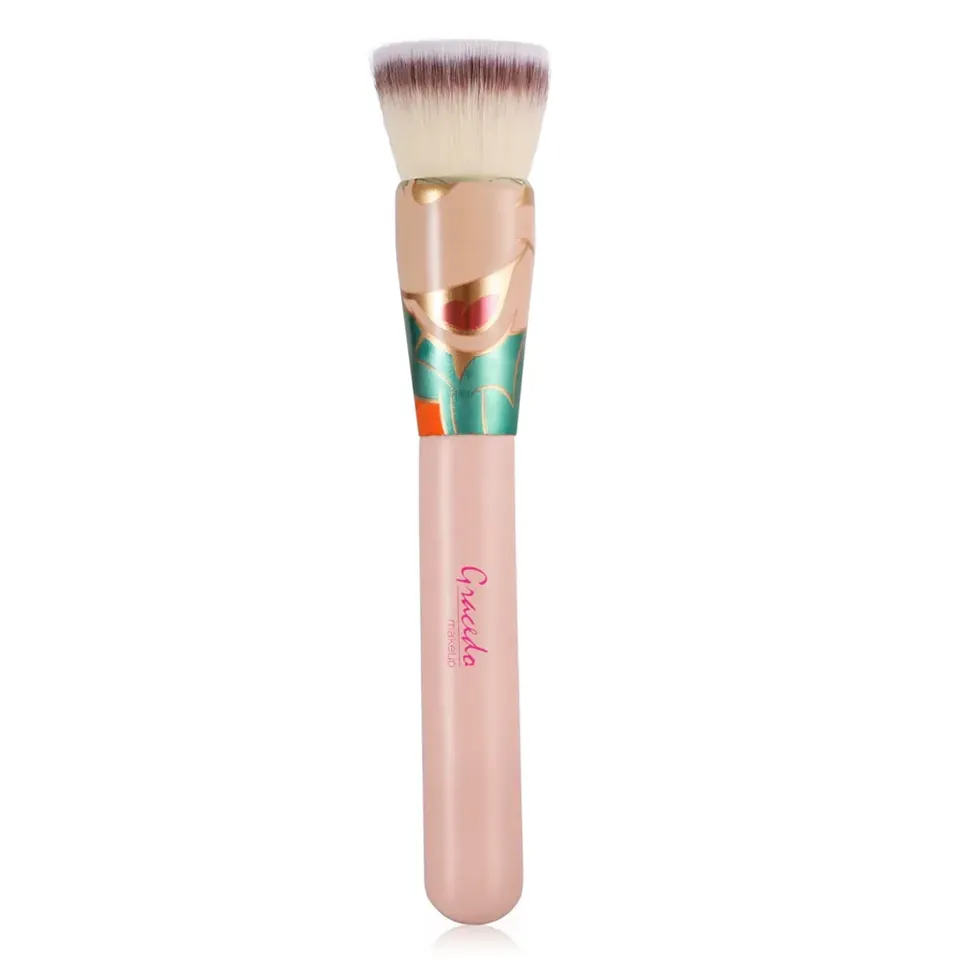
Foundation Brush Consistency: Connect Samples to Production Checks
A consistent foundation brush order needs a clear reference and recorded checks. Broad promises of complete inspection do not replace a defined specification.
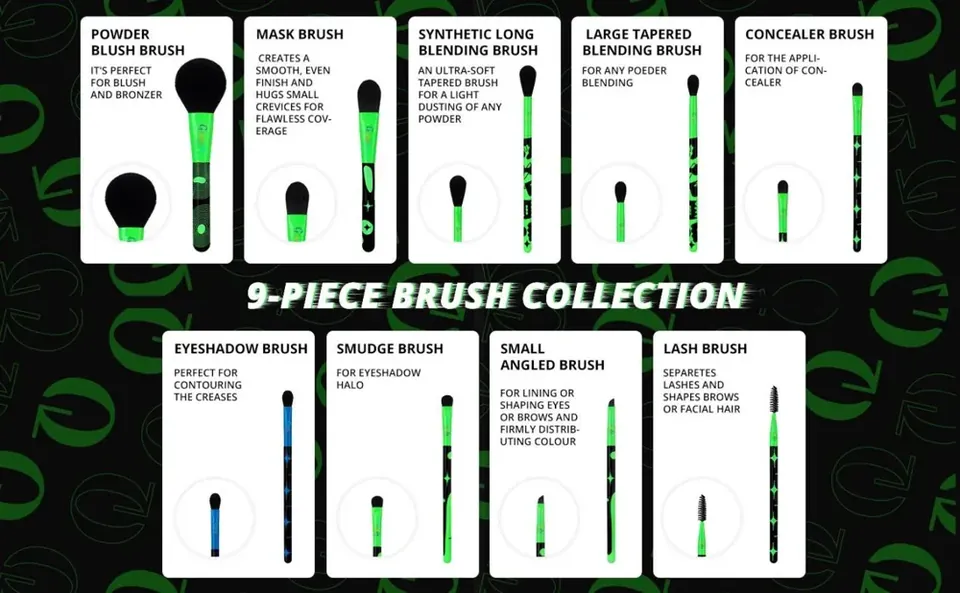
A Custom Brush Set Brief for a Coherent Brand Range
A consistent brush range needs a common design language and distinct working tools. The project brief should explain both before suppliers develop samples.

Hand-Assembled or Automated Brushes: Compare the Finished Product
Ask how the selected brush is controlled rather than assuming a production method determines quality on its own.
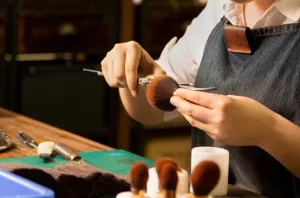
How Brush Assembly Informs a Buyer’s Inspection Plan
A makeup brush combines a working head, ferrule and handle. Understanding those parts helps buyers decide what to inspect without turning a factory overview into a cleanliness guarantee.
Eyeshadow Brush Customization: Approve Color, Logo and Packaging Separately
Keep decorative choices coordinated without allowing artwork approval to obscure the working brush specification.
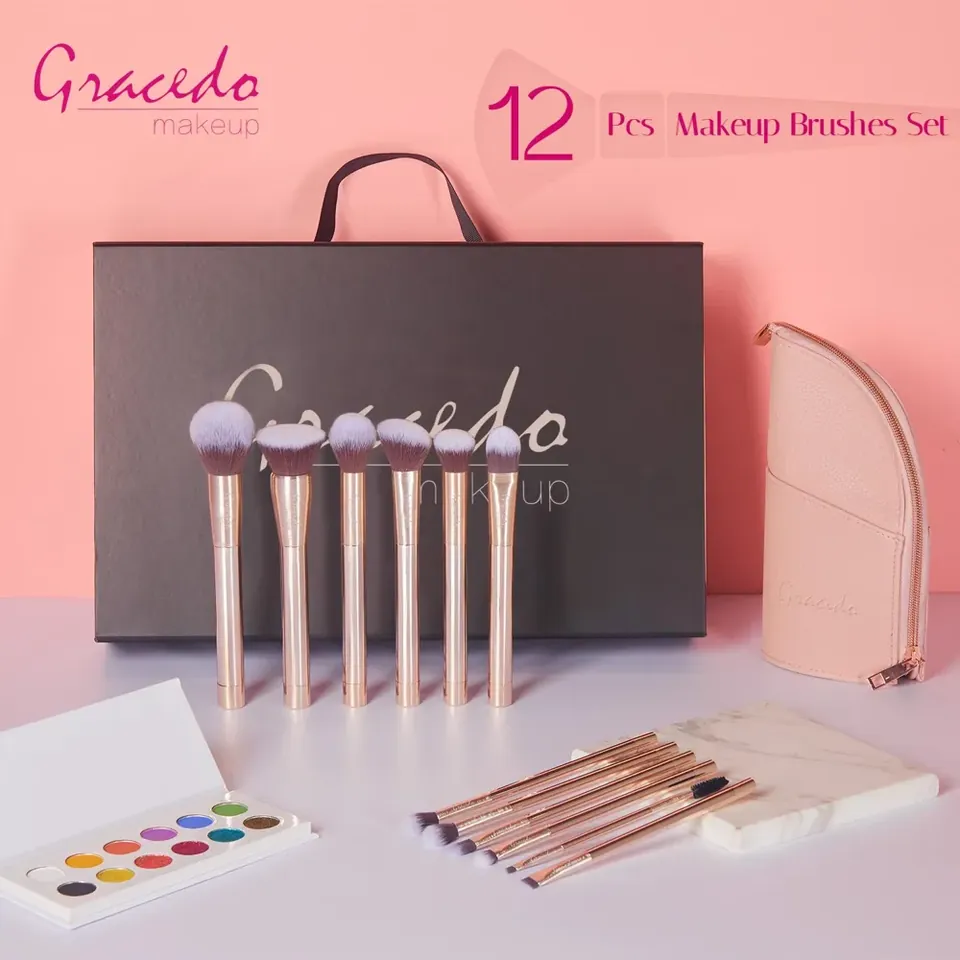
Brush Supplier Selection: Compare Answers Instead of Superlatives
Create a short, evidence-based supplier comparison that stays focused on the products you intend to buy.
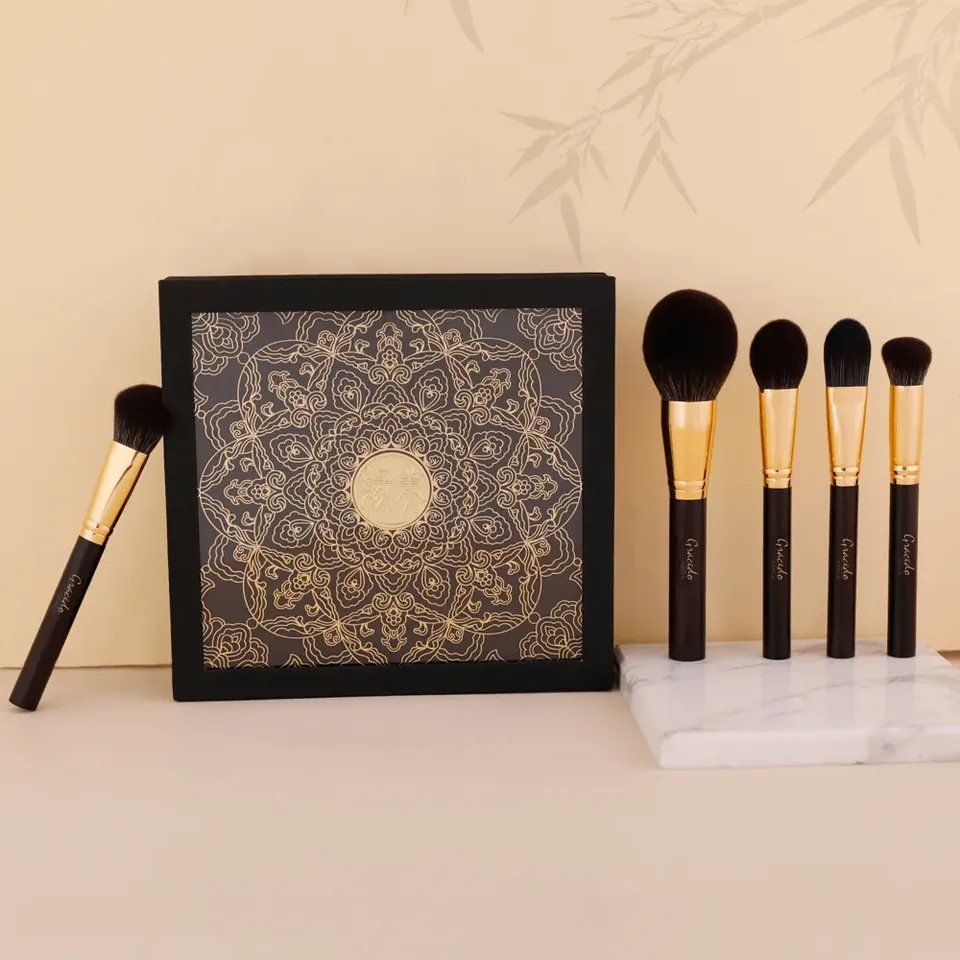
Custom Brush Revisions: Keep the Design Process Traceable
A custom brush can go through several material, shape and finish options. Clear revision records help prevent an earlier sample from becoming the accidental production reference.
Brand-Led Brush Development: Keep the Specification in Focus
Bring a custom brush concept to market with clear priorities, sample versions and coordinated artwork decisions.
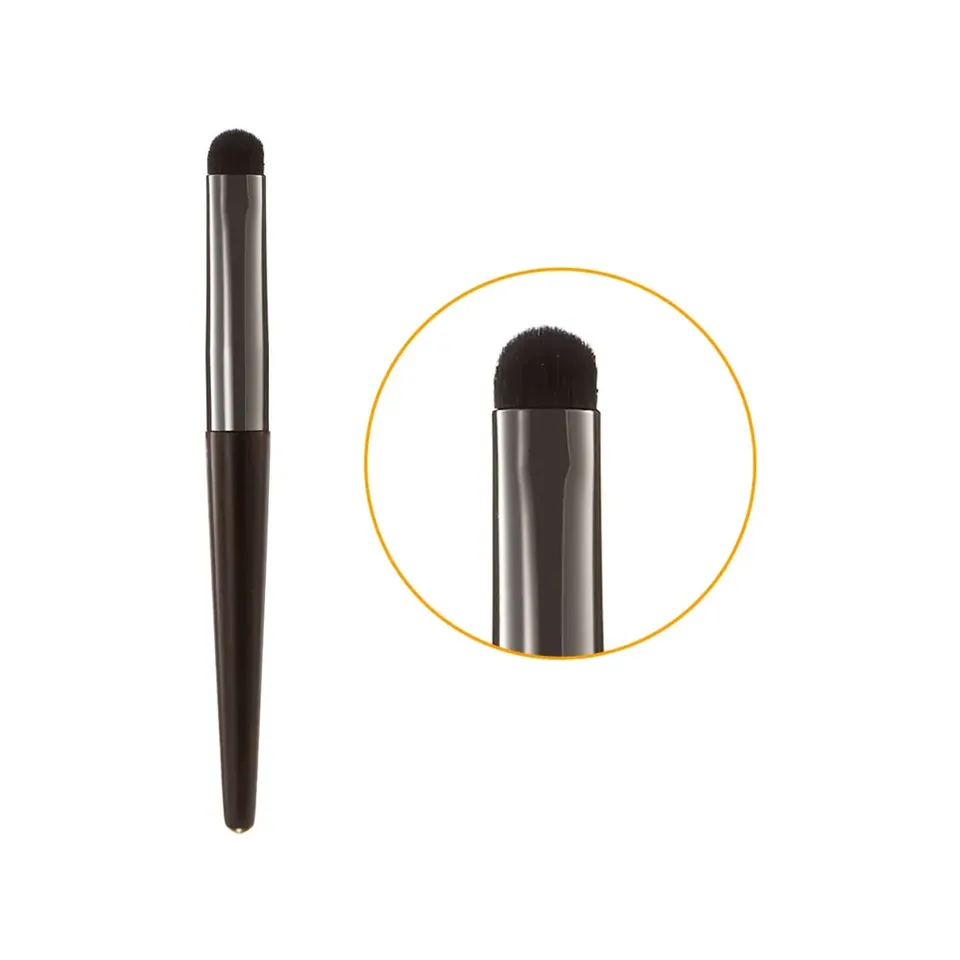
Lip Brush Wholesale Quotes: Compare the Product Behind the Price
Break down lip brush proposals by head, handle, protective format and packaging before comparing costs.
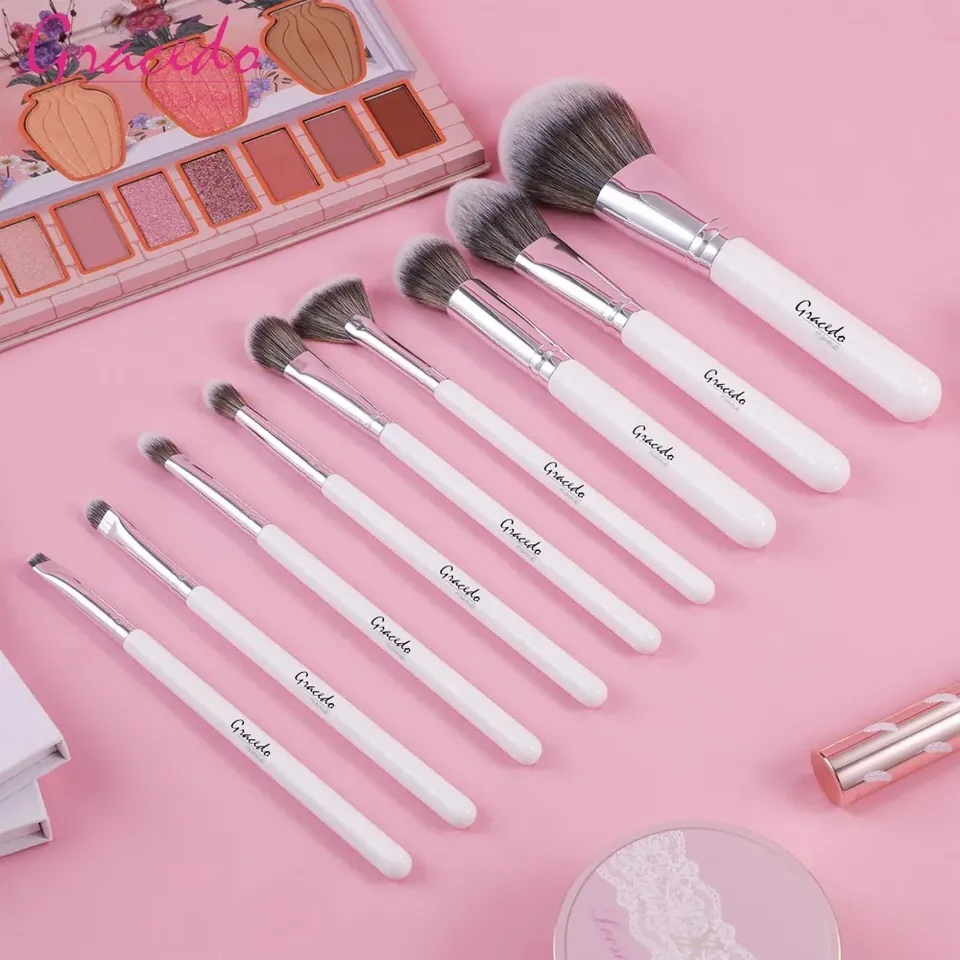
Private Label Makeup Brushes: Separate Product and Brand Decisions
Private labeling is most manageable when the brush specification and brand presentation are reviewed as connected but distinct parts of the project.
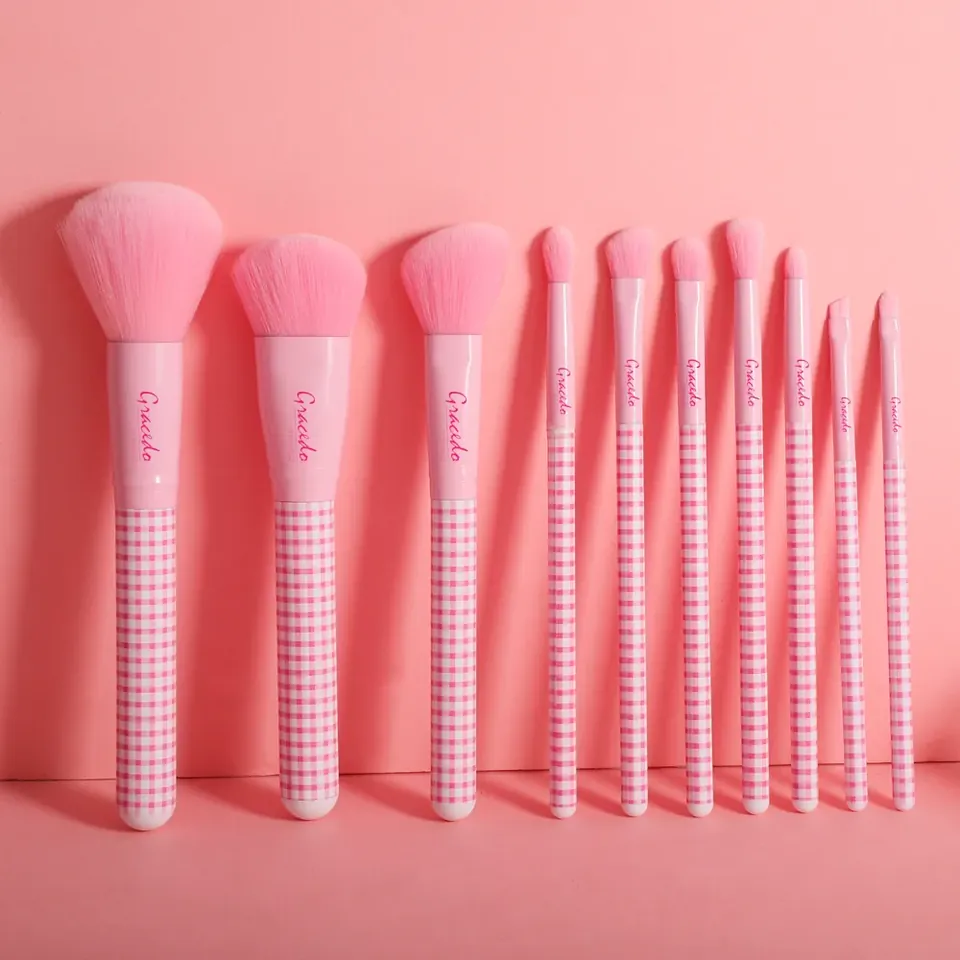
Wholesale Eye Brushes: Compare Individual Models Before Sets
A broad eye brush range can offer useful choice, but a set should be selected from evaluated tools rather than approved from a collection photograph.
Private-Label Fiber Choices: Start with Your Product Brief
Select brush fibers through exact material information and relevant sample comparisons rather than a universal ranking.

Custom Brush Craftsmanship: Ask What Changes in Your Sample
Translate craftsmanship language into sample details that your design and purchasing teams can evaluate.
Eyeshadow Brush Collections: Make Precision a Defined Role
Build an eye brush range with clear head references, useful comparisons and understandable customer guidance.
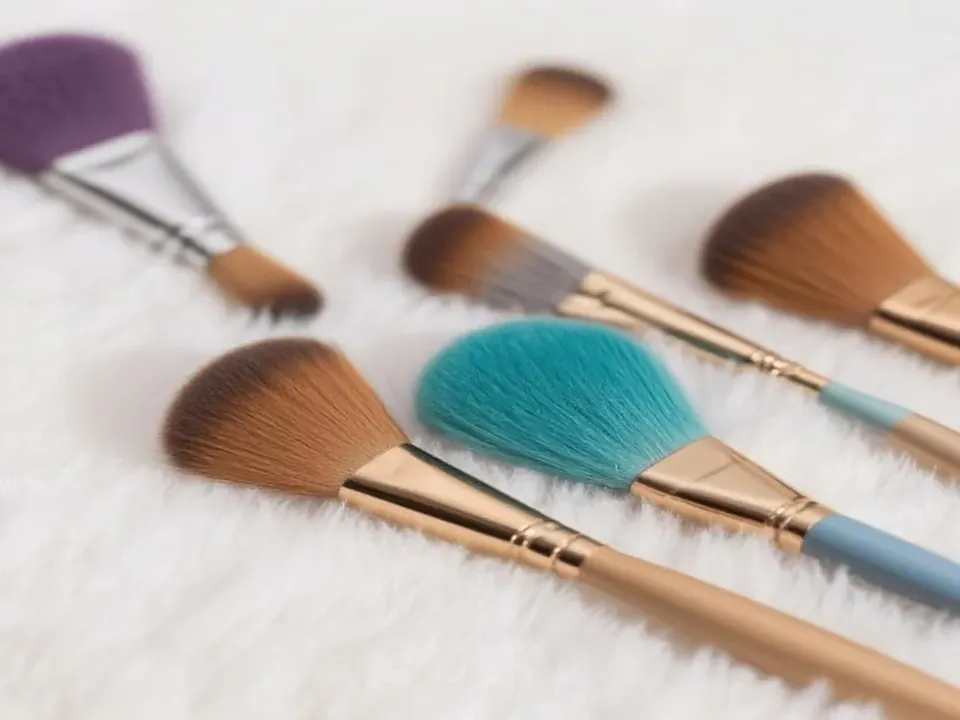
Specifying Synthetic Fiber Colors for Brushes and Lashes
Color customization needs more than a shade name. Fiber composition, lighting and the placement of color all affect how a beauty tool looks in the final pack.
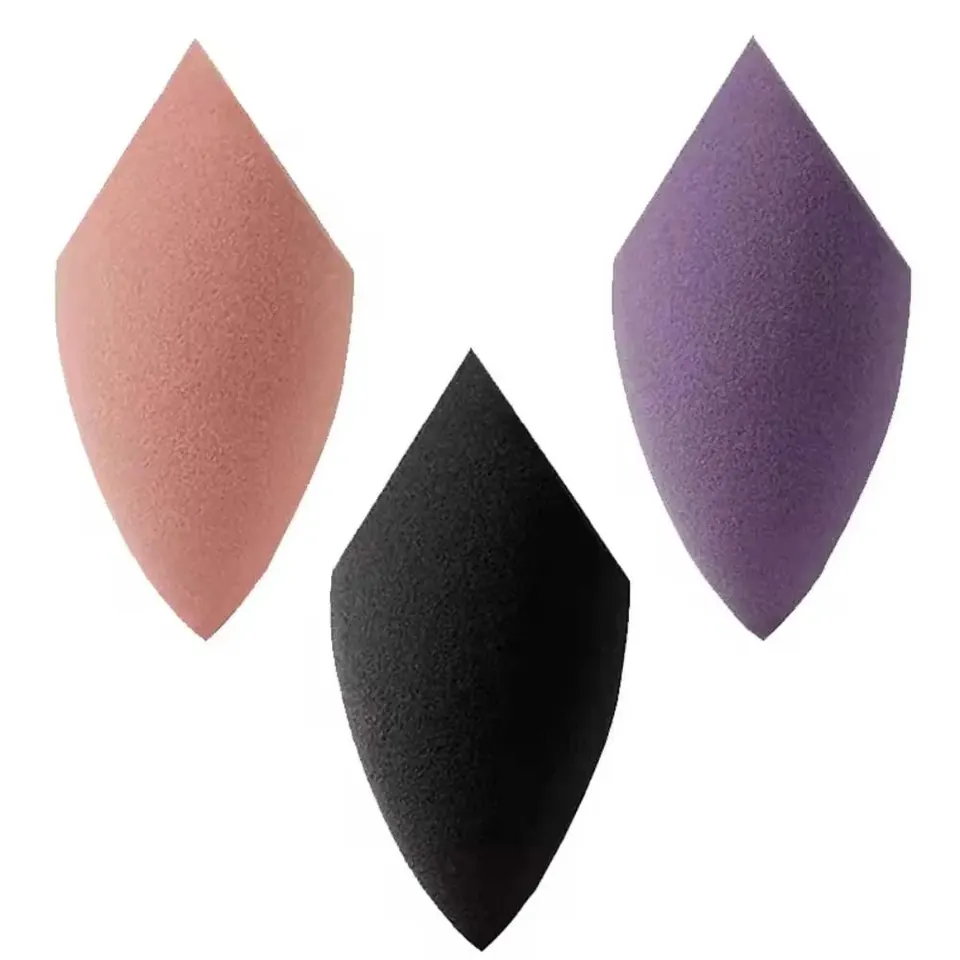
Tweezer Coating Choices: Separate Appearance from Claimed Benefits
Review finish descriptions, sample details and care requirements before choosing a coated tweezer range.
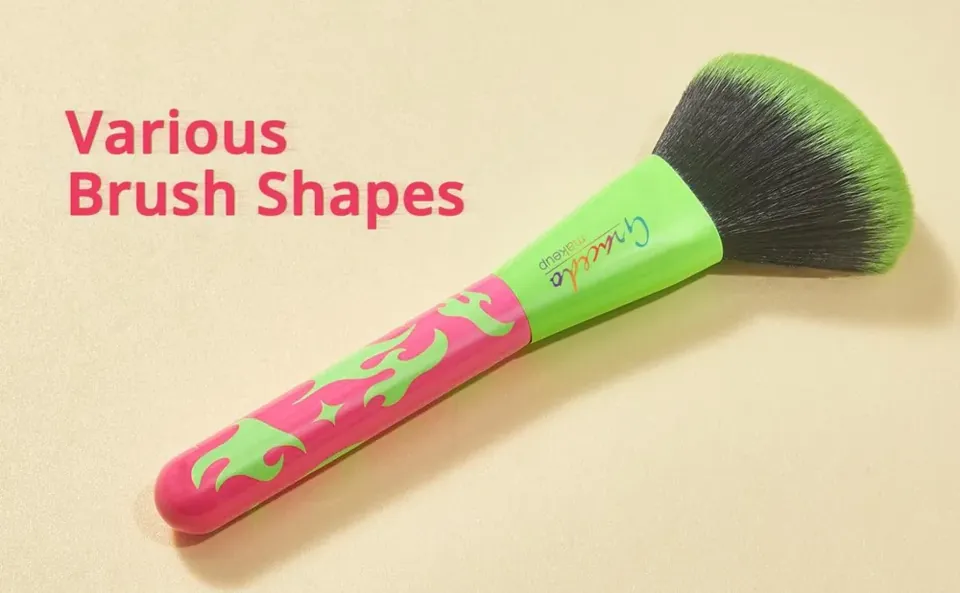
Building a Nail Art Brush Assortment Around Real Tasks
A useful nail brush range gives technicians distinct working options. Choose shapes for the techniques you intend to support before selecting handle colors.
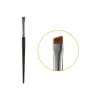
Angled Brow Brushes: What to Record During Sample Selection
Compare edge shape, handle control and retail instructions when selecting eyebrow brushes for a collection.
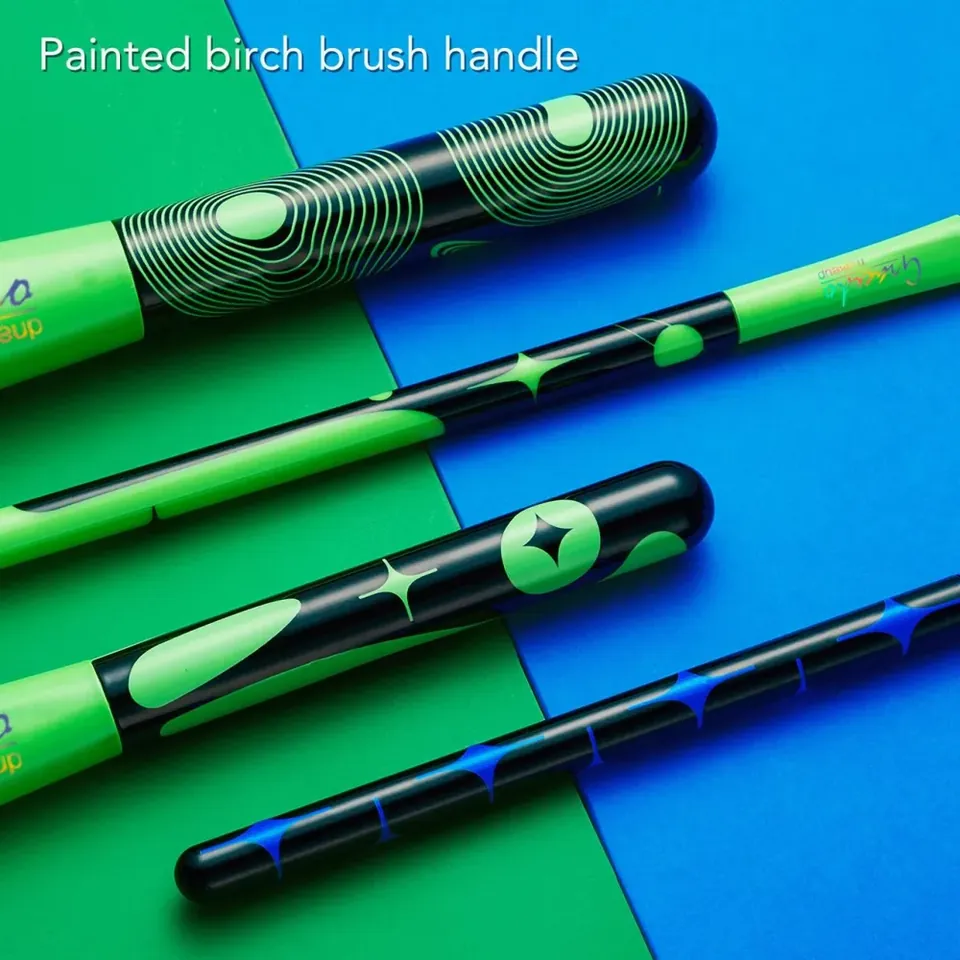
Choosing Foundation Brush Shapes for a Focused Range
Flat, curved and angled foundation heads give a buyer different design choices. Select shapes around application needs rather than treating a larger assortment as automatically better.
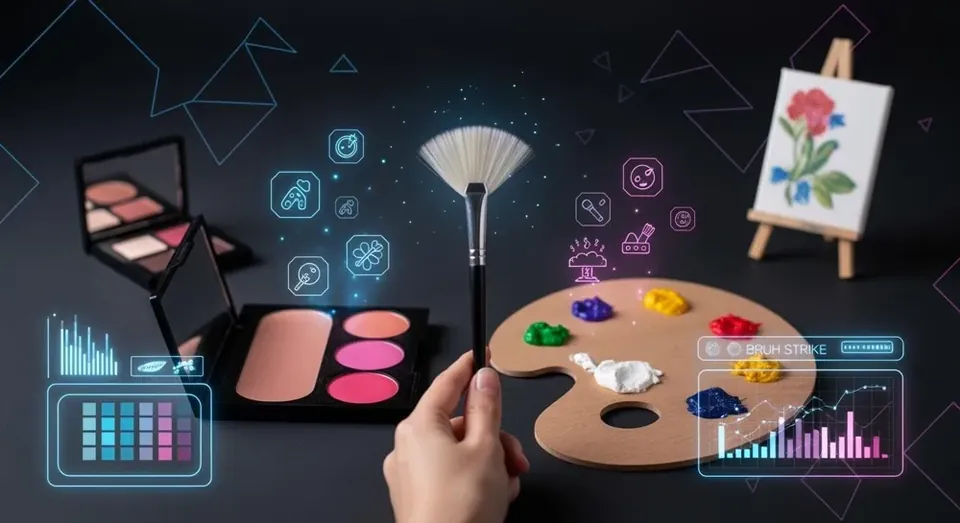
A Beauty Tool Sourcing Brief That Saves Revision Time
Many sourcing delays begin with an incomplete request. A concise technical brief helps suppliers quote the same product and makes later changes easier to control.

From Exhibition Brush Sets to a Coherent Retail Range
Use trade-show discoveries to edit a brush collection rather than expanding it without a clear purpose.